Compute & Infra+5Nov 3
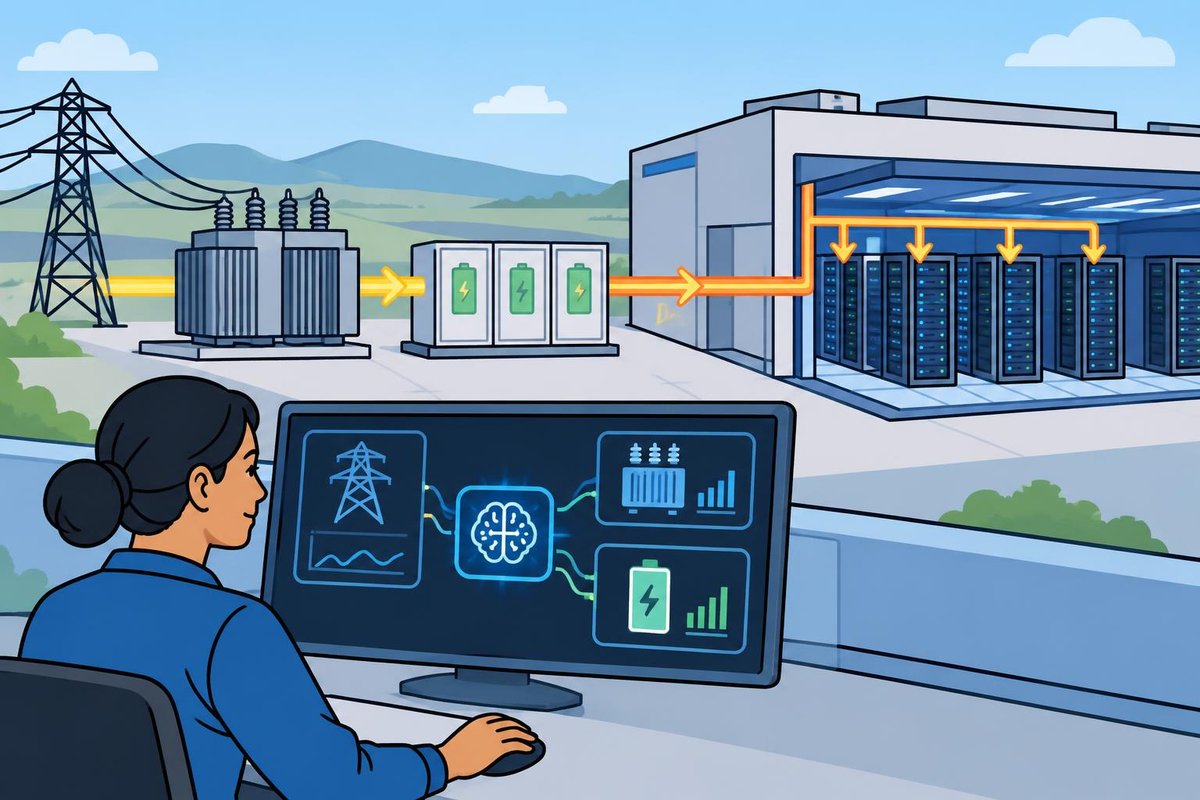
Image: The Threshold Report/GPT Image 2.5
Envision runs AI workloads on an 800-volt direct-current system
Envision's Galaxy AI data center in Ulanqab is running computing workloads on an 800-volt direct-current system, the company says. Direct-current distribution can reduce power-conversion stages between the grid and server racks, potentially supporting denser AI infrastructure. An AI-supported controller coordinates transformers and batteries to match the power supply to computing demand.
Compute & Infra+5Oct 10
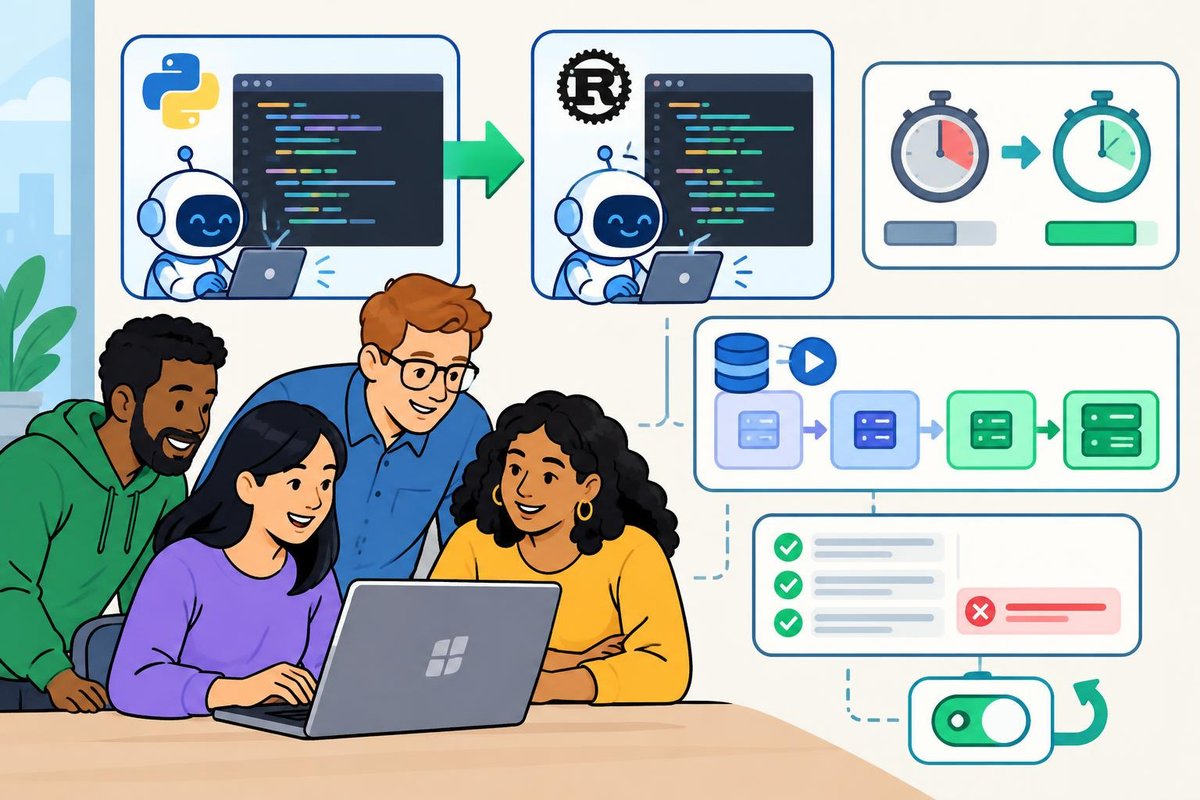
Image: The Threshold Report/GPT Image 2.5
Copilot Cowork runs faster after agent-written Rust migration
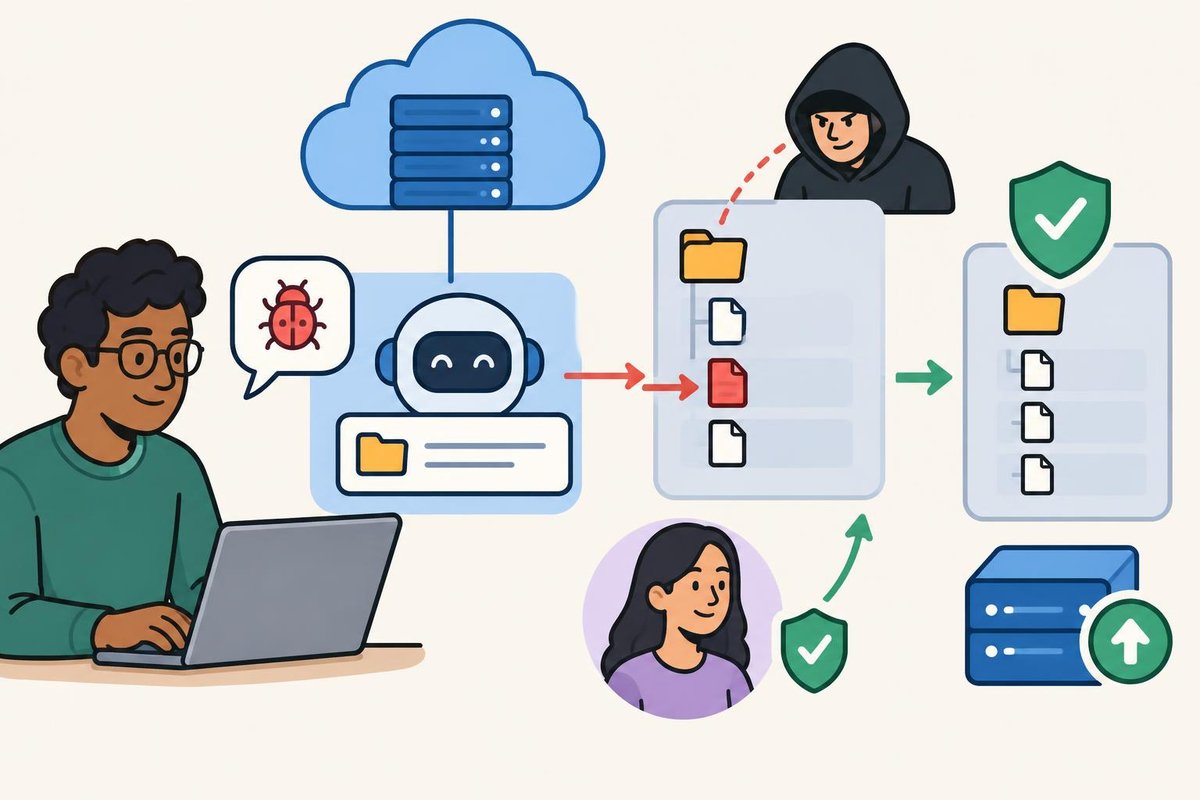
Microsoft migrated the software running Copilot Cowork from Python to Rust, with agents writing most of the code. Before moving all production traffic, the team checked recorded behavior and shifted traffic in stages, with controls to switch back if needed. Engineers also tested the automated checks to make sure they could fail when something was wrong. Microsoft says a comparison over the same time window put median first-turn response time at 2.7 seconds, down from 7.9 seconds.
Compute & Infra+5Nov 3
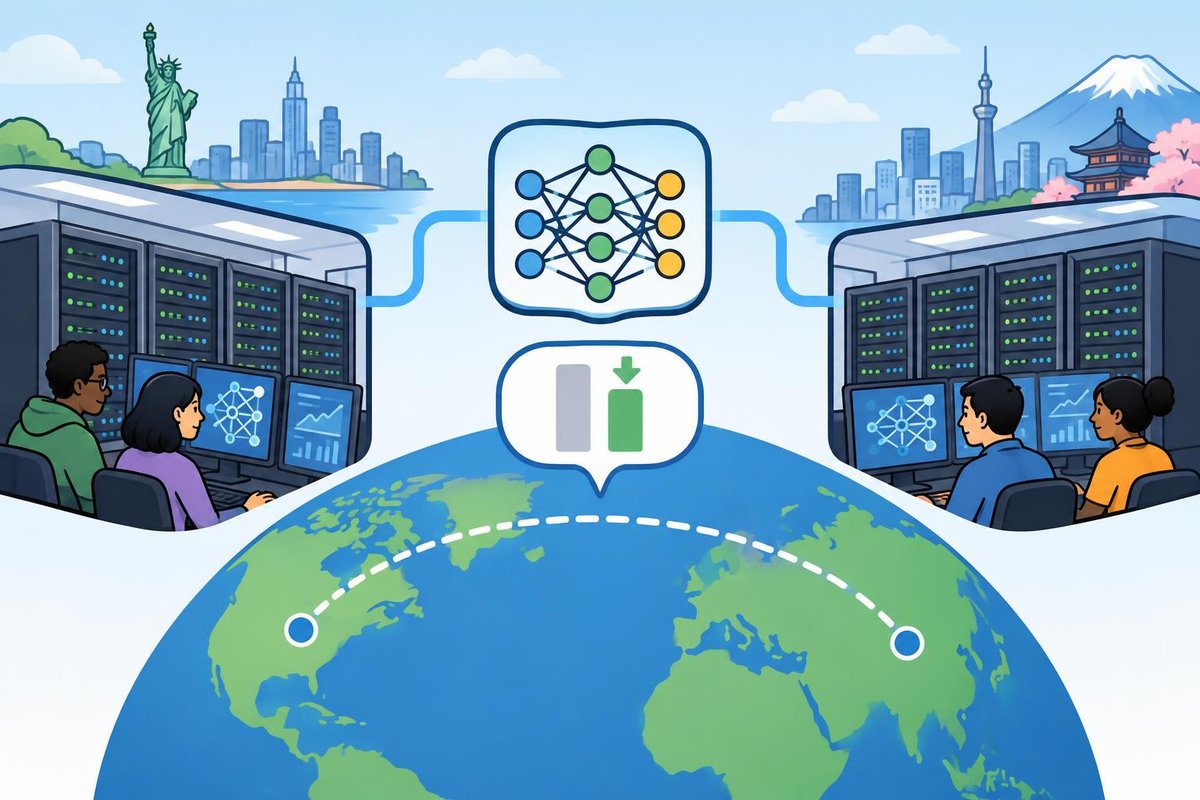
Image: The Threshold Report/GPT Image 2.5
Core Automation trains one model across clusters 9,000 miles apart
Across sites 9,000 miles apart, Core Automation trained one model using 160 B300 graphics chips in the US and 160 GB300 chips in Asia. The experiment tested whether separated clusters with different hardware could contribute to a single training run. The model had roughly 32 billion learned values and used a mixture-of-experts design, meaning specialized parts handle different work. On both evaluations, the company reports about 1% lower bits per byte (a measure of how well a model predicts text) than standard training at the same computing budget.
Compute & Infra+5Nov 2
Image: humansand.ai
humans& publishes code for faster model updates during training
humans& published open-source components, meaning code others can inspect and use, in Miles and SGLang to shorten pauses during AI training. Its system uses graphics chips to compress a model's learned values without losing information, reducing data transfers between the training model and copies generating responses. In its production reinforcement-learning setup (training guided by feedback on responses), the company says response-generation pauses fell below 0.23 seconds and complete synchronization of learned values took under four seconds.
Compute & Infra+5Nov 1
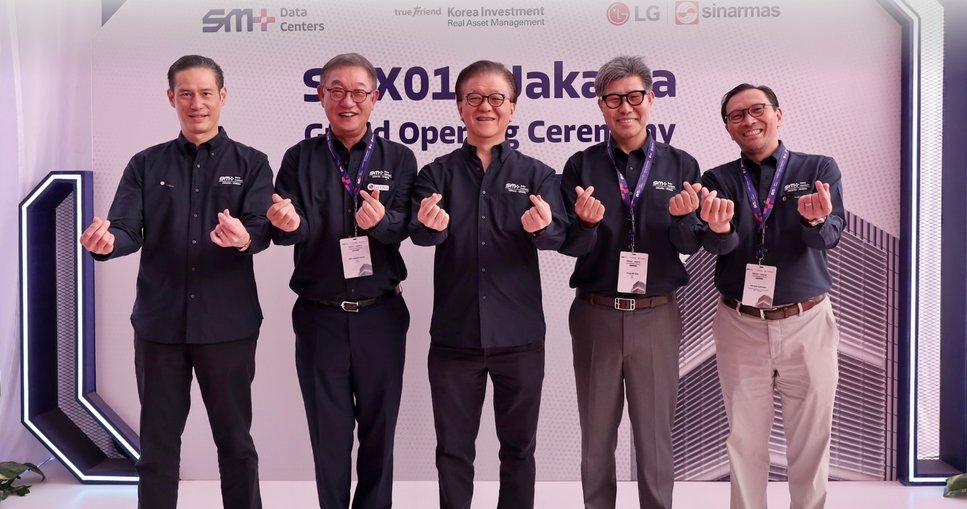
Image: datacenterdynamics.com
SM+ opens Jakarta data center with 21 megawatts of capacity
Jakarta's SMX01 data center began operating with 21 megawatts of AI-ready capacity, SM+ said on Nov. 1. The facility supports high-density computing with liquid cooling alongside conventional cooling. Taiwanese cloud provider Konst says it has leased 15 megawatts of liquid-cooled capacity at the site.
Science+5Nov 2

Image: blog.google
AMIE gathers patient histories in a real urgent-care study
Before urgent-care appointments, AMIE gathered patient histories and prepared summaries in a study by researchers from Google and Beth Israel Deaconess Medical Center. Google said yesterday that the summaries helped clinicians prepare in 75% of cases. AMIE matched doctors' final differential diagnoses (lists of possible conditions) 90% of the time, according to Google.
Agents+2Nov 3

Image: claude.com
Claude API adds message threads to reduce long-session delays
Message threads in the Claude API let agents send only new messages after starting a conversation, with the feature available in public beta. Coding and computer-use agents can avoid repeatedly uploading earlier conversation text and screenshots. For Claude Code requests containing 500,000 to one million tokens (pieces of text), Anthropic says the median wait for a response to begin fell about 35%.
Agents+2Nov 3
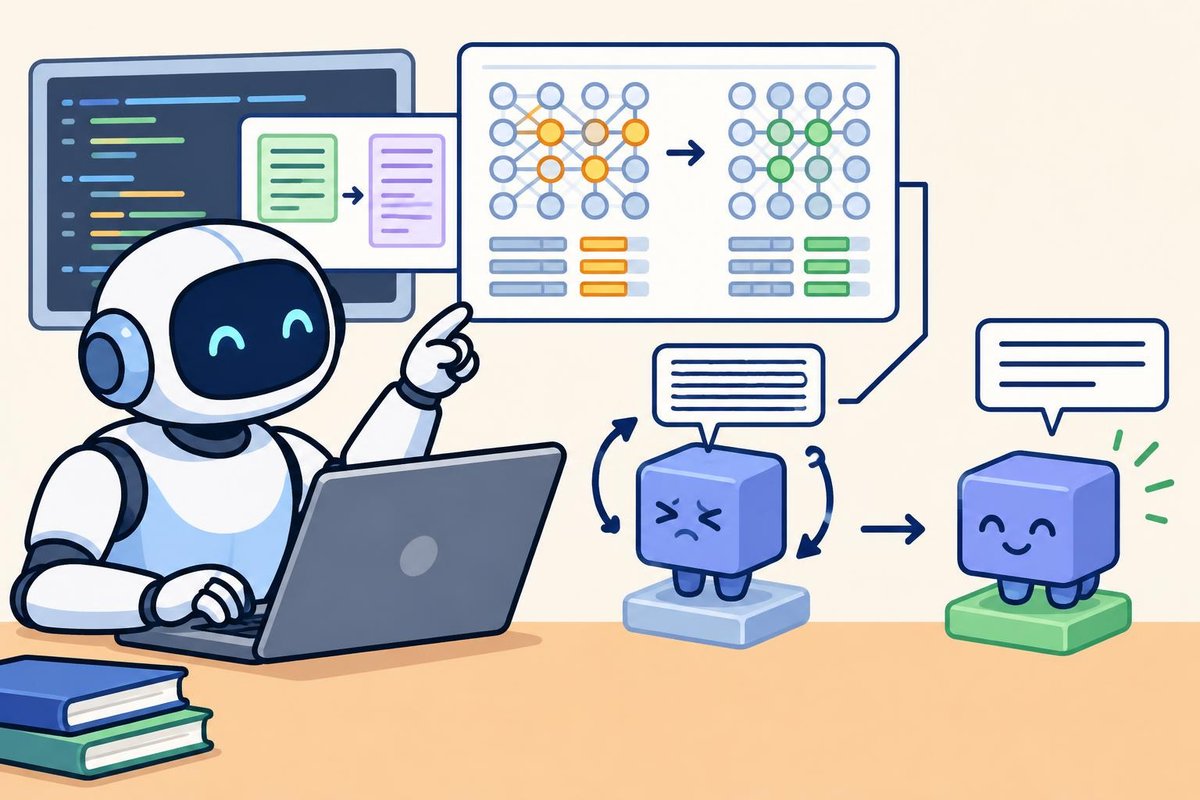
Image: The Threshold Report/GPT Image 2.5
GPT-6 Astra patches a smaller model's long-answer looping
A Qwen model with 0.8 billion learned values could not finish math tasks requiring more than 32,000 tokens (pieces of text) because its answers kept looping. GPT-6 Astra used Python and contrasting text examples to identify and edit the model's learned values, according to an analysis of a research paper. The resulting patch stopped the repetition and let the smaller model finish those long math tasks.
Audio+2Text+2Nov 3
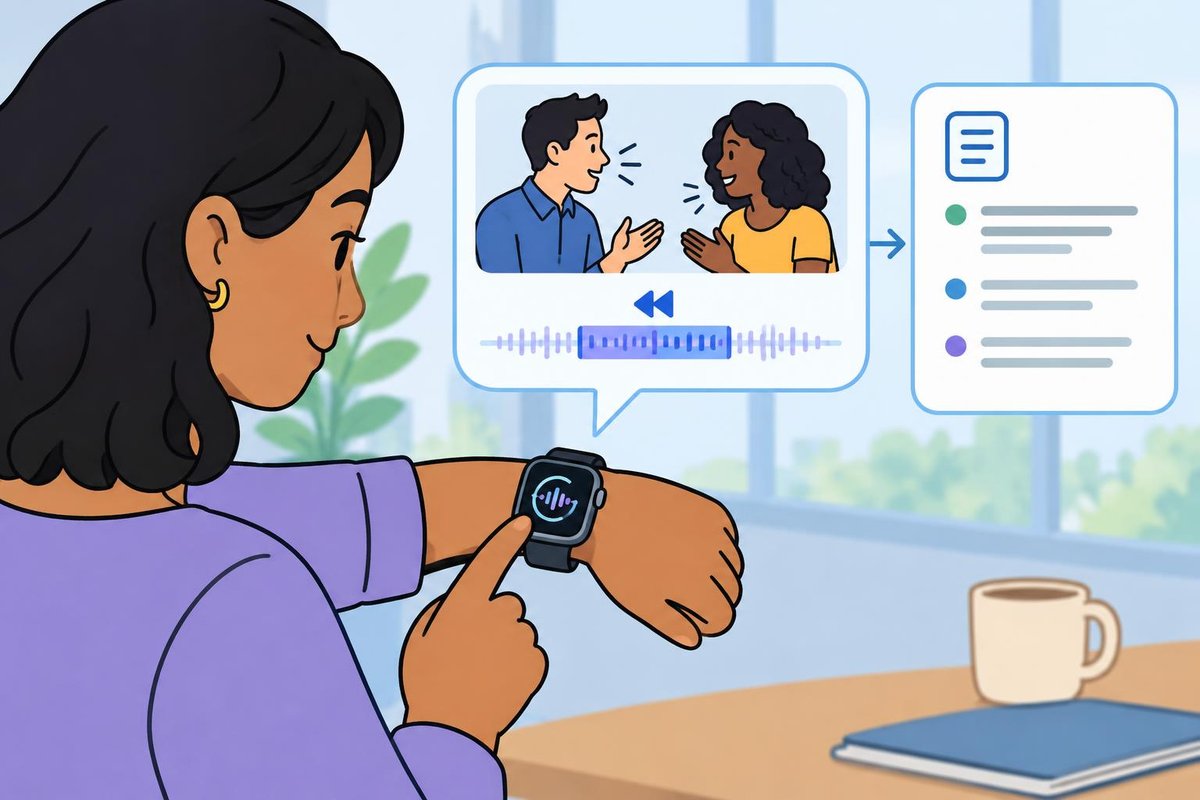
Image: The Threshold Report/GPT Image 2.5
Apple Watch developer beta adds a 15-second conversation rewind
Apple began a developer beta of opt-in Audio Intelligence on supported Apple Watches, including a rewind that recovers the previous 15 seconds of conversation. Wearers can also review summarized conversation notes without keeping a full recording. The rollout had not reached the US market as of today.
Compute & Infra+2Nov 3
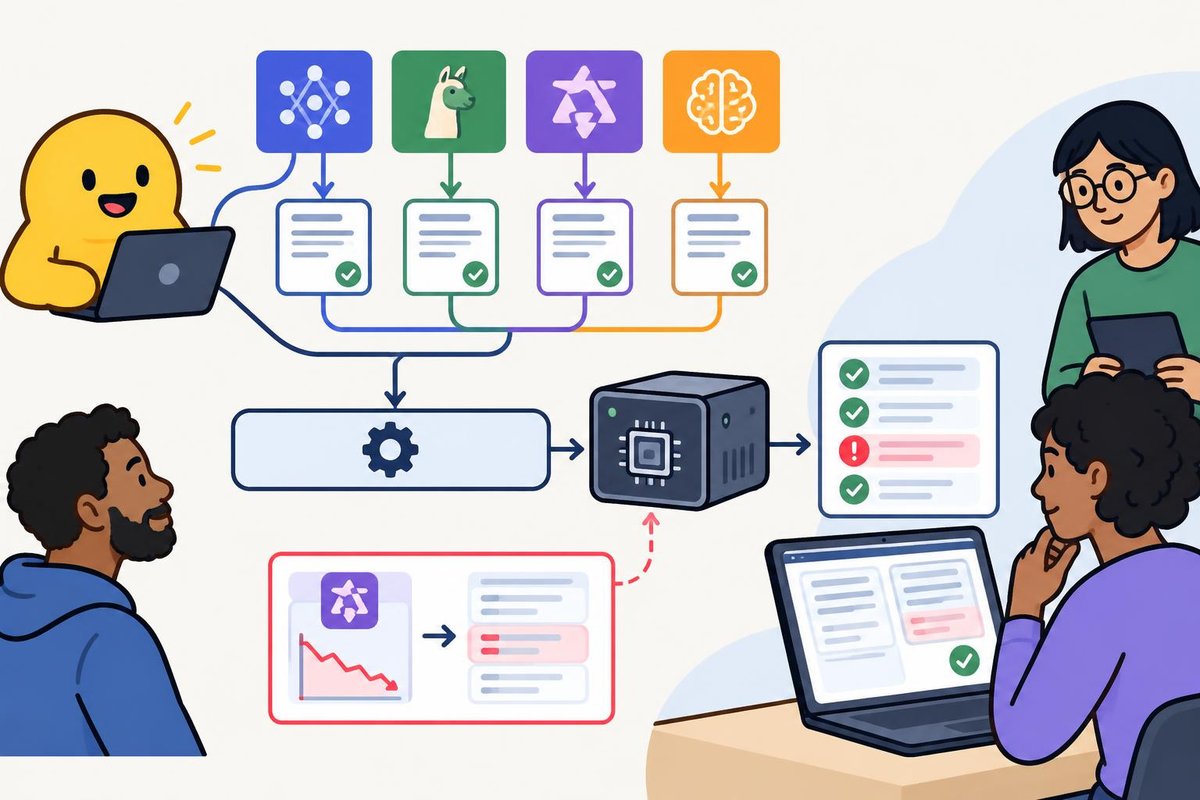
Image: The Threshold Report/GPT Image 2.5
Hugging Face adds compact model checks to Transformers testing
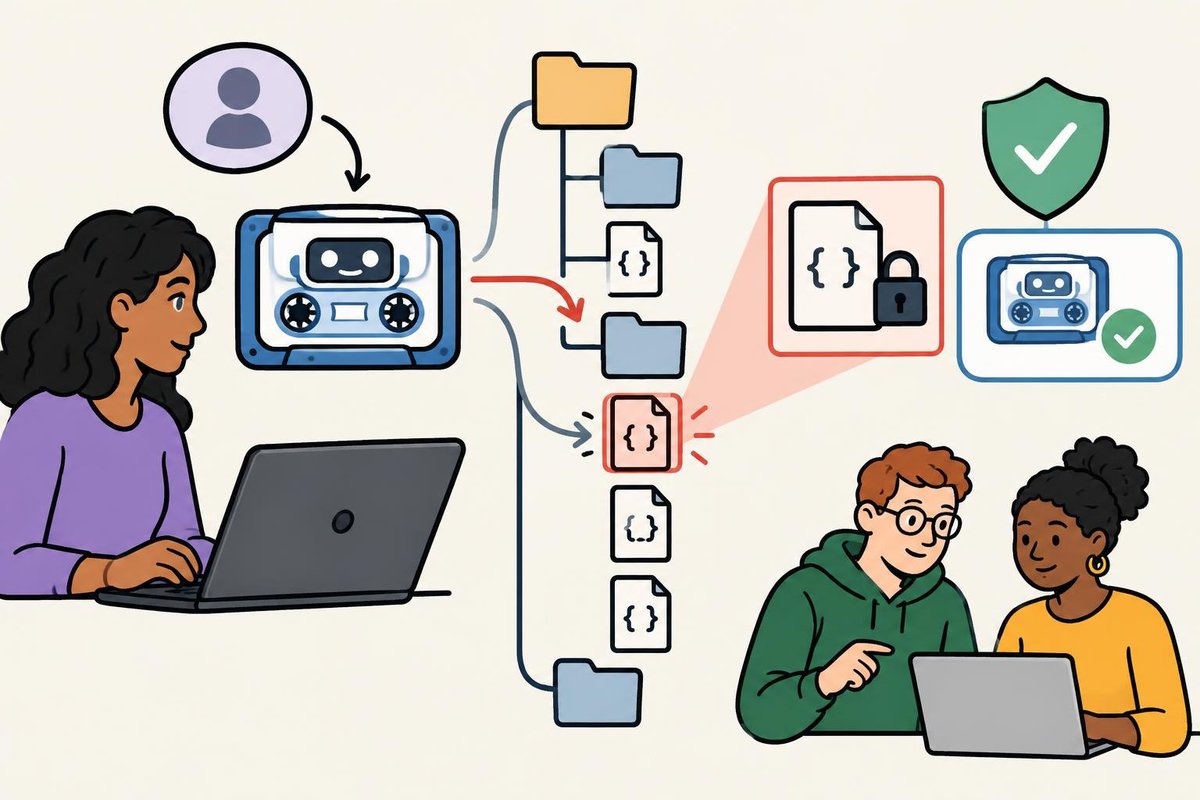
Small, agent-built checks are part of Transformers' automated testing after Hugging Face added them across multiple model families to catch problems before code changes merge. The checks exercise real model-use paths without running every full-size model on expensive graphics chips, and people review the recorded reference outputs. In a replay of a UMT5 training bug, a small test running on a standard processor caught every affected code change.
Text+2Nov 3
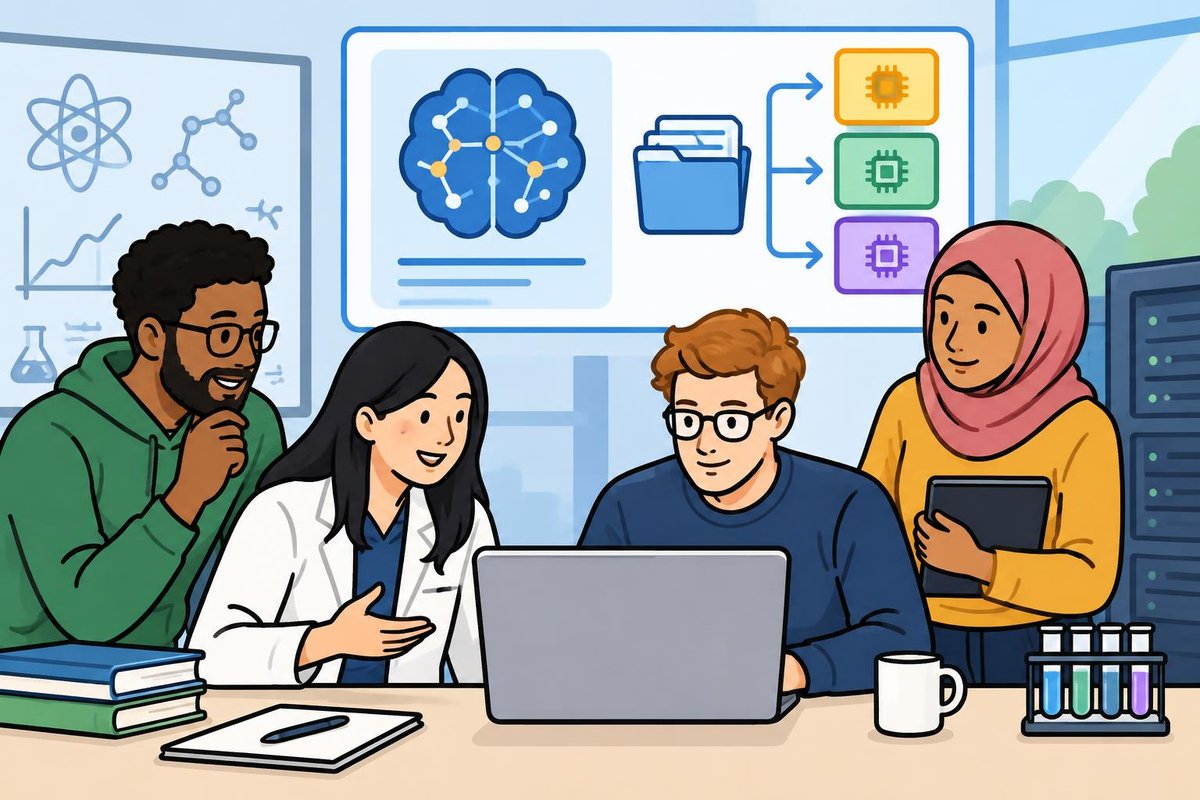
Image: The Threshold Report/GPT Image 2.5
Deep Principle releases Hydrogen-1.0 for scientific assistance
Deep Principle released Hydrogen-1.0 for researchers with enough hardware to run a scientific assistant themselves. Based on GLM-5.3, it can work with one million tokens (pieces of text) at once to help with scientific questions, derivations and research planning. Its repository provides BF16 weights (the model's learned values in a numerical format) and links to separate lower-precision versions.
Video+2Nov 2
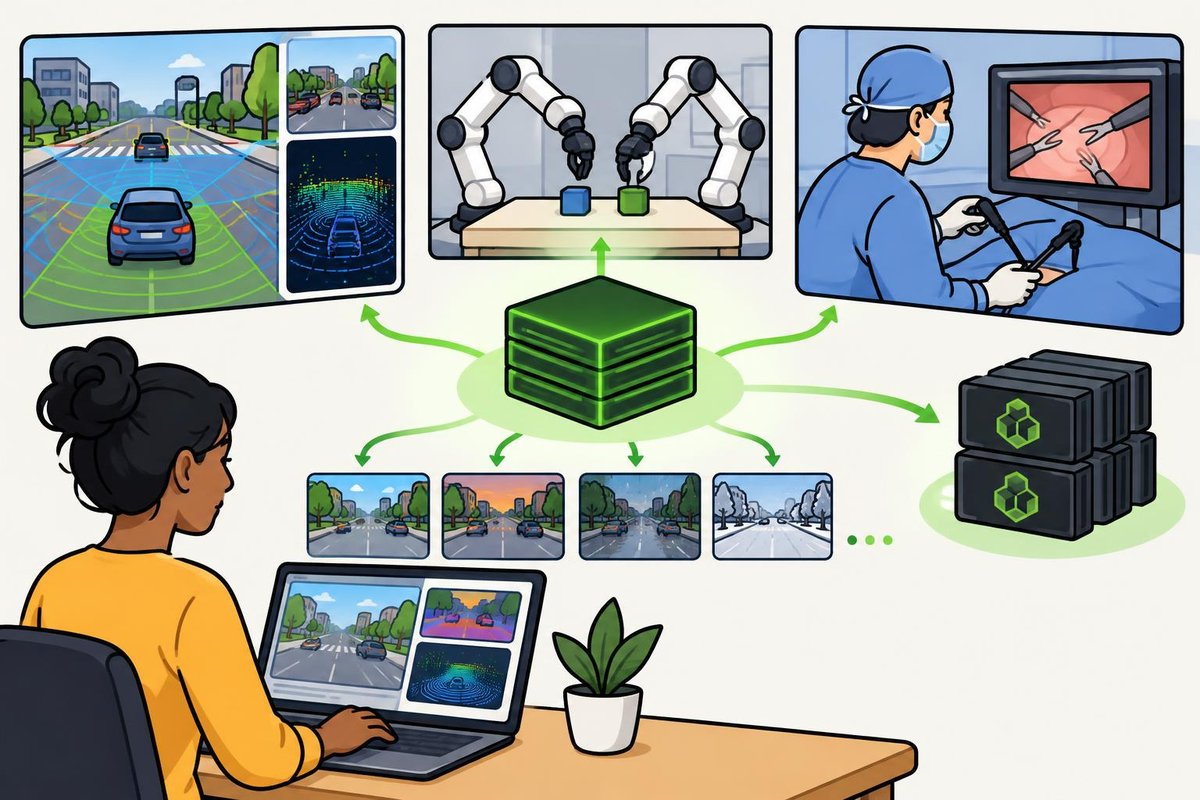
Image: The Threshold Report/GPT Image 2.5
NVIDIA releases Cosmos recipes for physical-AI testing
NVIDIA made Cosmos simulation checkpoints (saved model versions) and recipes available to train or evaluate AI for physical machines before real-hardware tests. The company also describes optimized Cosmos NIM containers (packaged software for running the models). Developers can generate synchronized camera views and LiDAR data (laser-based distance measurements). The examples also cover two-arm robot simulations and evaluations of software that guides surgical actions.