AgentsOct 23

Image: The Threshold Report/GPT Image 2.5
AI Engine patches flaw in WordPress assistant access
AI Engine fixed a WordPress plugin flaw with version 3.8.7 on Oct. 23. GitHub and NVD published the advisory on October 30, 2026. An attacker without a login could register an app through MCP (a protocol connecting AI assistants to software tools) and obtain administrator-level tools if an administrator approved it. The attacker could potentially obtain approval through clickjacking, meaning tricking the administrator into clicking a control they did not intend to use.
Positive - AI Engine 3.8.7 closed an MCP authorization flaw that could expose administrator-level tools when an administrator was tricked into approving a malicious client.
RobotsNov 1

Image: The Threshold Report/GPT Image 2.5
VicOne reports 28 robotics flaws found with AI assistance
VicOne says AI-assisted research found 28 previously unknown security flaws in tools used to develop, test and operate robots. The initially validated findings include projects maintained by Google, NVIDIA and Meta; weaknesses in these tools can influence robot behavior and the evidence used to assess safety. VicOne plans coordinated disclosure, meaning it will work with affected vendors before releasing details. Vendor-notification dates and responses have not been established.
Positive - VicOne used AI to identify and initially validate 28 robotics-software flaws in under two days, accelerating defensive research across multiple vendors.
TextOct 26
Image: parameter.ai
OpenAI fixes ChatGPT share-link flaw that exposed private chats
On Oct. 26, OpenAI fixed a ChatGPT share-link flaw that could expose a signed-in user's private conversations. Parameter researchers reported the issue on October 18, 2026, and OpenAI reproduced it and patched both affected web interfaces. In Parameter's controlled test, opening a malicious shared conversation ran code inside the user's session and accessed private chats.
Positive - Researchers reported a ChatGPT share-link flaw that could expose private chats, and OpenAI patched both affected frontends to close the attack path.
TextOct 31
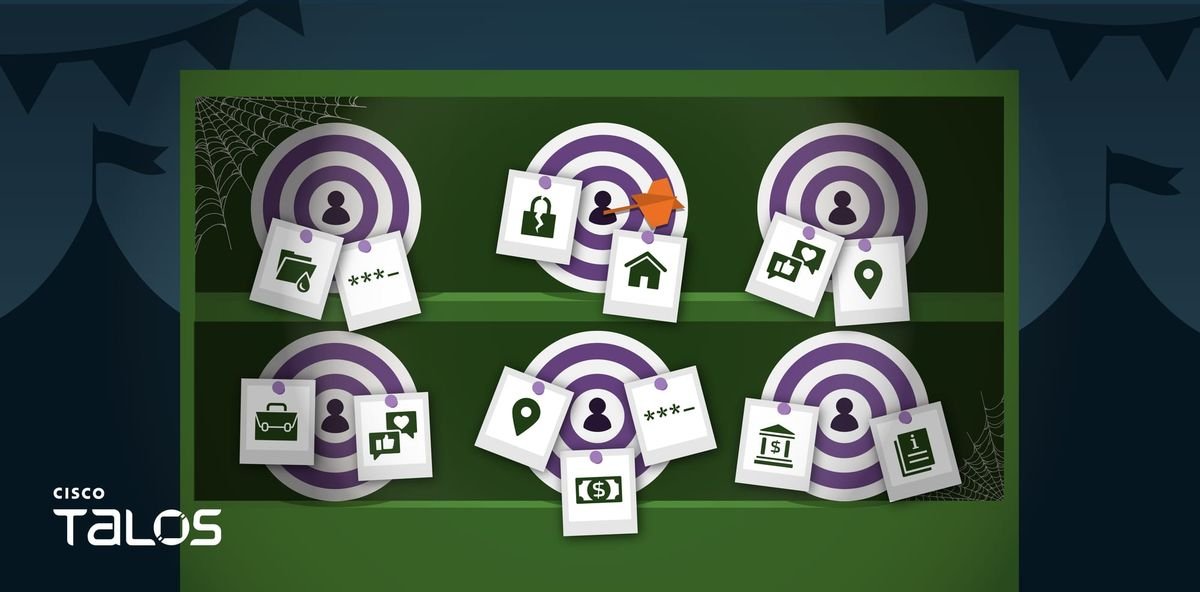
Image: blog.talosintelligence.com
Talos details VOLTA malware designed for AI-assisted data analysis
VOLTA, a Windows information-stealing program, is designed to send stolen victim data to commercial language models to identify assets worth monetizing, according to Cisco Talos. It can try other models if one refuses, potentially reducing attackers' work in prioritizing victims and assets. Talos published its analysis yesterday and recommends restricting Chrome launches without a visible browser window and revoking compromised credentials.
Negative - VOLTA is designed to rank stolen data with language models and switch models after refusals, helping thieves find profitable targets while sidestepping safeguards.


