The Threshold Report
← Threshold Report

What’s Real

Agents+2Oct 30

Image: factory.com

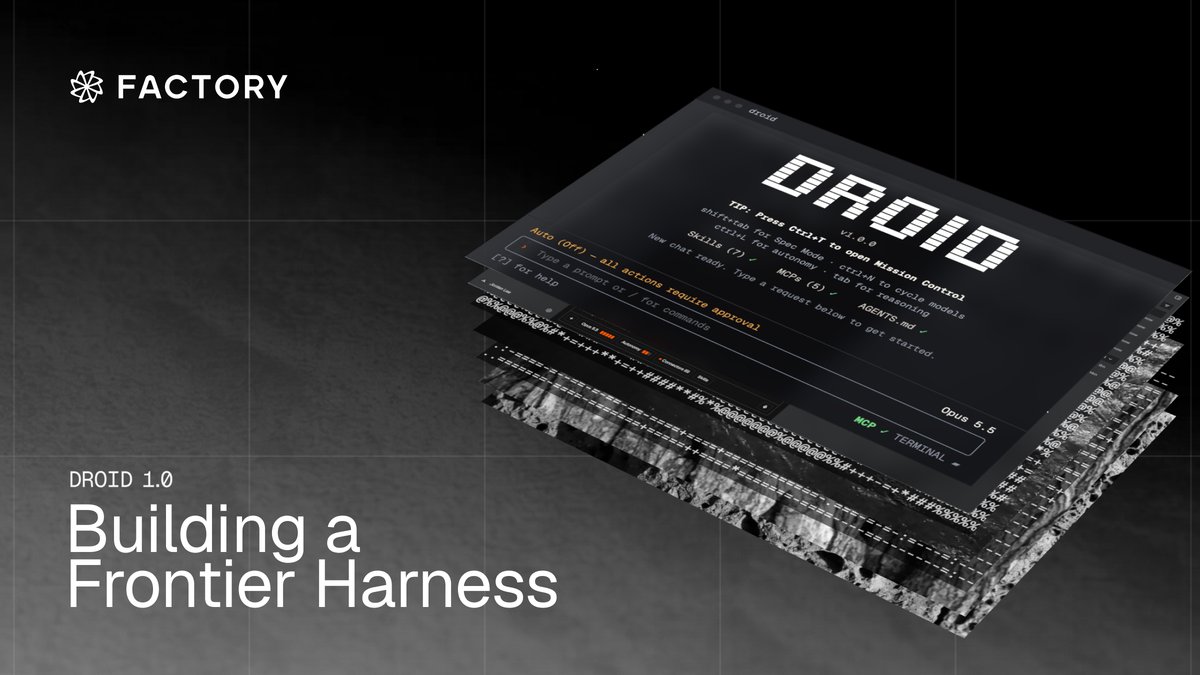
Factory releases Droid 1.0 to batch coding-agent tool calls

Today, Factory released Droid 1.0, which lets a coding agent write a program that runs many tool calls in one model request. Factory also uses agents to propose and test changes to the software across model families, with engineers reviewing what ships. The company compared Droid against alternatives using the same models and tasks to check accuracy, cost, and speed. On the Terminal-Bench 4 test, Factory reports higher scores than the tested alternatives, with costs up to 24% lower for Claude Opus 5.5.

SOURCES · factory.com
Agents+2Oct 28

Image: slack.com

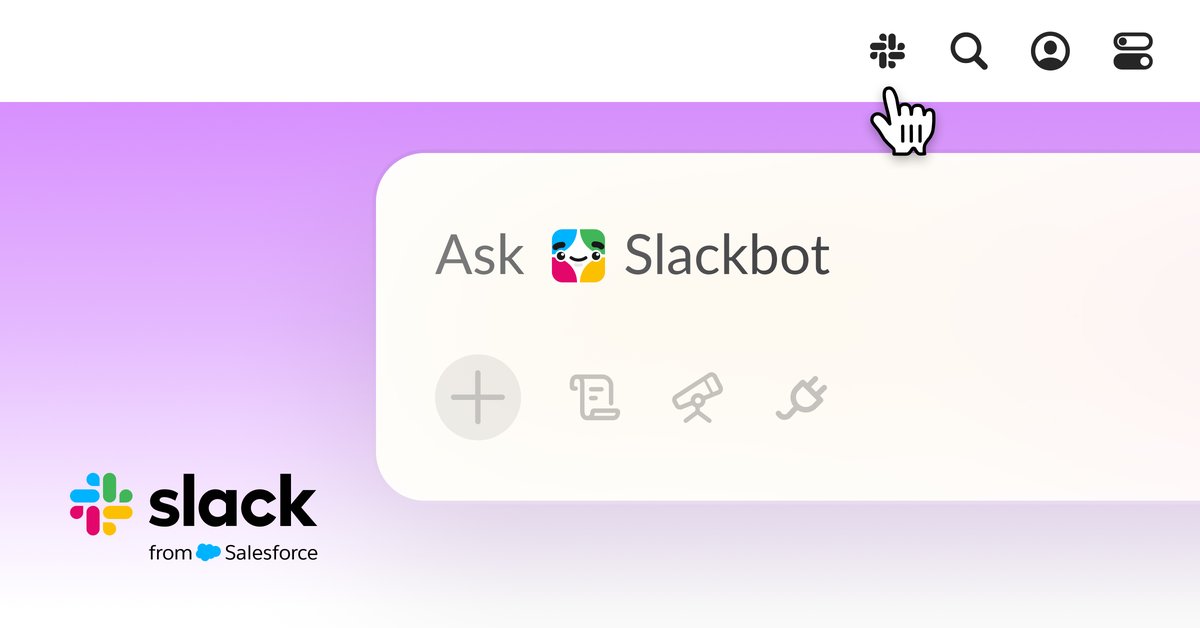
Slackbot gains event-triggered tasks and a skills API

Slackbot can start tasks when messages, reactions, list updates, or channel creation occur, with actions carried out automatically or after approval. Slack also shipped a floating Mini window and workflow integration. Approved apps can use a new API to manage reusable skills (saved procedures for completing tasks), which administrators can distribute from code.

SOURCES · slack.com
Audio+2Video+2Oct 29

Image: pika.art

H3 Flex generates synchronized audio with reference-guided video

H3 Flex generates audio in sync with video and accepts as many as 12 images, videos, or sound files to guide the result. Pika's release includes code and adapters (files that modify the underlying MiniMax H3 model) for running and customizing the generator locally at 480p or 768p. The API offers higher-resolution output and audio stems, meaning separate tracks of sound. In Pika's controlled test, the main AI calculation took seven seconds for a 15-second clip at 768p.

SOURCES · pika.art · github.com
Image+2Oct 29

Image: figma.com

Figma deploys its own editing model inside its design agent

Figma's generally available design agent uses an in-house model for precise canvas edits alongside third-party models. Larger models generated and evaluated training edits; Figma says an earlier model with 70 billion parameters (learned settings) became competitive with leading models of its time on editing tasks. Expert designers checked the newer agent's quality and instruction following alongside speed and cost. The company says it matched or beat the previous production version 62% of the time, with typical tasks about 20% faster.

SOURCES · figma.com
Image+2Oct 29

Image: The Threshold Report/GPT Image 2.5

Dream's building-design software runs on 10 active projects

Architects, engineers, and developers are using Dream to conceptualize buildings and estimate costs on 10 active projects in Texas and California, its founders say. They say its AI model was trained on more than 100 million square feet of building data from permit archives. Dream is designed to account for structural elements and building systems when proposing designs.

SOURCES · techcrunch.com
Robots+2Oct 30

Image: developers.pokebot.com

PokeBot makes Poke-Aurora accessible through RoboAPI

PokeBot opened access to Poke-Aurora through RoboAPI, allowing developers to try language-directed tasks on supported robot hardware. RoboAPI sends camera images, the robot's current state, and task instructions to the model, which returns sequences of actions. Developers can connect through a local control interface or call the model from their own applications.

Text+2Oct 29
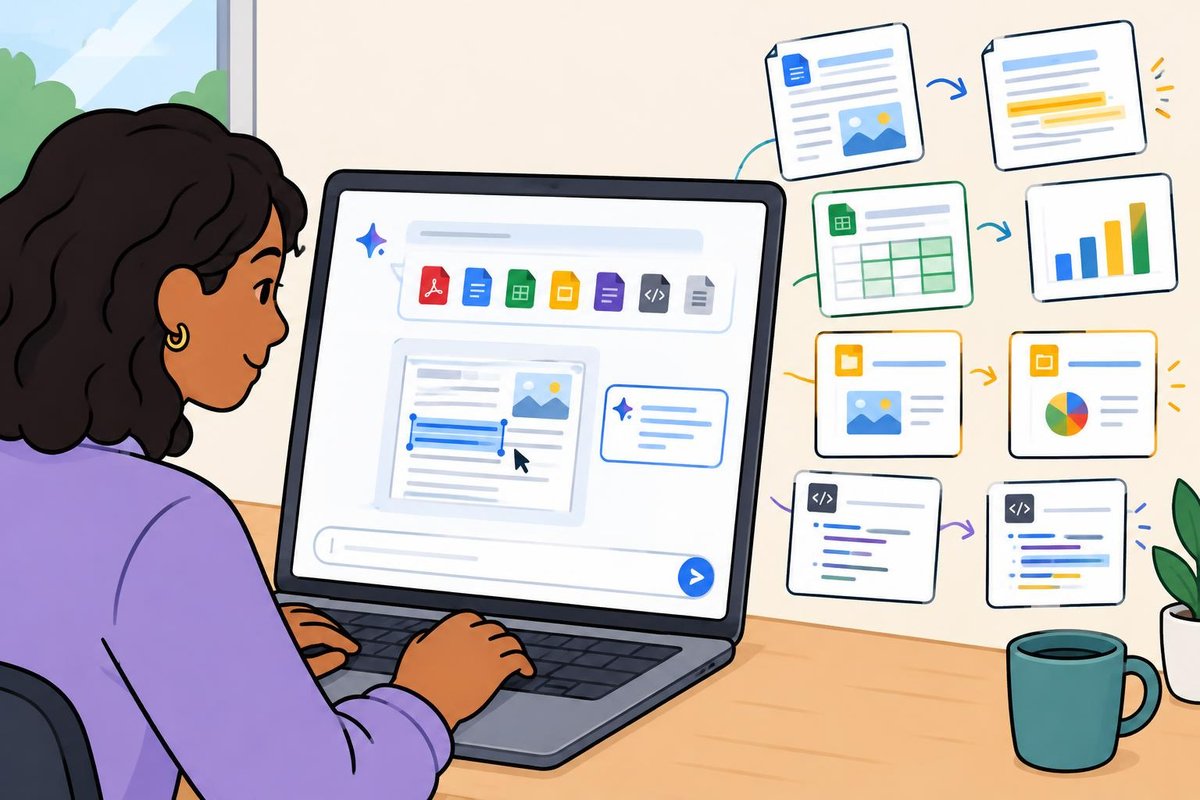
Image: The Threshold Report/GPT Image 2.5

Gemini adds in-chat editing for generated files

Inside a Gemini chat, users can generate, preview, and edit files without switching apps. The supported formats are PDFs, documents, spreadsheets, slides, text, Markdown (a plain-text format with simple formatting symbols), and code. Users can highlight content to ask questions or request edits, and turn a table into a graph within the conversation.

SOURCES · theverge.com
1 of 7

Security

Money Moves

The AI stocks Wall Street fund managers are adding, trimming, or dropping.

Open the tracker for the latest holdings.

Open Market Watch

Who invests in, buys, supplies and powers whom across AI.

Open AI Entanglements
AgentsOct 30

Image: epoch.ai

GLM 5.3 turns public Firefox fixes into file-stealing attacks

Epoch AI says the downloadable GLM 5.3 model autonomously built file-stealing attacks against six Firefox releases. It analyzed published fixes that had not reached users and combined them with an unpublished flaw. After setup, the experiments cost roughly $1,000 per Firefox version. Epoch reported the flaw to Mozilla, which patched it in Firefox 159.0 on October 27, 2026.

Positive - Epoch reported the Firefox flaw uncovered in its AI exploit tests, and Mozilla shipped a fix that closes the exposure.
SOURCES · epoch.ai
AgentsOct 29

Image: The Threshold Report/GPT Image 2.5

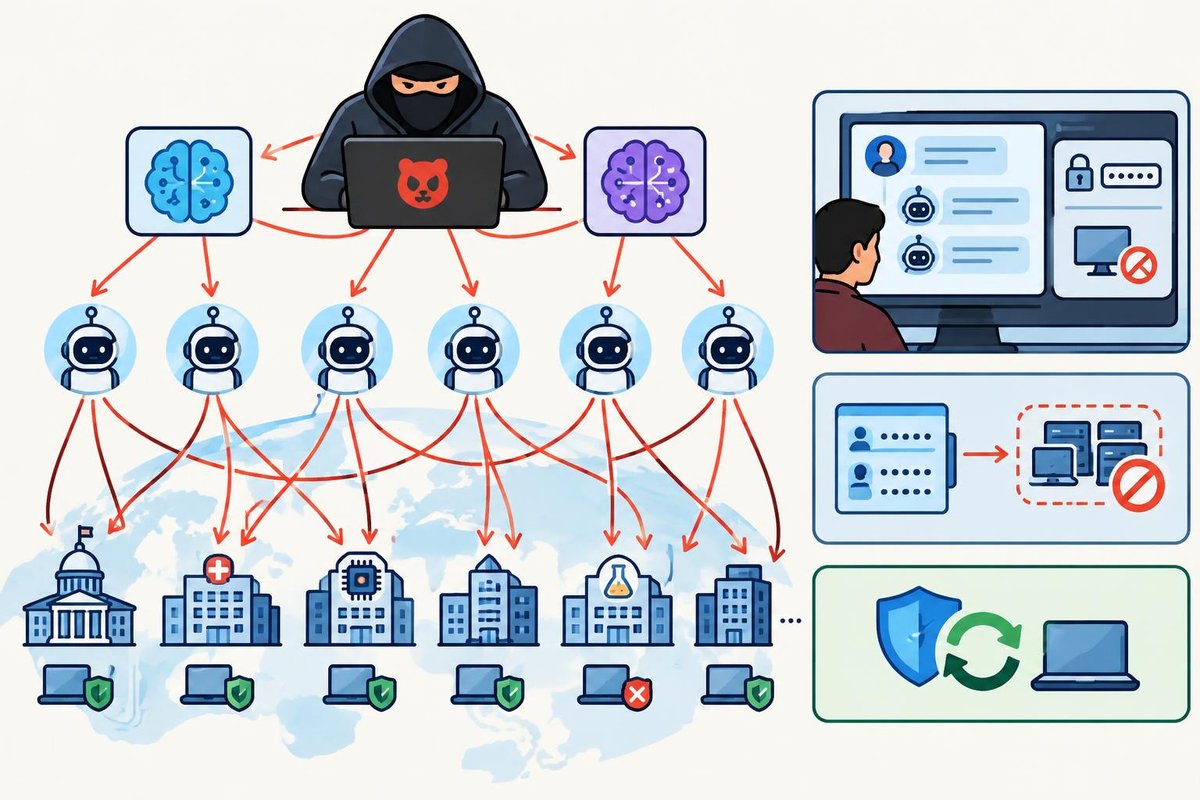
CrowdStrike traces AI-agent attacks against more than 200 organizations

China-linked VAPOR PANDA targeted more than 200 organizations with AI agents running in parallel, CrowdStrike says. The group used ARTEX (software for agent-led security testing) with DeepSeek and another commercial model, targeting government bodies and companies in pharmaceuticals and semiconductors. In recovered transcripts, a human directs the agents to steal credentials and find machines without endpoint protection (security software on individual devices). CrowdStrike confirmed activity inside nine compromised organizations, published attack indicators, and recommended replacing exposed credentials.

Negative - VAPOR PANDA used AI agents to hunt credentials and unprotected machines in a campaign with confirmed post-exploitation activity at nine organizations.
SOURCES · crowdstrike.com
AgentsOct 29

Image: unit42.paloaltonetworks.com

Unit 42 retracts entry-point claim in AI-linked government attack

Unit 42 withdrew its claim that attackers used the PHP2Shell exploit to gain initial access in a European government compromise it had linked to AI agents. It says it could not confirm that entry point. Separately, Unit 42 says attackers are actively exploiting PHP2Shell against exposed PAN-OS administration controls. Palo Alto Networks has issued fixes.

Negative - Attackers are exploiting exposed PAN-OS management interfaces in the wild, turning reachable administrative services into a live intrusion route.
AgentsOct 30

Image: cra.mr

Sentry puts network controls around its Junior coding agent

Sentry routes Junior's outgoing network traffic through an egress proxy (a checkpoint for connections leaving the agent's environment). The proxy injects credentials, rejects disallowed actions, and makes Junior use a controlled tool to propose code changes. Junior can run computer commands and work across code repositories. The agent also watches for review comments and failed checks so it can respond to feedback.

Positive - Sentry's proxy rejects disallowed agent actions and controls credential use and pull-request creation, putting enforceable limits around automated code changes.
SOURCES · cra.mr
AgentsOct 29

Image: microsoft.com

Microsoft documents North Korean groups using AI-agent attack software

North Korean groups have used AI to produce tailored lures (messages meant to deceive targets) at scale, develop malware and personas, and plant malicious code in private repositories, Microsoft says. Microsoft also observed Onyx Sleet and Pearl Sleet using ARTEX (an AI-agent framework for testing security weaknesses) in operations in late October 2026. Microsoft published guidance for spotting and countering the attacks.

Negative - North Korean groups are using AI to scale tailored lures, build malware and poison repositories, expanding active attackers' capacity to prepare campaigns.
SOURCES · microsoft.com
AgentsOct 30

Image: wiz.io

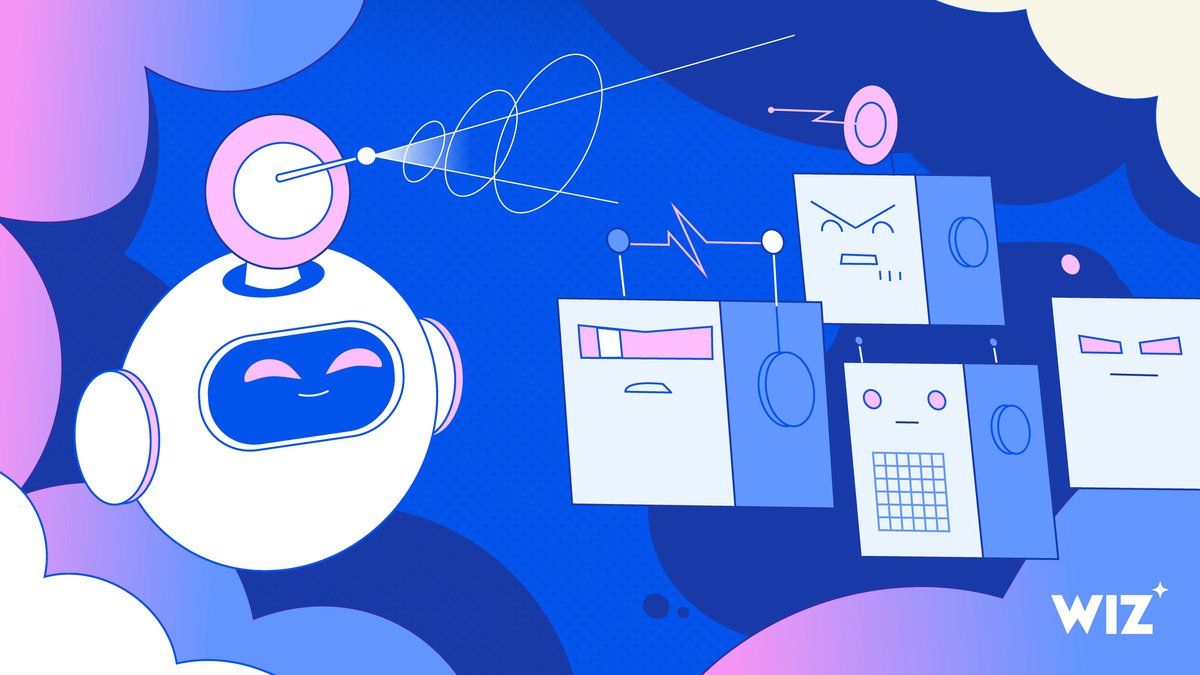
Wiz details three intrusions with signs of AI-agent activity

An exposed Flowise installation was among three targets in intrusions Wiz examined for signs of AI-agent activity. The other targets were an enterprise gateway and an AI-agent backend (the server-side software supporting an agent). Wiz found generated scripts and repeated adaptation, along with stolen cloud credentials and credentials for Kubernetes (software that manages apps across servers). In one case, the attackers' tools explicitly referred to another agent working in parallel.

Negative - Attackers stole cloud and Kubernetes credentials in real-world intrusions that included adaptive scripts and evidence of parallel agents.
SOURCES · wiz.io
AgentsOct 20

Image: github.blog

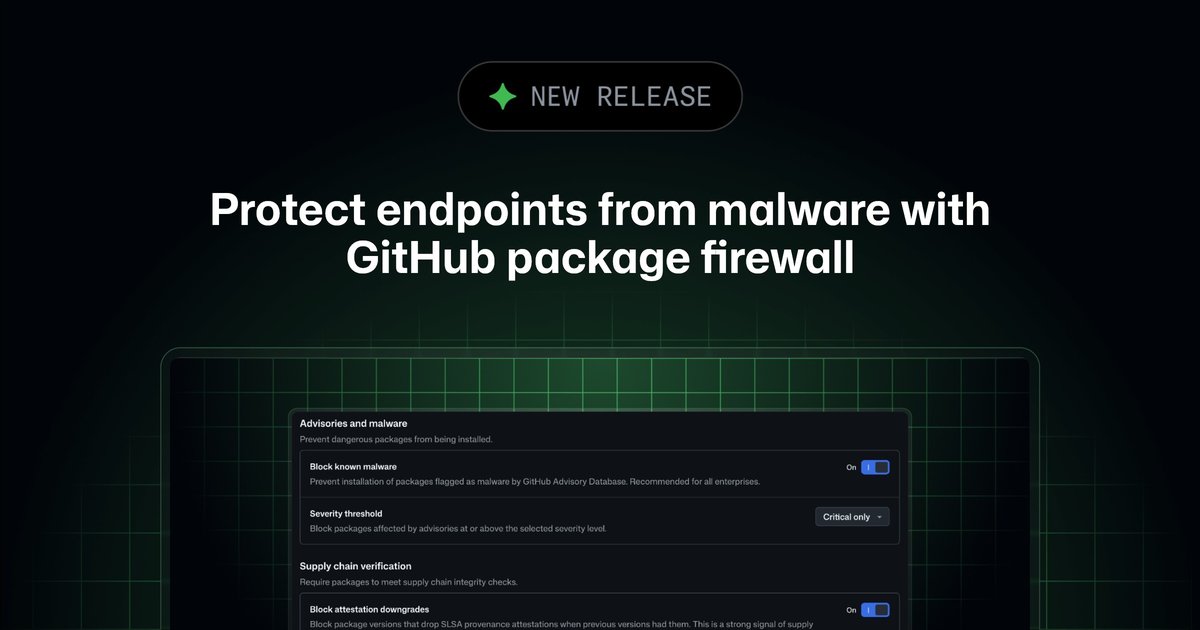
GitHub previews a package firewall for coding agents

Before coding agents or automated build-and-test systems install outside software, GitHub's package firewall checks package details and downloads against enterprise policies. The public preview opened on Oct. 20. It supports checks against security advisories, configurable waiting periods, and checks for risks in the software a project depends on.

Positive - GitHub's package firewall checks dependencies before agents or CI hosts install them, letting enterprises enforce security policies at the point of download.
SOURCES · github.blog
Compute & InfraOct 29

Image: pluto.security

Malicious model repositories reappear after takedowns

Pluto Research traced 31 malicious model repositories (collections of model files) across seven Hugging Face accounts. The attackers used permission to run a publisher's Python code before a model loaded, installing cryptocurrency-mining software and backdoors on machines with graphics chips. Hugging Face and ModelScope removed the first wave after Pluto reported it. Pluto says 19 second-wave repositories remained live eight days after its report.

Negative - Malicious model-loading code installed miners and backdoors on GPU hosts, and replacement repositories remained live after the initial takedowns.
SOURCES · pluto.security
TextOct 29

Image: engineering.fb.com

Meta's AI-generated tests catch 74 privacy bugs before release

Meta says JiTTests caught 74 serious privacy bugs before affected code went live in the first half of 2026. The deployed system generates tests for risky code changes, checking whether they introduce unintended behavior. It combines model judgments with rule-based filtering, while people review selected cases. Meta reports a 60% true-positive rate (a measure of correct detections) and a 20% reduction in privacy incidents during that period.

Positive - Meta's AI-generated tests caught 74 serious privacy bugs before production, stopping flawed code before it reached users.
1 of 9

Other News

AgentsOct 29

Image: raindrop.ai

Prompt order changes which AI agent proposes a plan

In Raindrop's simulated store outages, the first agent named in a prompt was three times as likely to propose a plan, and swapping the order switched the advantage. The researchers used the Jev classifier (software for sorting text) to identify instructions, then replayed decisions to test whether those instructions changed teammates' actions. Only 105 of 2,160 teams qualified as having a leader under the study's influence criteria, though shared communication sharply reduced duplicated work.

SOURCES · raindrop.ai
Compute & InfraOct 28

Image: aibusiness.com

Red Hat tests self-hosted models with up to 1,400 engineers

Up to 1,400 engineers are testing models on Red Hat's own systems, using GLM and a smaller Qwen deployment. About 70% of participants' AI traffic goes to open-weight models (models whose learned settings are available to download). They also have an experimental $300 monthly quota for frontier models (the most capable models). Red Hat says engineers found open models adequate for many tasks, and that this mix helped turn runaway growth in externally hosted model spending into a substantial decline.

SOURCES · aibusiness.com
1 of 2

Upcoming

Announced or reported, but not yet real or available.

TextOct 28

Google previews Gemini 4 Carbon for selected cyber defenders

Waiting on: Broader availability - Google plans access for more trusted partners and is gathering feedback and refining safety protections before a wider release to developers, businesses and consumers.