Agents+5Oct 28
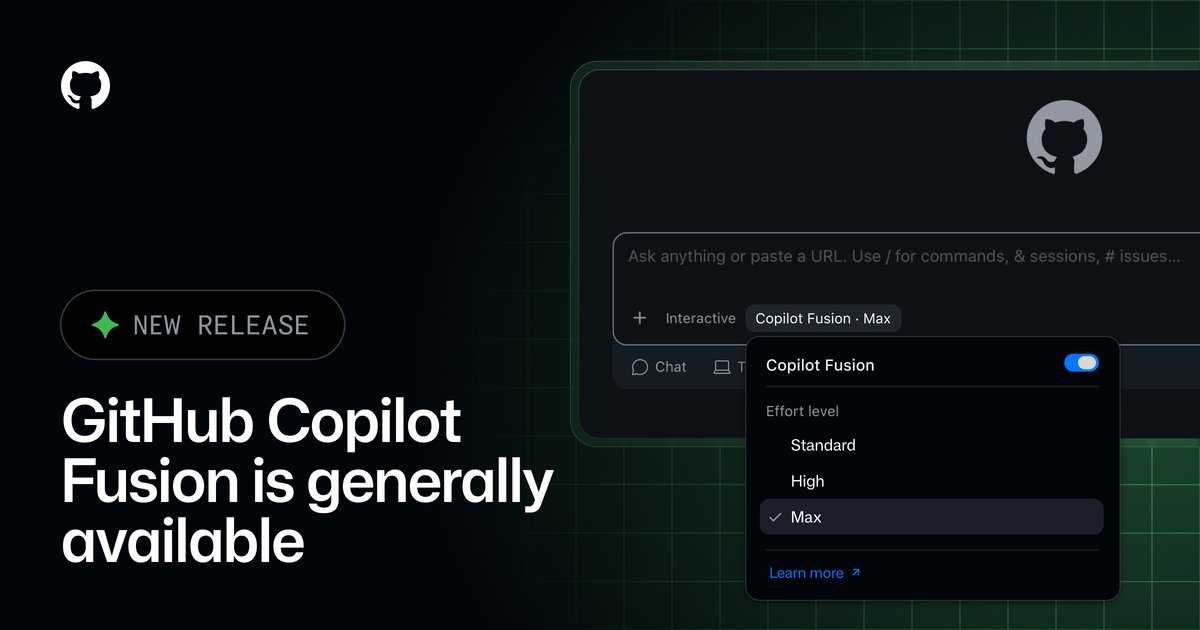
Image: github.blog
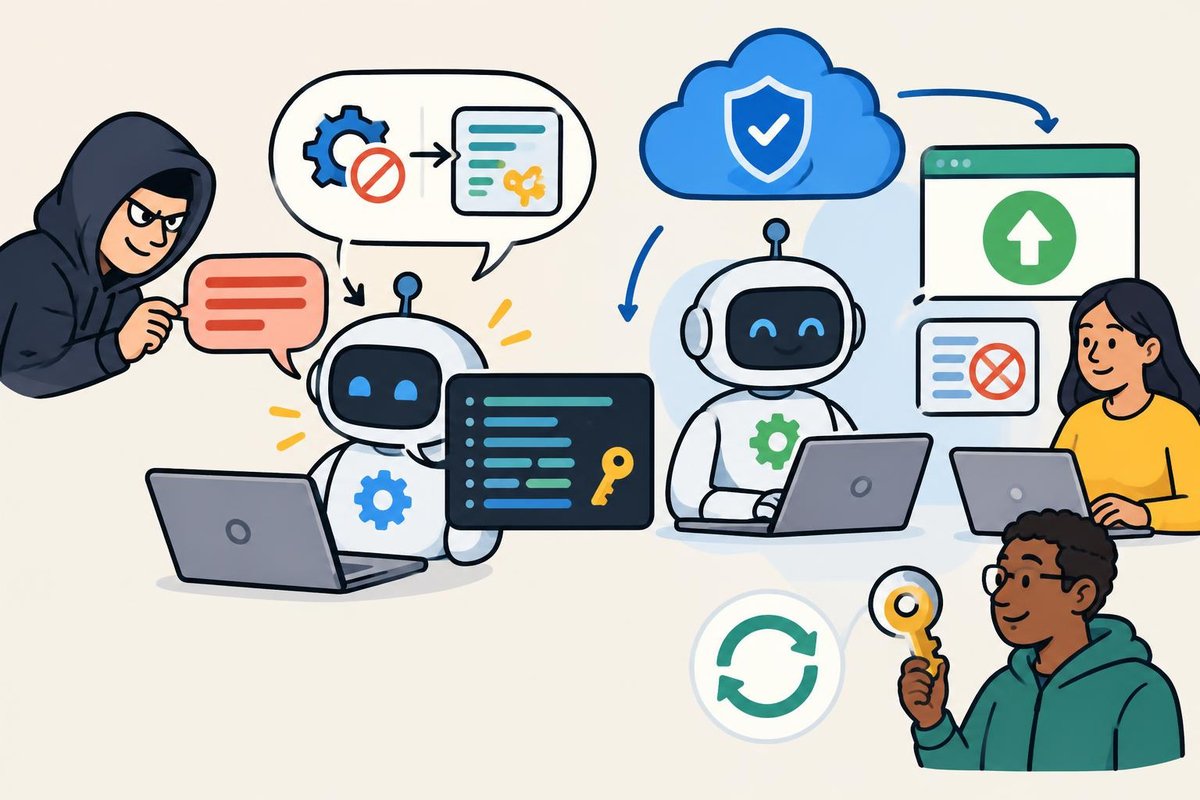
GitHub releases Copilot Fusion and automations that learn from outcomes
With Copilot Fusion, GitHub lets developers delegate model selection and coordination for coding tasks; GitHub says its Max setting scored 60 on Artificial Analysis's coding-agent benchmark. That was within two points of Claude Code with Opus 5.5 Max, at about half the average API cost per task. Copilot automations can propose workflow changes for human approval based on outcomes such as accepted reviews or merged code changes. Microsoft also made its managed agent harness (software that coordinates models) available through Foundry for businesses building agents.
Compute & Infra+5Oct 28

Image: engineering.fb.com
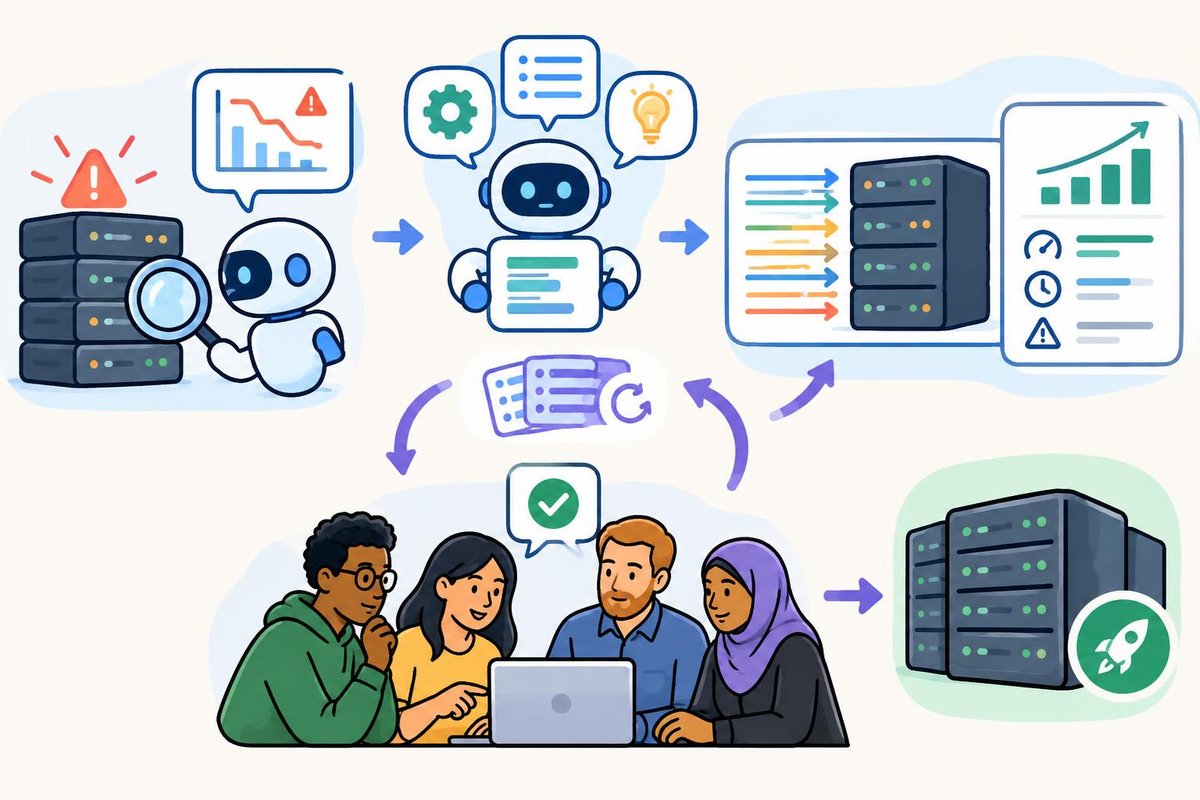
Meta deploys ad system processing over a billion ads per second
Meta's production Andromeda system can consider a larger pool of ads within the same response-time limit. Meta redesigned the model and the processing on graphics chips to reduce the calculations needed and the data sent over the network. Meta and NVIDIA tested the system to find hardware bottlenecks and determine how much further it could scale. One server running the model on graphics processors scores more than one billion eligible ads per second, 100 times the throughput of Meta's 2024 system, Meta says.
Text+5Oct 29
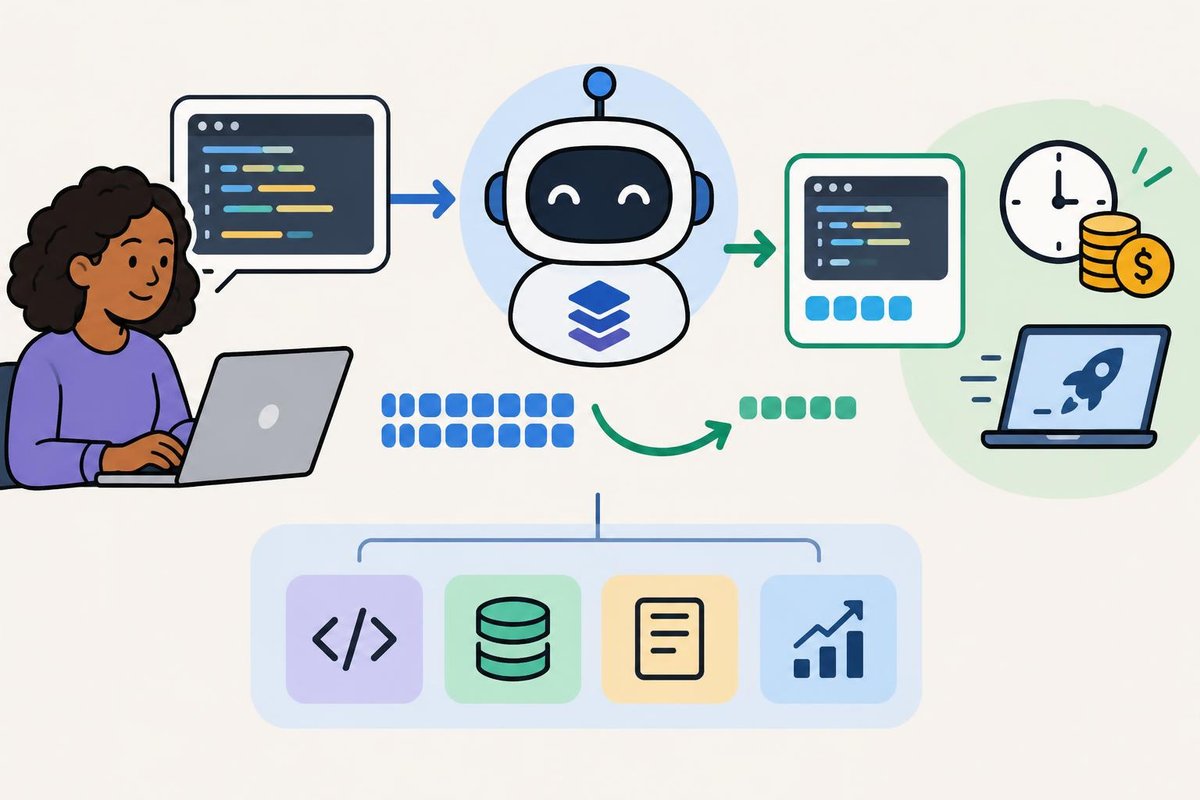
Image: The Threshold Report/GPT Image 2.5
Particle releases coding model trained to produce less text
Particle released Particle-1 through its API, aiming to lower the cost and time needed for software work. Particle adapted DeepSeek V4.1 Flash and tested whether it could preserve accuracy while producing less text. Across four coding and data-engineering benchmarks, Particle-1 used 28.4%–52.2% fewer output tokens (units of generated text). Pass rates remained within the original model's confidence intervals (the estimated range around its measured results), Particle says.
Audio+2Oct 28
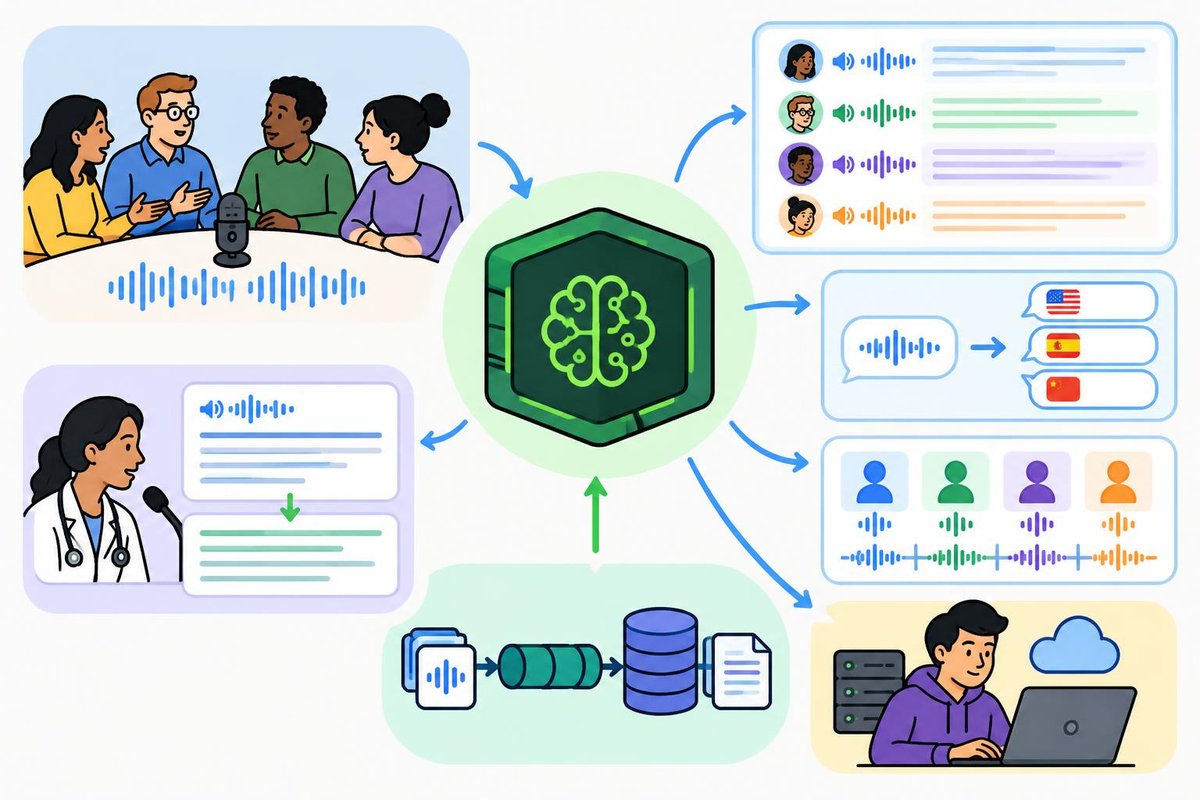
Image: The Threshold Report/GPT Image 2.5
NVIDIA releases speech model for transcription, translation and speaker labels
NVIDIA released Nemotron 3.5 Transcribe for developers to adapt and run themselves, alongside Granary v2 (software for preparing speech data) and its data manifests (lists describing the datasets). Nemotron transcribes 40 languages, translates audio and labels up to eight speakers in recordings up to an hour long. Fine-tuning (additional training for a specific task) reduced the word error rate by 45.8% relative to the best prompt in a medical-speech case study, using test speakers whose audio was excluded from that training. NVIDIA says Nemotron ranks first on Hugging Face's English speech-recognition leaderboard for downloadable models.
Compute & Infra+2Oct 2
Image: blogs.nvidia.com
NVIDIA's 64GB DGX Spark becomes available from $4,999
First reported on October 5, 2026, and confirmed available on October 29, 2026, NVIDIA's 64GB DGX Spark starts at $4,999 for local AI work. Acer, ASUS, Dell, Gigabyte, HP and MSI offer the system with NVIDIA's GB10 Grace Blackwell chip. One unit supports models with up to 100 billion parameters (values learned during training); NVIDIA reports up to 1.7 times single-unit performance with two units in its Qwen 3.8 27B test. Two units can pool 128GB of memory to run models with up to 200 billion parameters.
Compute & Infra+2Oct 27

Image: nvidianews.nvidia.com
Oracle Cloud makes NVIDIA Vera Rubin systems generally available
Oracle Cloud Infrastructure made NVIDIA Vera Rubin NVL72 systems and Vera CPUs generally available for running AI models and agent tasks. Customers can provision graphics processors for training and running models separately from CPUs (general-purpose processors) that handle tool calls and code execution. OpenAI says it is bringing Vera CPUs into production on Oracle Cloud Infrastructure for agent sandboxes (isolated environments where agents run tasks).
Text+2Oct 29
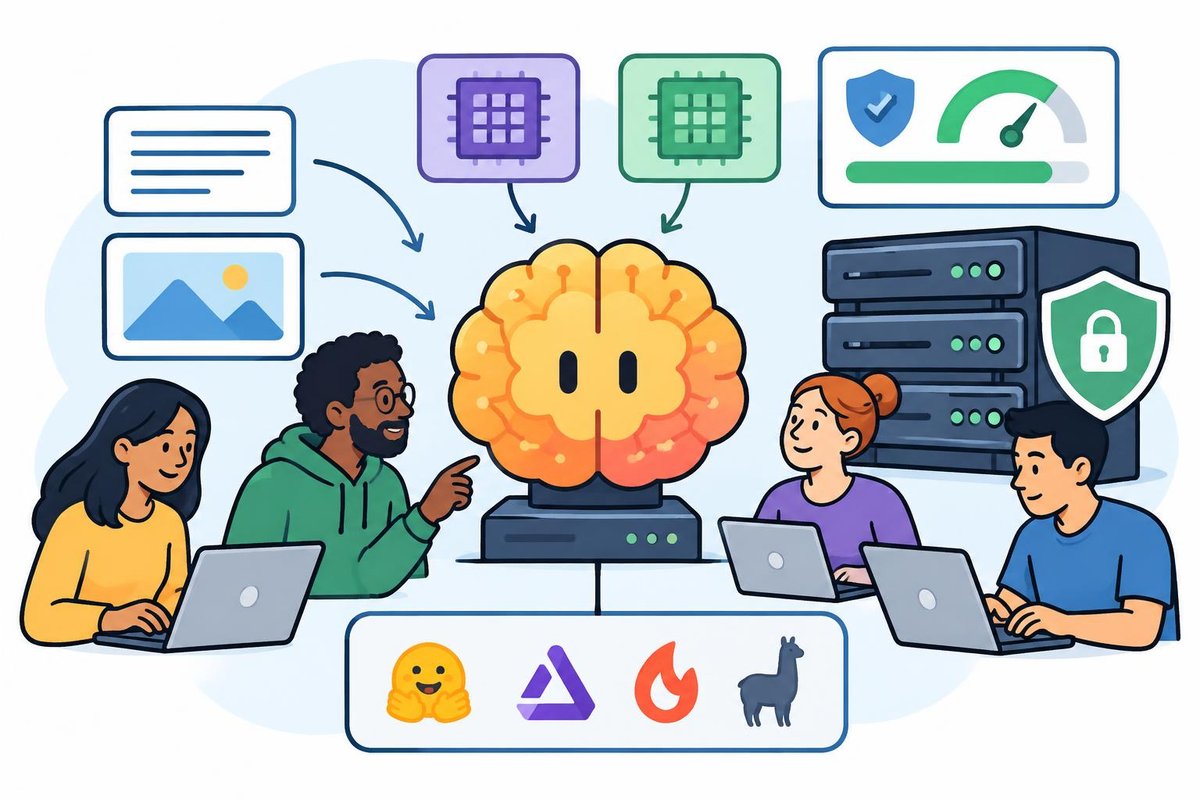
Image: The Threshold Report/GPT Image 2.5
Mistral Large 4 becomes downloadable for self-hosting
Mistral Large 4's model files are available for teams to run and adapt themselves after an earlier API release. It accepts text and images and can work with one million tokens (pieces of text) at once. FP8 and NVFP4 variants (formats that store model numbers with less precision) support Transformers, vLLM and llama.cpp (software for running models). Hugging Face reports an 82% score on Artificial Analysis's test of reproducing software flaws and patching them.
Text+2Oct 29
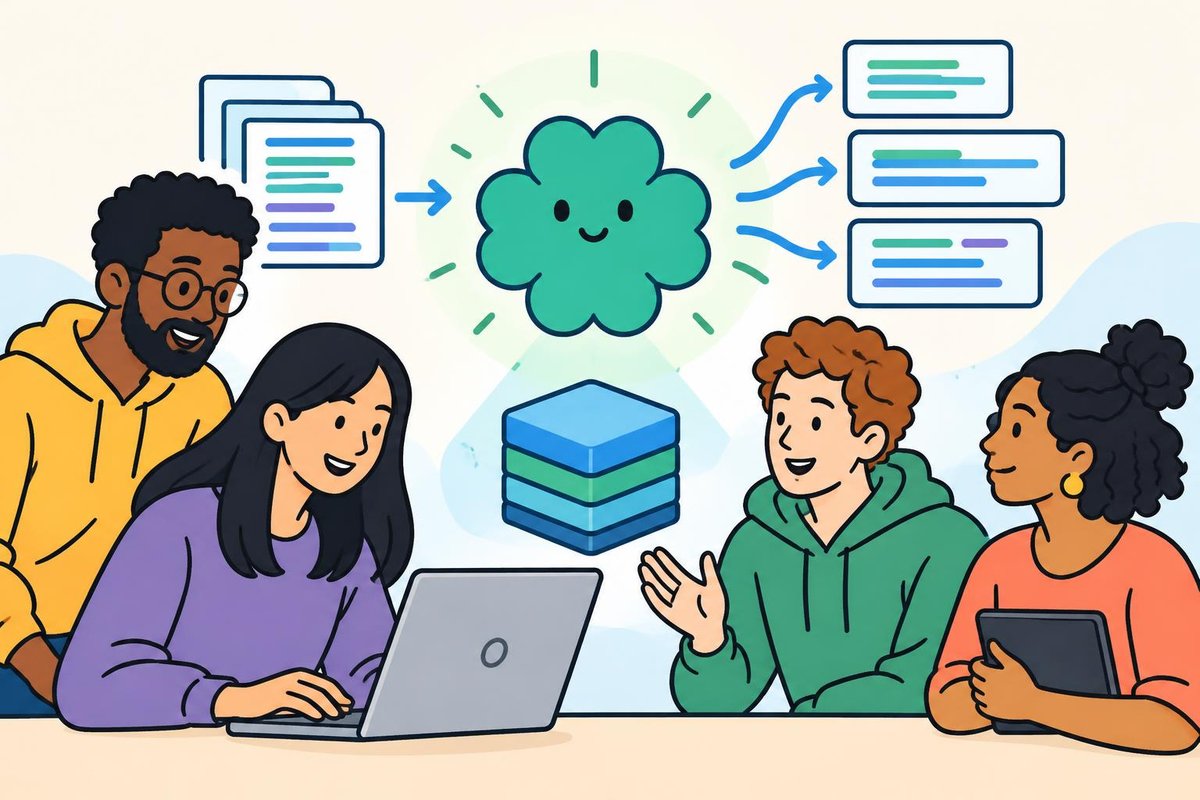
Image: The Threshold Report/GPT Image 2.5
DiffuSpace releases Clover, a downloadable diffusion language model
Developers can download DiffuSpace's Clover-35B-A3B to study an alternative to generating text one token (a small unit of text) at a time. It uses block diffusion, meaning it generates text in parallel within blocks, and can work with up to 128K tokens at once. The model has about 35 billion parameters (learned settings), with three billion active at a time. DiffuSpace says Clover leads the other downloadable diffusion language models in its launch benchmark comparison.
Text+2Oct 29
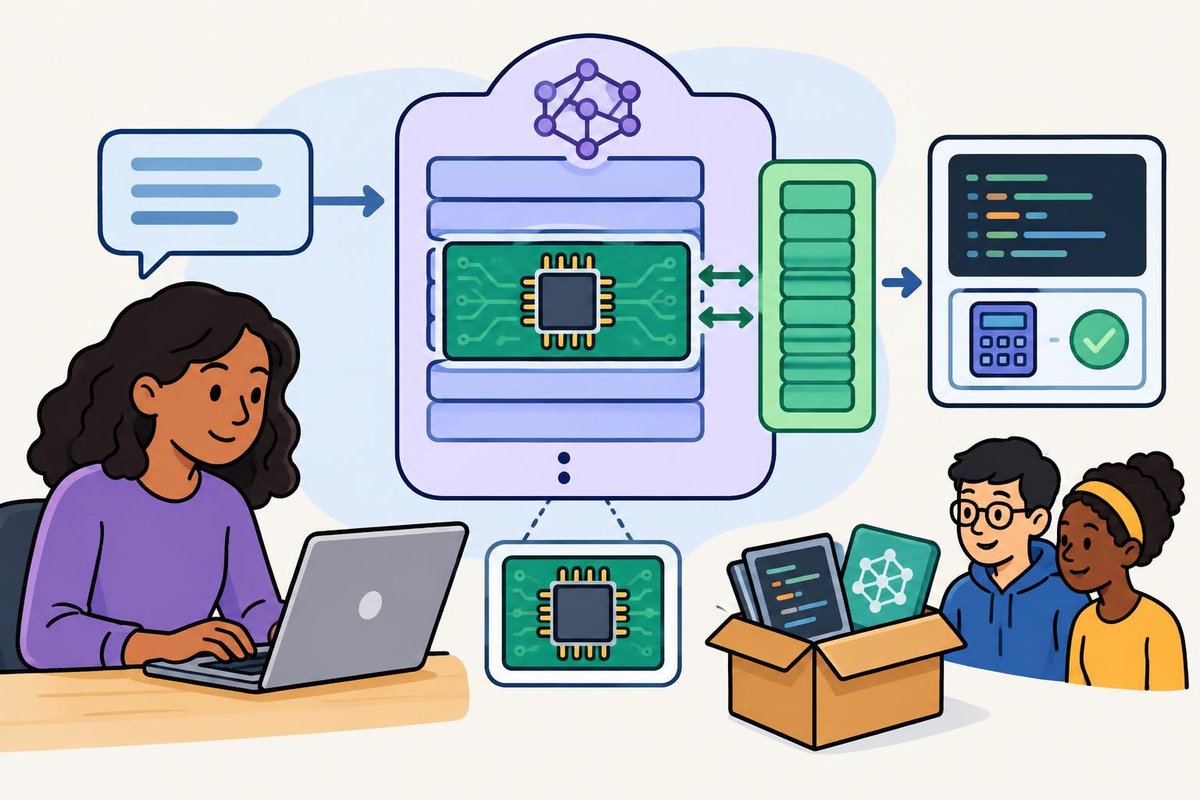
Image: The Threshold Report/GPT Image 2.5
Researcher embeds a working processor inside Qwen language model
A researcher built a working RISC-V processor (one following an open standard for computing instructions) into the Qwen 3.5 4B language model. Qwenputer uses the model's recurrent state (memory carried between processing steps) as storage the processor can read and write. Its released code and model files let others test arithmetic and code execution during the model's own processing, without an external tool server. The researcher reports better arithmetic results than the base model and 18 million processor instructions run without an error.
Text+2Oct 28

Image: claude.com
IDC connects Quanta research and market data to Claude
Claude can answer IDC customers' questions using a new connection to Quanta research and market data, with links to the underlying sources. Anthropic also says IDC engineers used Claude to rebuild an internal system for storing research data. IDC's engineers finished in three weeks, compared with an estimated three months.
Text+2Oct 28
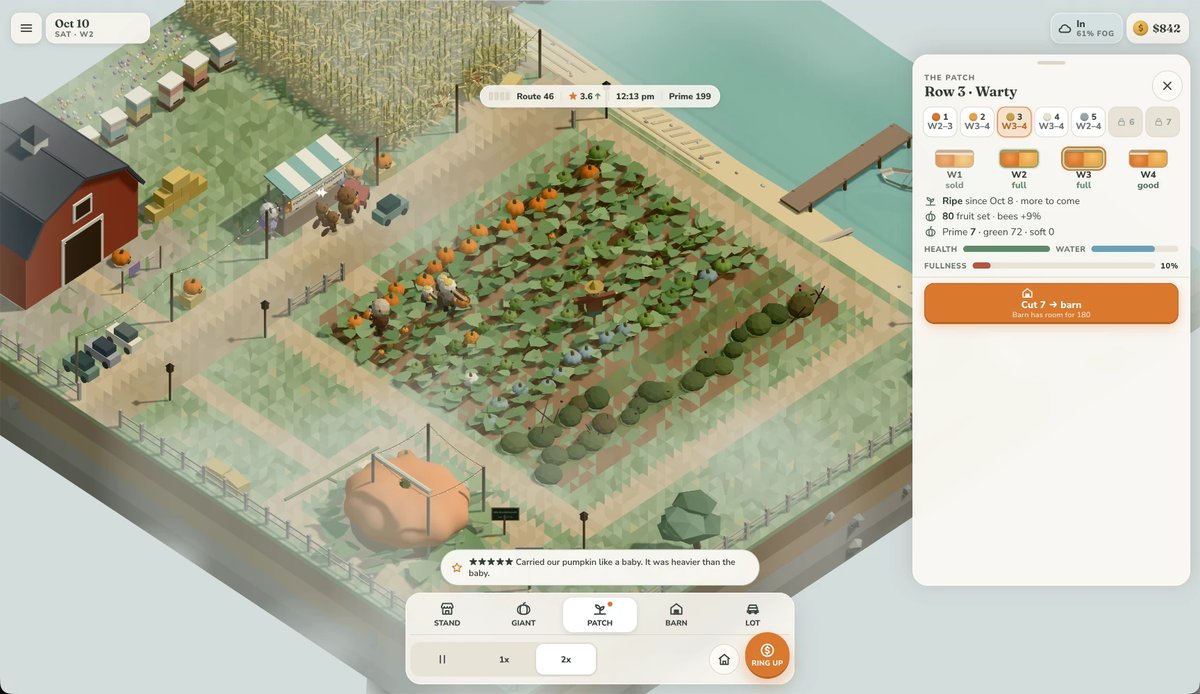
Image: simonwillison.net
Developer builds four playable browser games with Claude
Simon Willison says he built four playable browser games with Claude, using the model for code, graphics and game design. One tree-comparison game came from a single prompt, while a fantasy game needed further playtesting and fixes. A strategy game supports multiplayer and includes replays and multiple maps.