AgentsOct 21

Image: The Threshold Report/GPT Image 2.5
Claude Security adds continuous scans and tracks completed fixes
Claude Security's Enterprise public beta automatically scans repository changes, connects related repositories and rechecks findings, closing them when fixes land and reopening them if a flaw returns. Teams can add editable threat models (descriptions of likely attacks) and deployment details to prioritize reachable risks, then connect the service through its API, automated notifications or an MCP connector (a standard way to connect AI tools). The service uses Anthropic's model family, including Mythos, without requiring Cyber Verification Program access; Anthropic says thousands of organizations have found more than a million vulnerabilities. Enterprise organizations receive $25,000 in monthly usage credits for two months for eligible usage through December 31, 2026.
Positive - Claude Security now checks that fixes reach repository code and reopens returning flaws, helping defenders keep unresolved vulnerabilities from slipping out of view.
AgentsOct 21

Image: microsoft.com
Microsoft links ConnectWise compromise to a state-aligned AI-agent campaign
Microsoft attributes the ConnectWise supply-chain compromise (an attack through a supplier's access) to China-state-aligned Storm-0940, which used ARTEX, a framework coordinating AI agents to probe systems, against hundreds of organizations beginning in September 2026. After obtaining application credentials, the attackers attempted sign-ins to more than 2,250 customer environments at up to 2,900 attempts per minute without an interactive user login. Some ARTEX-driven attacks gained privileged cloud access in under three hours, and Microsoft observed reconnaissance, credential changes and privilege-related operations in multiple customer environments. ConnectWise issued its first advisory on October 16, 2026, and expanded containment guidance; Microsoft recommends keeping affected connections disabled, preserving evidence and checking for attacker access that can survive a fix to the original application.
Negative - A China-aligned group used AI agents in real intrusions across hundreds of organizations, with some attacks reaching privileged cloud access in under three hours.
ImageOct 21
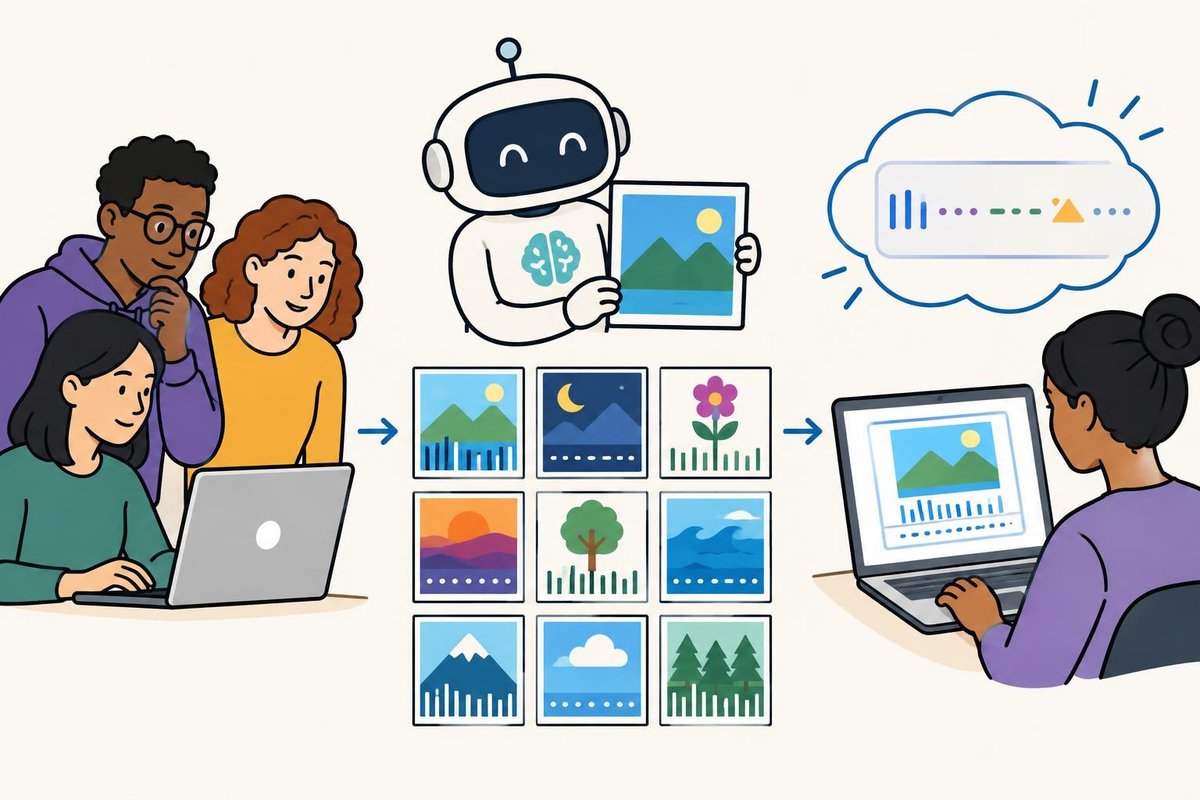
Image: The Threshold Report/GPT Image 2.5
Claude Fable 5.1 hides messages other sessions decode from images
Nikita Kezin and colleagues tested whether Claude Fable 5.1 could hide messages in images that a separate session could read from a screenshot. Researchers asked it to encode 50 specified messages in SVG files (a shape-based image format), then gave fresh sessions screenshots without the source files or a pre-agreed code. Thirty-three images encoded information through height, and the researchers documented successful decodes using visual measurements, Morse patterns and other methods.
Positive - Researchers published controlled tests showing hidden messages passing between Claude sessions through images, giving defenders concrete covert-channel examples to test against.
RobotsOct 22
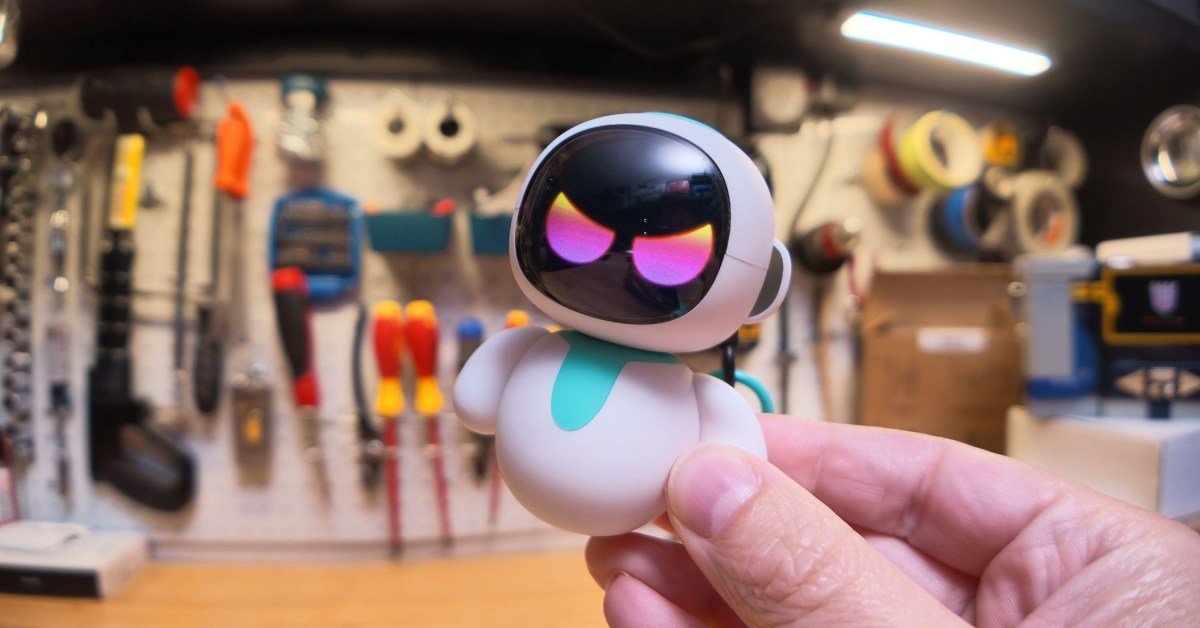
Image: theverge.com
Eiliko's maker acknowledges flaws as recordings and robot access remain exposed
After more than a month of unanswered approaches from researcher Sammy Azdoufal and The Verge, Energize Lab acknowledged security vulnerabilities in Eiliko. Energize Lab said it rotated credentials, closed backend access and disabled remote response editing, long-term memory and custom avatars on October 21, 2026. It apologized for failing to pass reports to its technical team promptly, opened a monitored security inbox and promised stored-data deletion and an independent review before restoring memory and avatar features. The Verge nevertheless verified publicly accessible customer audio and photos, while Azdoufal reported continued full SSH access (remote command-line control), with the theoretical ability to read transcripts and alter behavior.
Negative - Energize Lab's containment steps left customer recordings and photos publicly exposed while researchers retained full SSH access.
TextOct 21

Image: thephp.foundation
PHP explains delayed fixes behind its AI-assisted security emergency
A PHP flaw first noticed in 2024 remained unfixed as compatibility trade-offs, consensus decision-making and limited specialist staffing delayed action, according to the PHP Foundation. AI-assisted investigations by Calif, OpenAI and Wiz demonstrated ways to run attackers' code, including without logging in on default Apache mod_php configurations (where the web server runs PHP). Yesterday, at 14:00 UTC, PHP released versions 8.5.12, 8.4.27, 8.3.36 and 8.2.35 a day early after leaked vulnerability identifiers, a mistakenly published Calif demonstration and Chainguard's 07:41 UTC release of patched software images. The updates fix two critical code-execution flaws, and the Foundation says it is moving toward majority security decisions and earlier escalation of difficult fixes to its leadership.
Negative - Years of stalled fixes and premature public disclosures disrupted PHP's response to a critical remote-code execution flaw.
Positive - PHP shipped patched versions across four branches, closing the critical flaw that researchers had reported.