Agents+5Text+5Compute & Infra+2Sep 22
Image: openai.com
GPT-6 Sol and Luna lower agent costs
GPT-6 Sol and Luna became available in ChatGPT Work, Codex, and the API yesterday. OpenAI priced Sol at $2 per million input tokens and $10 per million output tokens, with Luna at $0.10 and $0.50, lowering the cost of longer coding and computer-use sessions. At maximum effort, OpenAI says Sol reached 68.8% on DeepSWE 1.1. GPT-6 also offers eligible cached-input discounts of up to 90%, plus diagnostics, breakpoints, and prewarming controls for repeated context.
Agents+5Science+5Sep 16
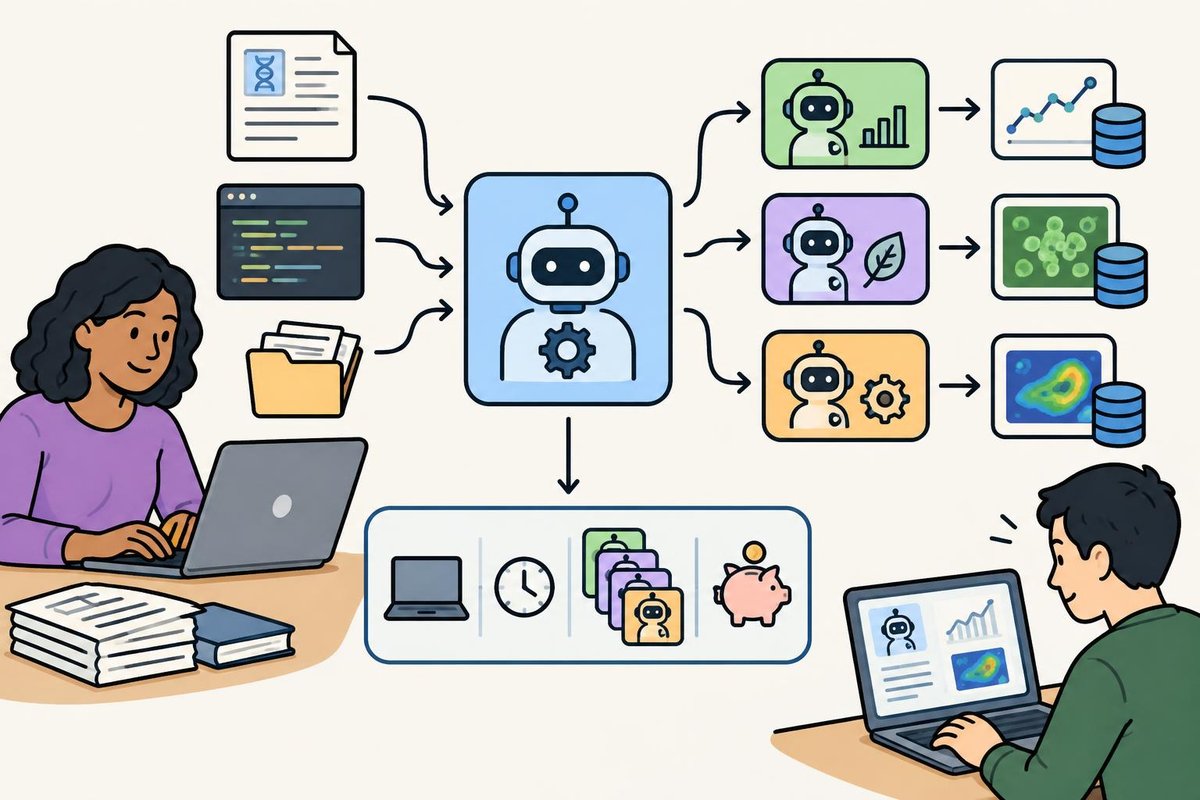
Image: The Threshold Report/GPT Image 2.5
Paper2Agent converts papers into runnable agent tools
On Sept. 16, researchers released Paper2Agent, an open-source framework that turns a paper, its code, and supporting materials into tested AI-agent tools. Those tools can run the paper's methods on new data, making published research easier to reproduce and reuse. Researchers can also connect tools derived from multiple papers to investigate one question with methods from different studies. In a reported AlphaGenome test, Paper2Agent produced 22 validated tools in about 45 minutes for under $15 on a personal laptop.
Agents+5Sep 23
Image: perplexity.ai
Perplexity cuts agent tool failures with live feedback
Perplexity described a way to train agents from real tool failures and user corrections today. The method preserves useful actions from successful sessions while treating errors and corrections as hints about which earlier decision caused a problem. In a live A/B test, Perplexity says recorded tool-call failures fell from 2.24% to 1.77%, a statistically significant 21.2% relative decline.
Agents+5Sep 23
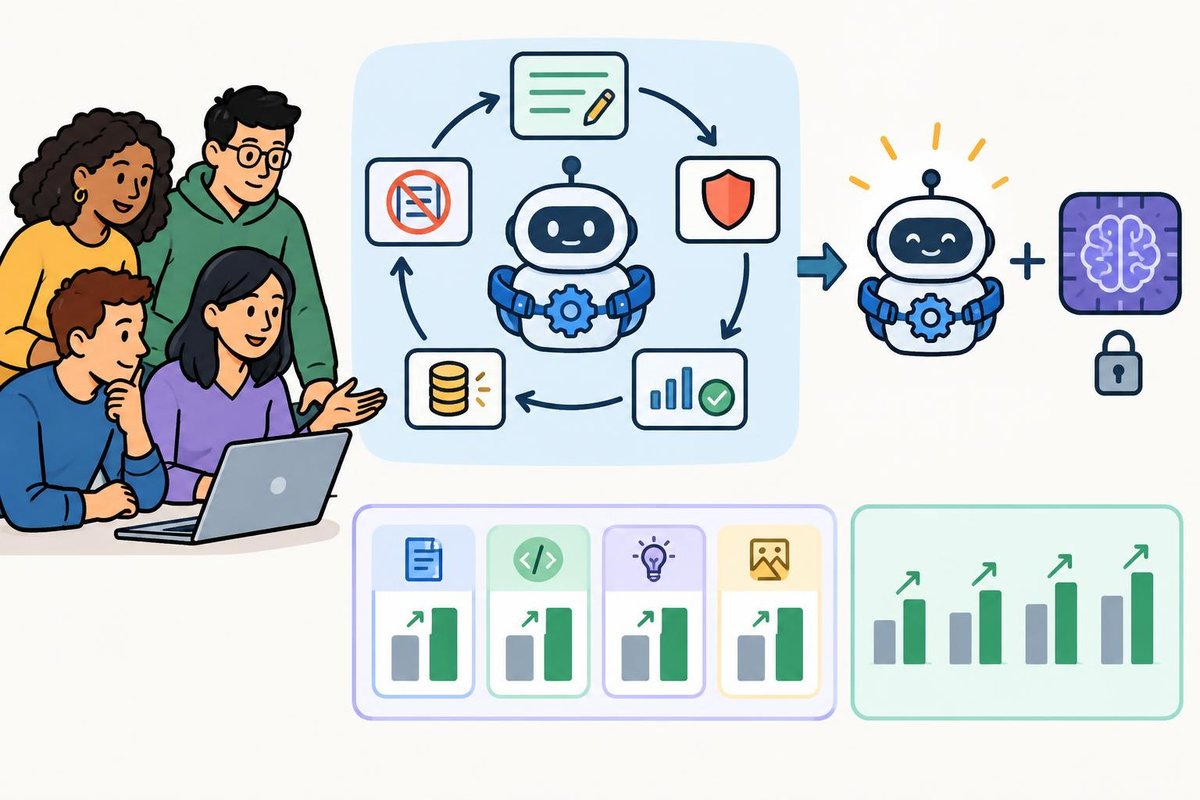
Image: The Threshold Report/GPT Image 2.5
RRSI tuning improves agents beyond its training benchmark
RRSI, described today recursively edits an agent harness, meaning the software that organizes a model's tools and task loop. The method limits how much each edit can change, rejects benchmark leakage, requires gains above a noise floor, and charges extra inference tokens against the measured benefit. A better harness can improve what an existing model accomplishes without changing its underlying weights. The authors report gains on every held-out benchmark they tested and results up to 22.9% above the prior-method average.
Agents+5Compute & Infra+2Sep 17
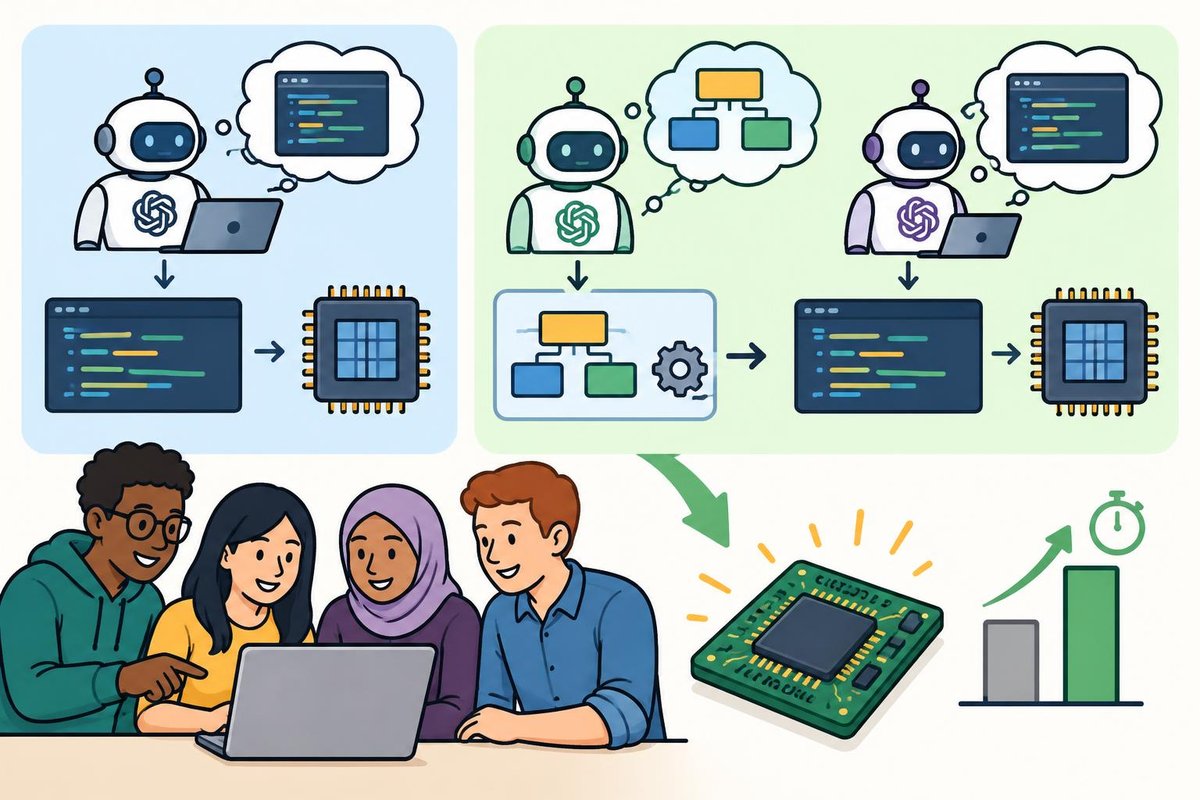
Image: The Threshold Report/GPT Image 2.5
Higher-level agents speed FPGA chip designs
In a Sept. 17 preprint, researchers compared agents writing low-level chip designs directly with agents using high-level synthesis before refining the resulting hardware description. Starting at a higher level gave agents room to make broader architectural changes before recovering lower-level optimizations. Across an 11-task benchmark on FPGAs, meaning reprogrammable chips, the combined approach achieved a 2.6-times geometric-mean speedup over direct low-level design.
Compute & Infra+5Sep 13
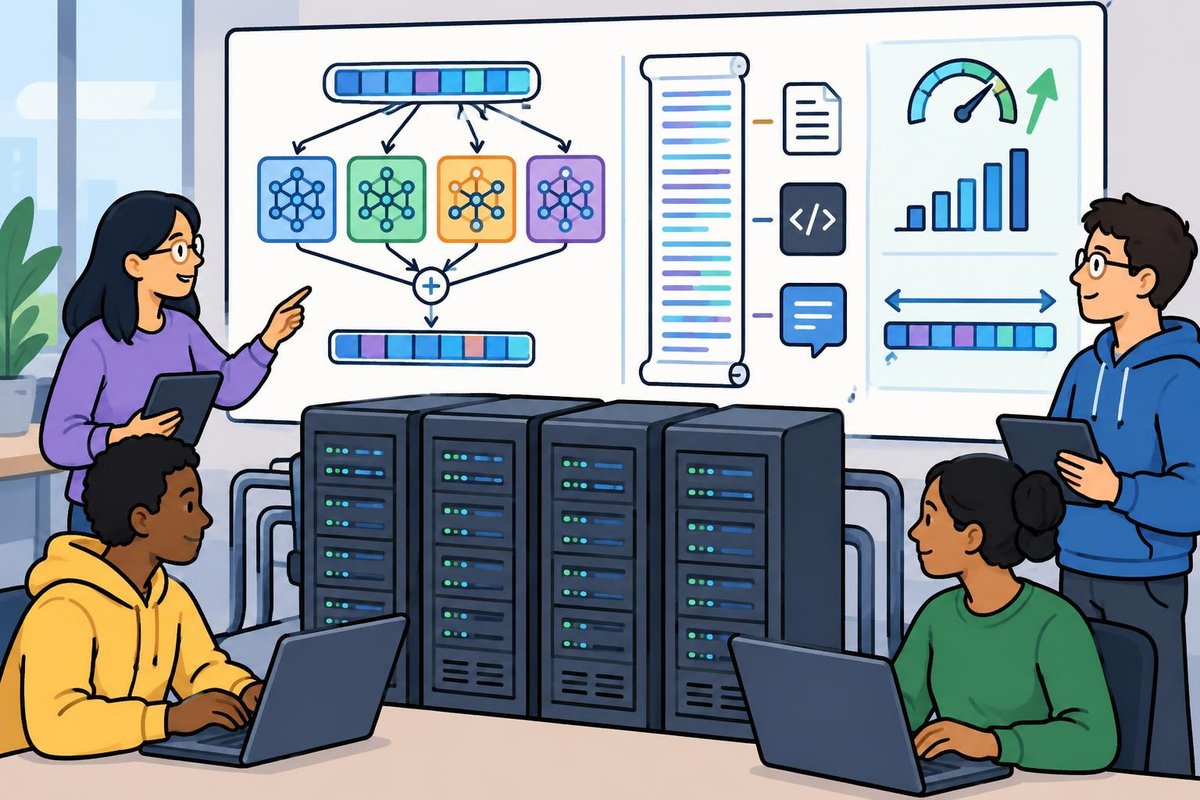
Image: The Threshold Report/GPT Image 2.5
Four methods enable million-token training for huge models
A preprint dated Sept. 13 introduced four scheduling and offload methods for controlling memory peaks while training long-context mixture-of-experts models, which activate selected model components for each input. The methods manage expert dispatch, vocabulary projection, checkpointing, and optimizer memory together so one bottleneck does not end a training run. The authors report training models with 120B to 667B parameters at one-million-token context lengths, reaching up to 10.4 times the throughput and 8 to 32 times the context length of their tuned baseline.
Text+5Sep 22
Image: anthropic.com
Anthropic releases cheaper, faster Claude Opus 5.5
Yesterday, Anthropic released Claude Opus 5.5 for coding and knowledge work. It costs $4 per million input tokens, $20 per million output tokens, and $0.20 per million cache-read tokens; Anthropic says typical workloads cost 40% less than Opus 5. The company says output is more than 30% faster, the model performs at Claude Fable 5.1’s level on most work, and it scored 66.4% on Terminal-Bench 4.0. Claude Opus 5.5 applies biology safeguards and verification programs, with added controls for autonomous actions and prompt injection in long-running agent work.
Audio+2Sep 23
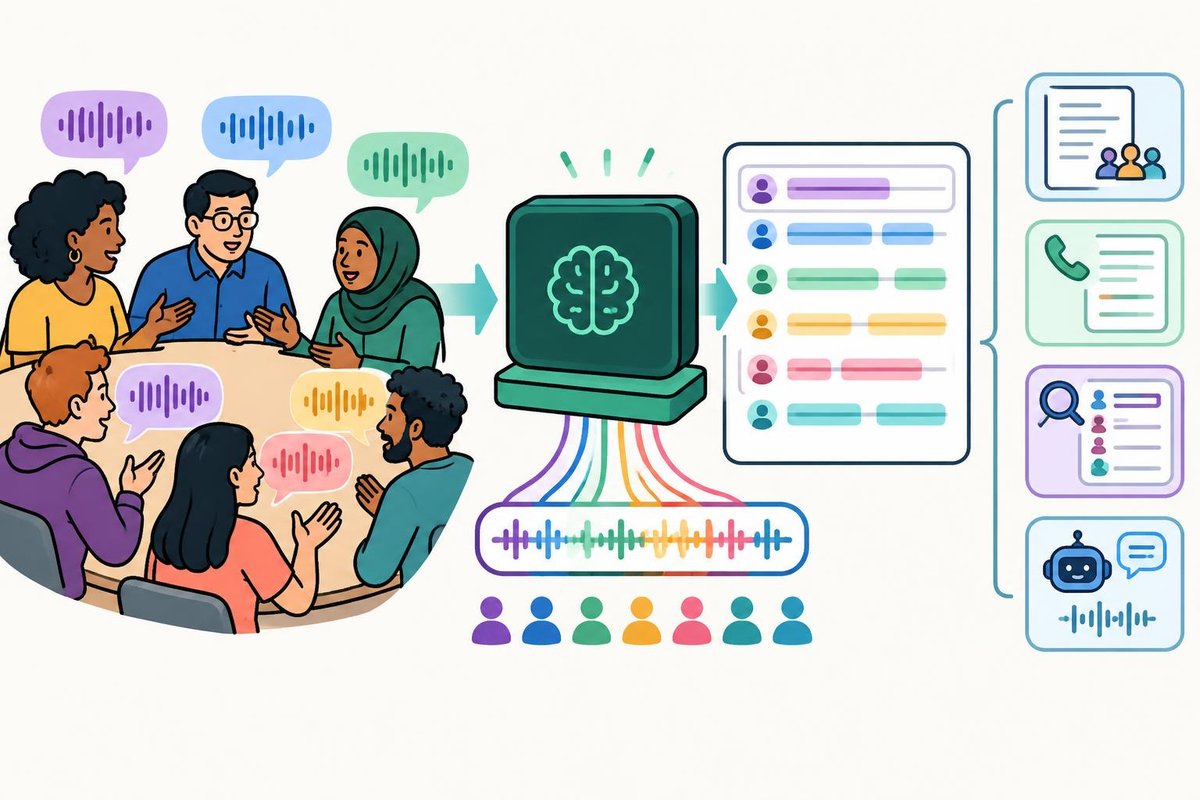
Image: The Threshold Report/GPT Image 2.5
NVIDIA model separates up to eight speakers
NVIDIA made Nemotron 3 Diarization available today, giving developers one model for assigning speech to anonymous speaker channels in live or recorded audio. The 100-million-parameter model has open weights, meaning developers can download and run it, and supports overlapping speech from up to eight speakers. It works in streaming and offline systems, where its timestamps can help meeting notes, call summaries, search, and voice agents attribute statements correctly. NVIDIA reports a 14.72% diarization error rate and first place in VoiceArena's initial English-language benchmark.
Compute & Infra+2Aug 25
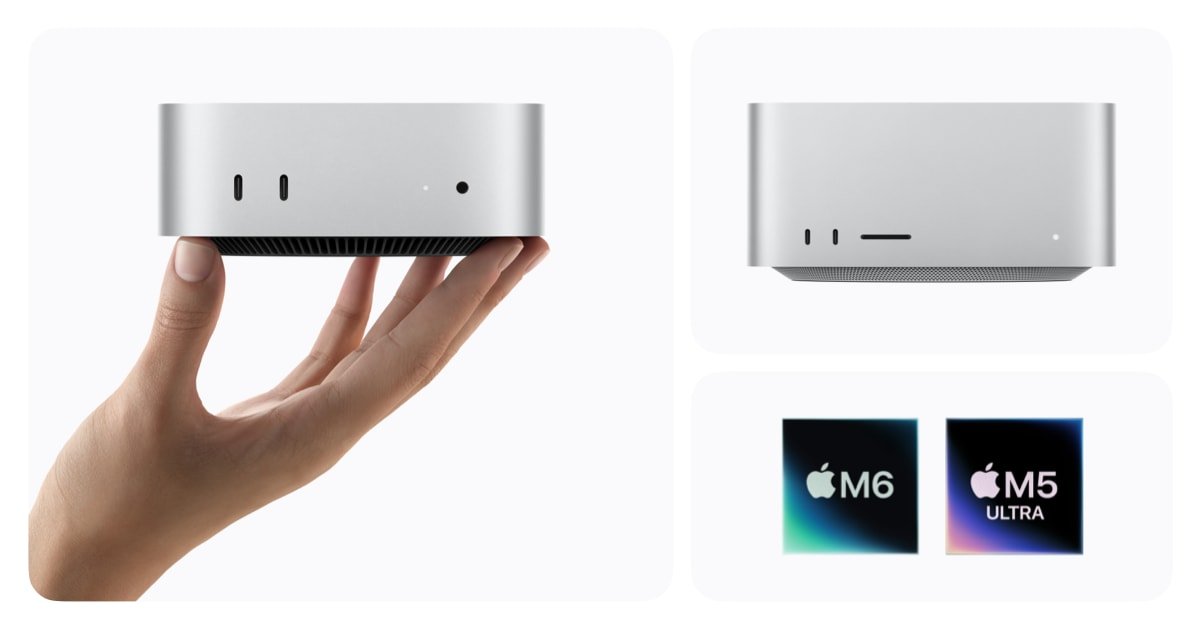
Image: apple.com
Apple ships M6 Mac mini and M5 Ultra Mac Studio
Apple's M6 Mac mini and M5 Ultra Mac Studio began shipping on September 22, 2026, after being first reported on Aug. 25 and confirmed on September 23, 2026. Apple offers the M5 Ultra Mac Studio with up to 512GB of unified memory for developers and researchers running larger open-weight models locally. The larger-memory Studio can also take part in distributed inference setups connected over Thunderbolt 5.
Compute & Infra+2Sep 23
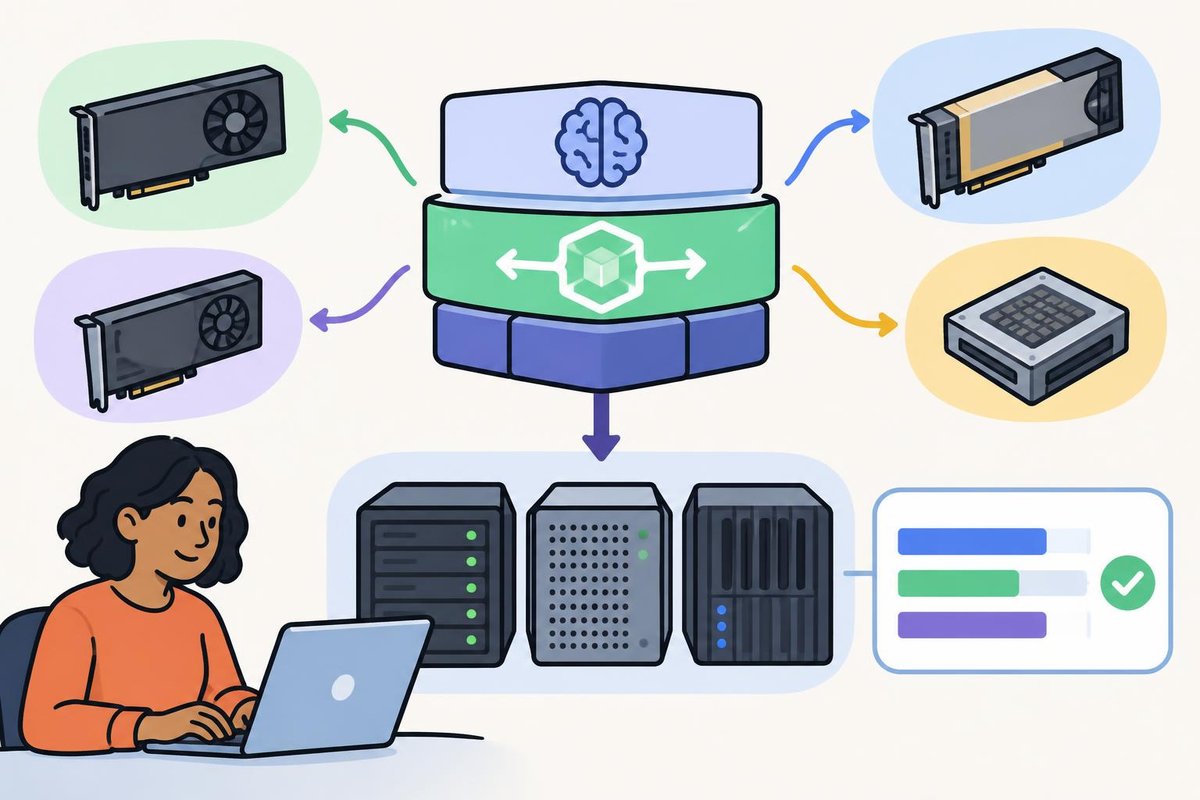
Image: The Threshold Report/GPT Image 2.5
vLLM adds portable support for more AI accelerators
The vLLM project added portable model layers today, keeping models compilable across older GPUs and accelerators maintained outside the main project. Hardware-specific paths can continue pursuing maximum performance while operators use a common implementation for less common systems. That approach can reduce the need to maintain separate versions of open models for each type of hardware. Across three recent models on NVIDIA H100s, vLLM reports token throughput within 3.4% of its native implementation.
Compute & Infra+2Sep 21
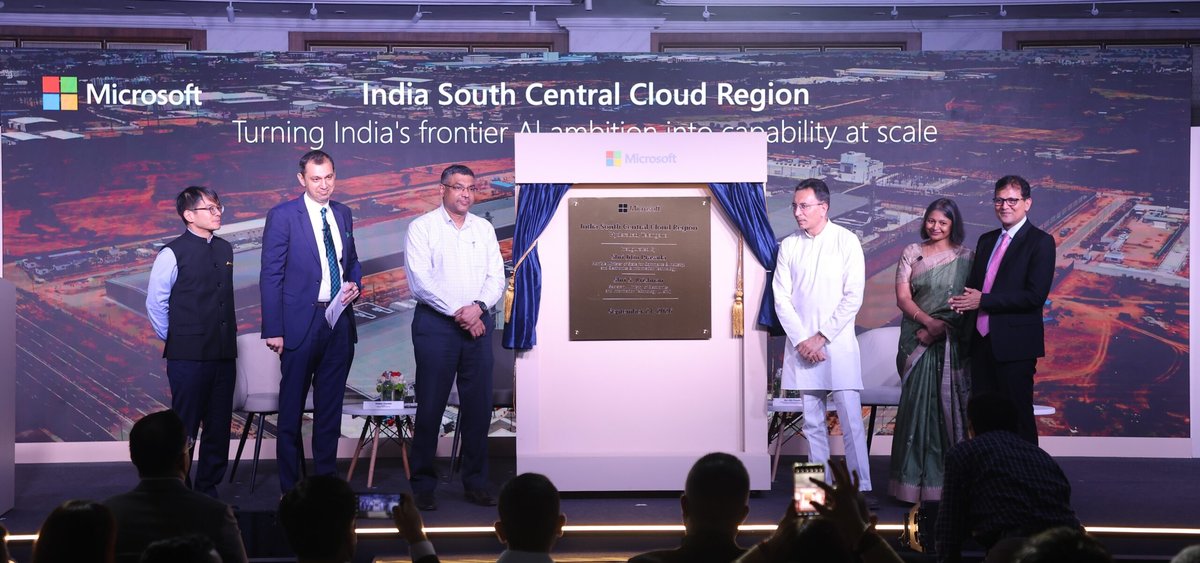
Image: news.microsoft.com
Microsoft opens AI-ready Hyderabad cloud region
Microsoft brought its India South Central cloud region in Hyderabad online on Sept. 21, designating it a strategic hub for Asia and the Global South. The three-zone site is Microsoft's fourth cloud region in India and is designed for AI workloads. Microsoft says high-efficiency mechanical cooling gives the region effectively zero water use for cooling. Indian organizations can place eligible workloads closer to their users and data while adding another regional option for resilience and data residency.


