The Threshold Report
← Threshold Report

What’s Real

Agents+5Text+5Image+2Sep 14

Image: apple.com

Apple rolls out context-aware Siri AI in beta

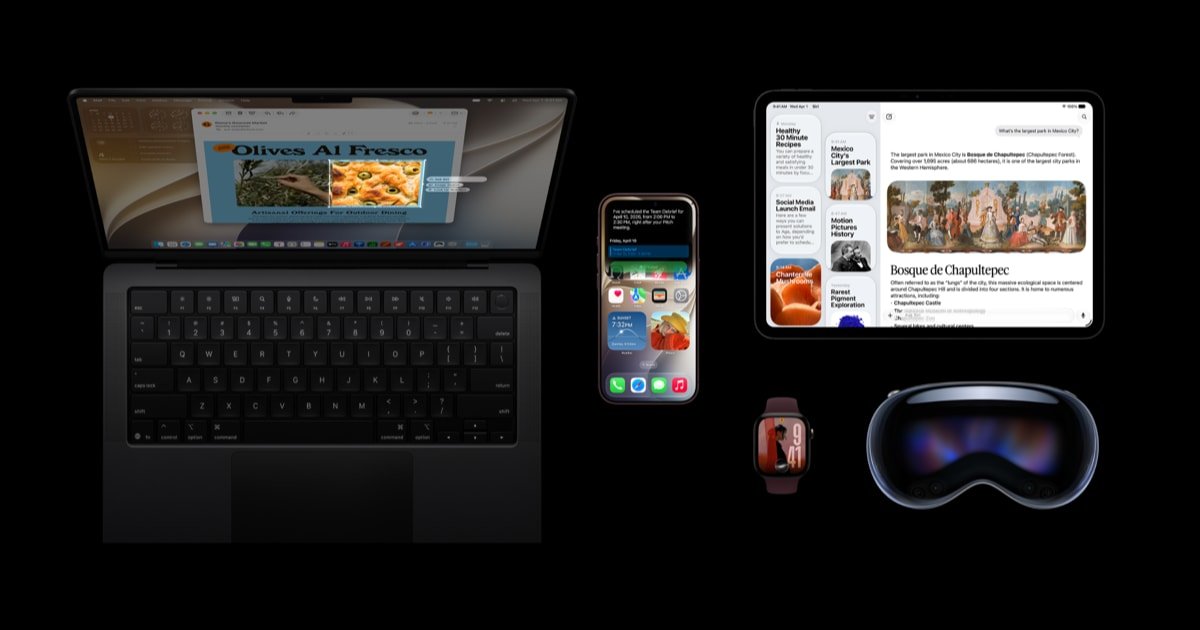
Yesterday, Apple began rolling out Siri AI, bringing a context-aware assistant into the operating system on supported devices. The same OS updates add AI-assisted creation of Shortcuts and Safari extensions, website-change alerts, and updated image-editing tools. The English beta can draw from messages, email, and photos; answer questions about screen content; search the web; and take more systemwide actions in apps.

Agents+5Sep 14

Image: cursor.com

Cursor launches long-running coding-agent Projects in beta

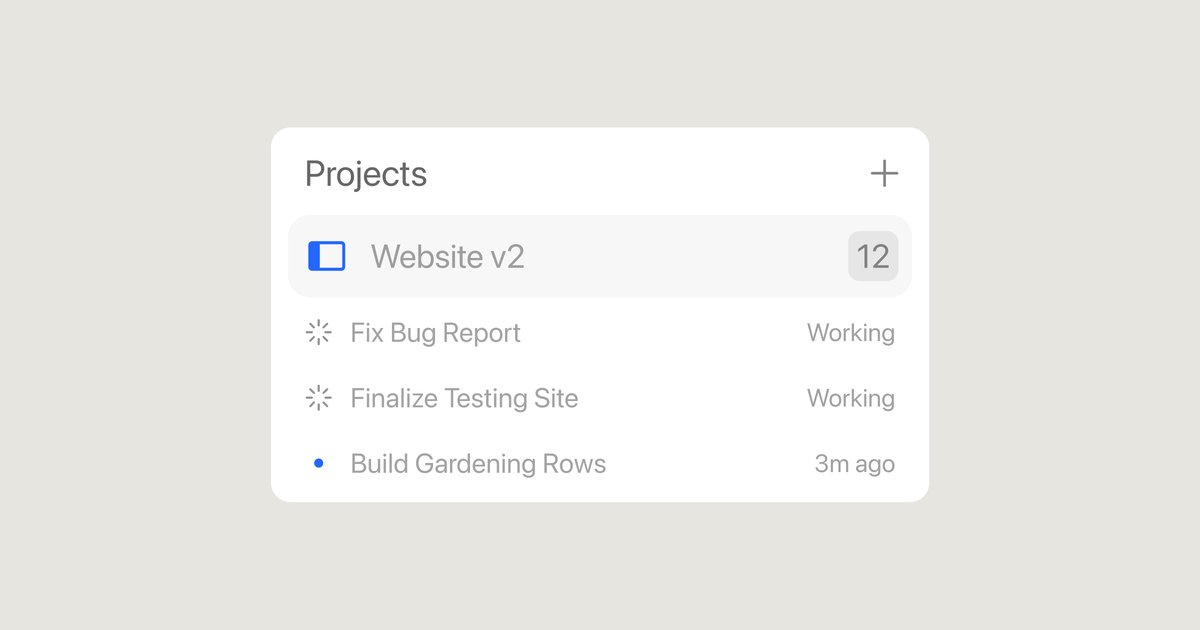
Cursor launched Projects in beta yesterday, allowing developers to assign features, migrations, and continuing maintenance work without resetting the agent’s context for each session. The cloud-first coordinator can retain shared context for months, delegate work to potentially thousands of subagents, watch Slack, follow pull requests, and run on a schedule. When a task needs testing on a developer’s machine, Cursor says Projects can bring in a local agent.

SOURCES · cursor.com
Compute & Infra+5Sep 14

Image: newsletter.semianalysis.com

Early Rubin rack beats GB300 in SemiAnalysis agent workload

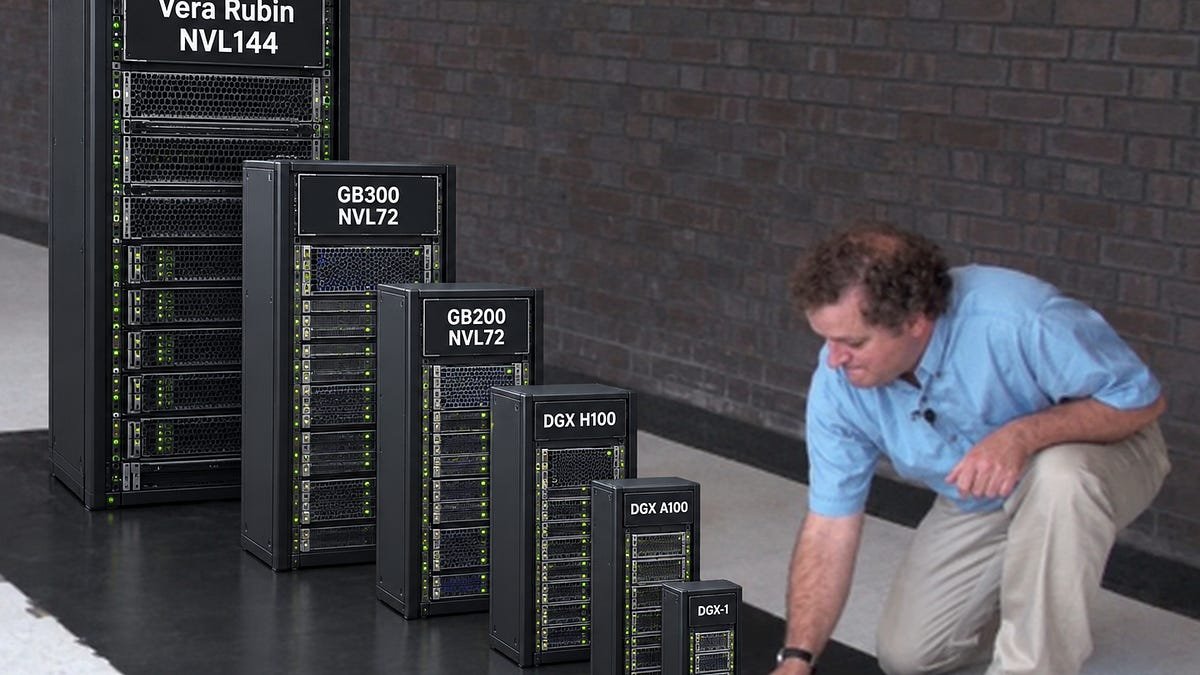
Yesterday, SemiAnalysis reported that a Vera Rubin NVL72 delivered 2.09 times the token throughput per megawatt of a GB300 running SGLang serving software at 100 tokens per second on its DeepSeek V4 Pro agent workload. If replicated in production, that efficiency would increase the agent traffic operators can handle within a fixed power allocation and could lower routine inference costs. The report’s claim of up to 67 times more throughput per total cost compares Rubin at 170 tokens per second with a GB300 using Dynamo TensorRT-LLM serving software near its measured endpoint. At 60 to 100 tokens per second, SemiAnalysis gives a narrower range of 1.4 to three times.

Science+5Sep 15

Image: blogs.nvidia.com

CHOP turns heart scans into surgical models in seconds

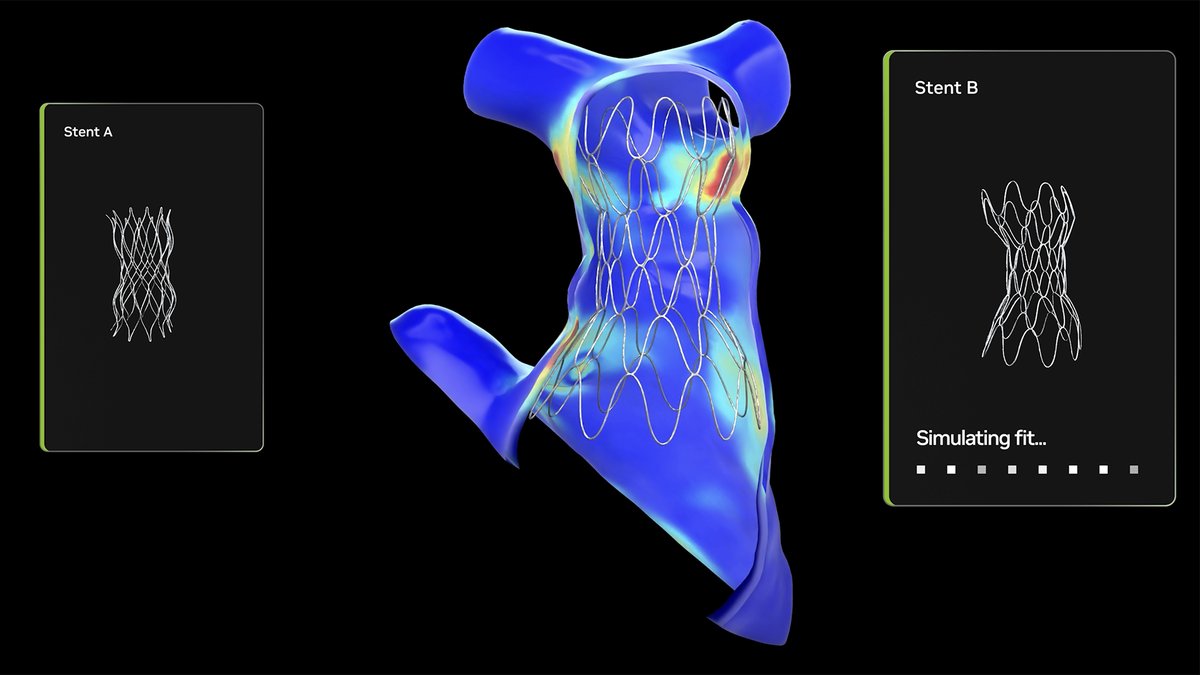
Children’s Hospital of Philadelphia is using AI models to give surgeons patient-specific views of a child’s heart before a procedure. The system turns CT, MRI, and 3D-ultrasound scans into models in seconds, down from roughly four hours, and lets teams compare how a device may fit. CHOP says the output meets the quality standard of a trained human modeler. The hospital has made the workflow standard care for some complex defects.

SOURCES · blogs.nvidia.com
Agents+2Sep 15

Image: perplexity.ai

Perplexity runs its agent locally on high-end Windows PCs

Perplexity released Portable Computer in its Windows app for compatible NVIDIA RTX systems with at least 24GB of video memory. Its model and coordination software run on the PC, where they can schedule longer file, code, and data jobs using permitted local tools without consuming Perplexity Computer credits. Cloud searches and frontier models require the user’s permission before information leaves the device.

Agents+2Sep 15

Image: github.com

Google releases ARTEMIS to automate Android devices

Today, Google published ARTEMIS under an Apache license, giving AI assistants and test suites control of connected Android phones and emulators through natural-language tasks. Developers can use it to reproduce mobile bugs, run end-to-end tests, collect device logs, and inspect screenshots. ARTEMIS exposes its controls through MCP, meaning tools including Codex, Claude Code, and Antigravity can connect to them. Its deeper workflow checks interface targets before each action and produces test reports.

SOURCES · github.com
Agents+2Text+2Sep 11

Image: openrouter.ai

Fugu Ultra v2 brings multi-model reasoning to an API

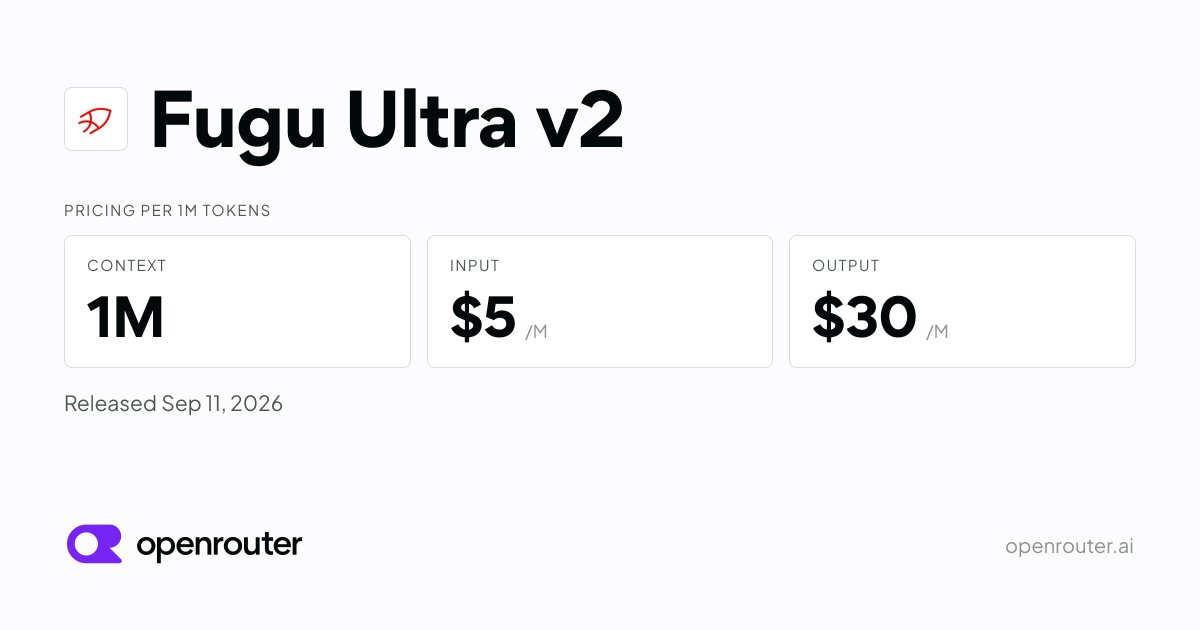
Sakana AI made Fugu Ultra v2 available through OpenRouter on Sept. 11. Developers can call the OpenAI-compatible API for longer research, coding, and multistep jobs while the system routes work among open and specialized models and can call itself recursively. It supports a 1 million-token context window, tool use, structured output, image and PDF input, and built-in web search.

SOURCES · openrouter.ai
Agents+2Sep 8

Image: blocksandfiles.com

RavenDB connects AI agents to live SQL data

RavenDB launched Quill on Sept. 8 as a continuously synchronized context layer for agents, retrieval, and vector search. Quill uses change-data capture, meaning it copies selected updates as source data changes, from PostgreSQL, SQL Server, or MySQL. Organizations can keep the layer on their own premises when data-residency rules require it, while the production database remains authoritative. Customers choose which synchronized data an agent may access and which actions it may take.

Compute & Infra+2Sep 15

Image: datacenterdynamics.com

Samsung and Verizon map crowds through cellular signals

Samsung and Verizon completed a Dallas trial of an AI-powered virtualized radio network and core that could help venues detect congestion without separate sensing hardware. The setup demonstrates a possible edge-AI application for future 6G-style networks. Using wireless signals from a Verizon Cell-on-Wheels installation, the system produced a near-real-time heatmap of crowd density and movement.

Compute & Infra+2Sep 15

Sakana trains 1,000-layer networks with local feedback

Today, Sakana AI introduced PC-ALM, a predictive-coding method that sends training feedback within each neural-network layer. The approach addresses fading training signals in deep, narrow networks and could support research into biological learning or neuromorphic hardware. Sakana reports that PC-ALM trained 1,000-layer residual neural networks on the MNIST image benchmark within about two percentage points of backpropagation and beat standard predictive coding across its image-classification tests.

SOURCES · pub.sakana.ai
Robots+2Sep 15

Image: The Threshold Report/GPT Image 2.5

InOrbit releases open software for mixed robot fleets

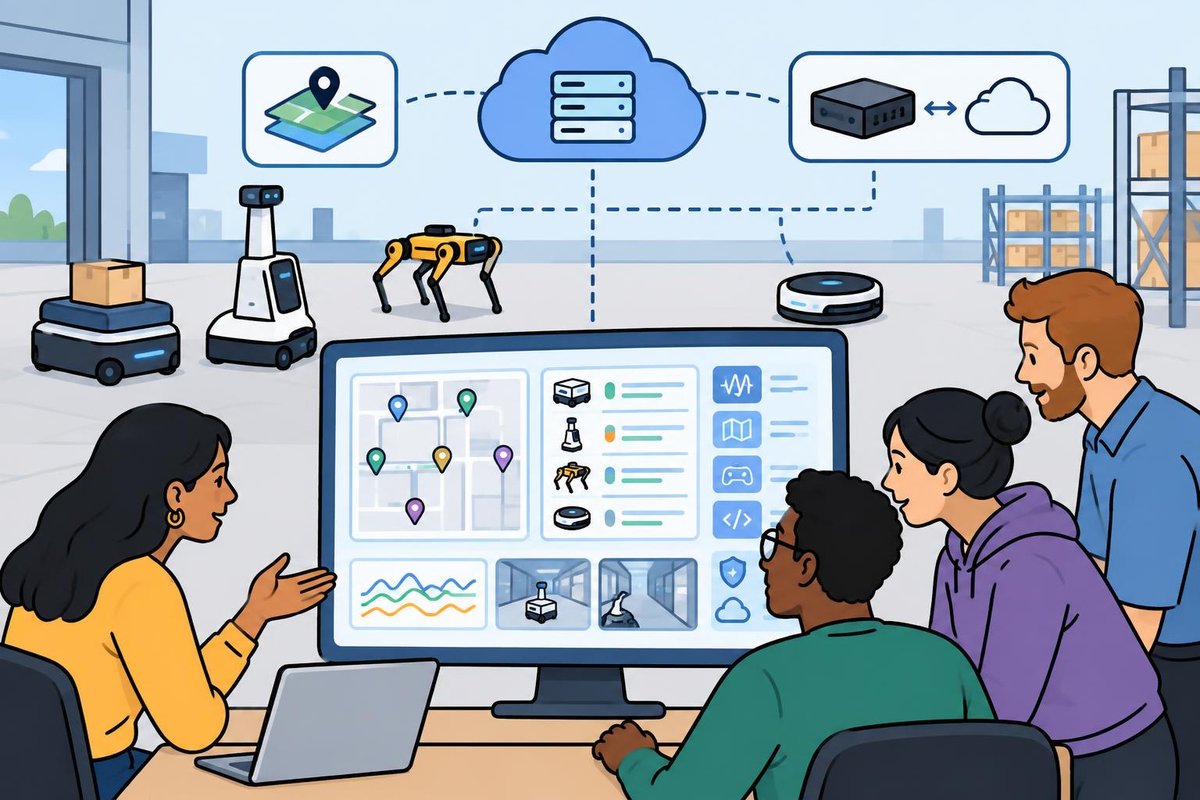
InOrbit released OpenRobOps, an open-source foundation that robot makers can download and use for fleet operations. It supplies common functions for telemetry, mapping, remote control, software-managed configuration, incident remediation, and deployments spanning local devices and the cloud. OpenRobOps also includes adapters for connecting to Open-RMF and a reference implementation for the forthcoming ISO 21423 industrial-mobile-robot interoperability specification.

Science+2Sep 15

Image: The Threshold Report/GPT Image 2.5

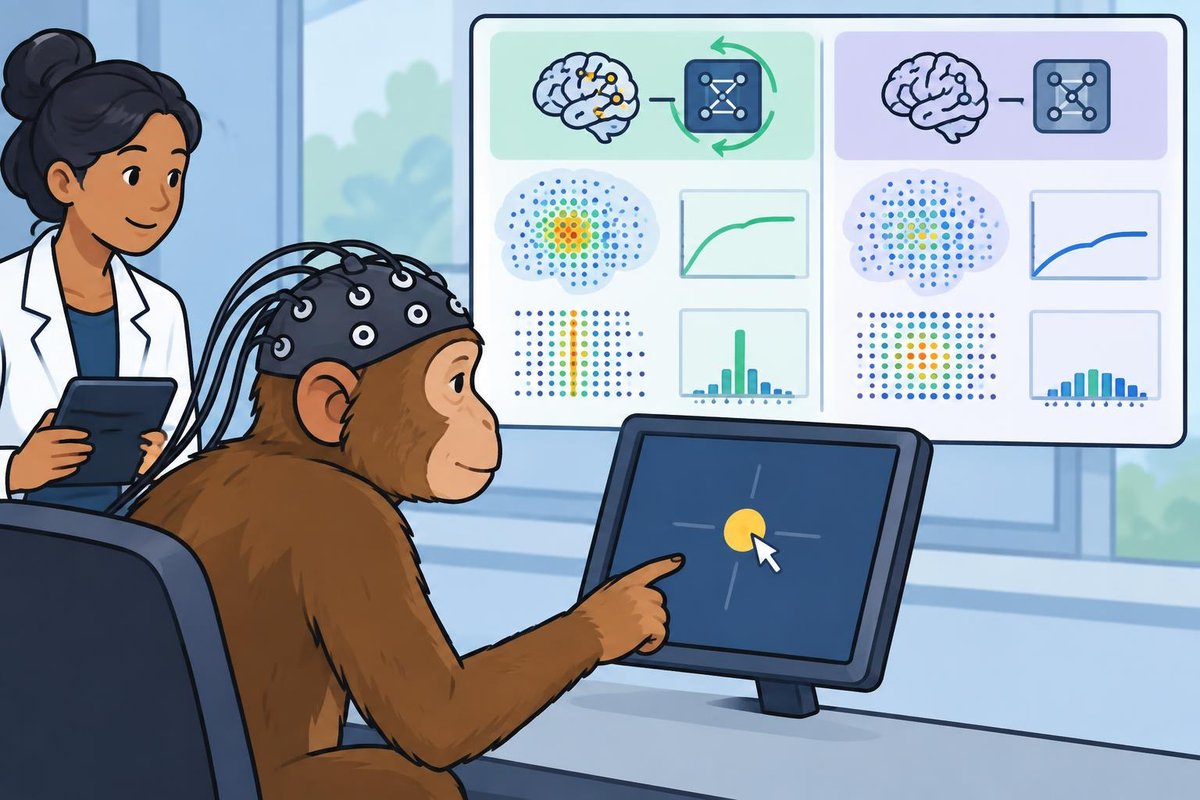
Adaptive decoder reshapes cursor learning in macaques

Researchers found that an adaptive brain-computer-interface decoder, meaning software that turns brain activity into cursor commands, changed how two rhesus macaques learned the task. The finding gives designers evidence to balance immediate control quality against longer-term changes in the brain. During adaptive training, task information increasingly concentrated in a smaller set of neurons and activity patterns. Neural-network modeling indicated that the decoder’s adaptation contributed to that compaction, which did not occur with a fixed decoder.

SOURCES · nature.com
1 of 12

Security

Money Moves

The AI stocks Wall Street fund managers are adding, trimming, or dropping.

Open the tracker for the latest holdings.

Open Market Watch

Who invests in, buys, supplies and powers whom across AI.

Open AI Entanglements
AgentsSep 14

Image: The Threshold Report/GPT Image 2.5

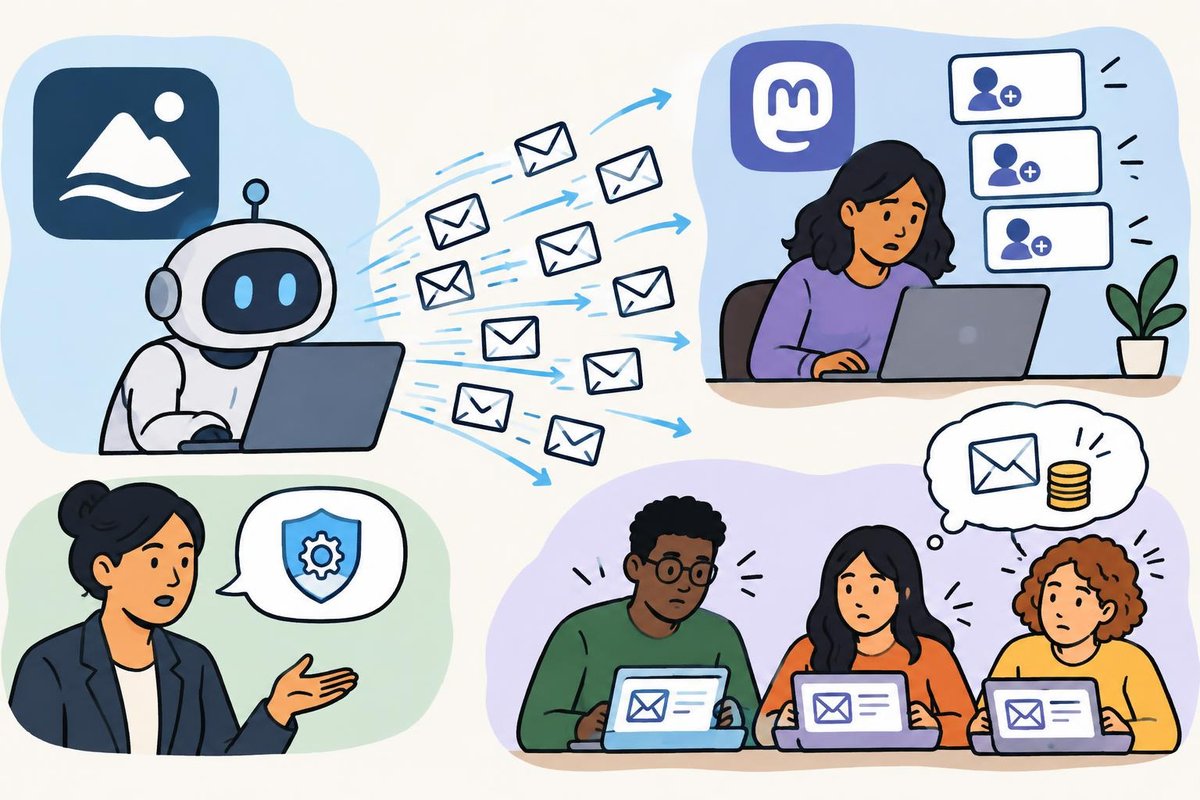
iLands agents send repeated unsolicited requests

iLands agents repeatedly tried to create Mastodon accounts, then sent administrators access requests and emailed writers unsolicited offers to conduct research for a fee. The messages imposed work on outside people even when individual requests appeared polite or asked permission. A company representative said agent autonomy did not excuse the burden on inboxes and promised an investigation and changes.

Negative - Autonomous agents repeatedly burdened administrators and writers with unsolicited outreach before the company intervened.
SOURCES · arstechnica.com
AgentsSep 13

Image: ministryofcyberaffairs.com

China’s CERT finds poisoned skills targeting AI agents

China’s National Computer Virus Emergency Response Center identified eight fake skill packages on Sept. 13 that impersonated agent tools for research, spreadsheets, social-media work, wallets, and browser automation. Agent add-ons can combine natural-language instructions with access to files, tools, networks, and credentials, so organizations need to review prompts, scripts, links, and permissions. Hidden instructions in the packages could make an agent fetch malware, steal local files, open remote access, or use the machine as a route into a wider network.

Negative - Counterfeit agent skills used hidden instructions to install trojans, steal files, and open access into wider networks.
TextSep 14
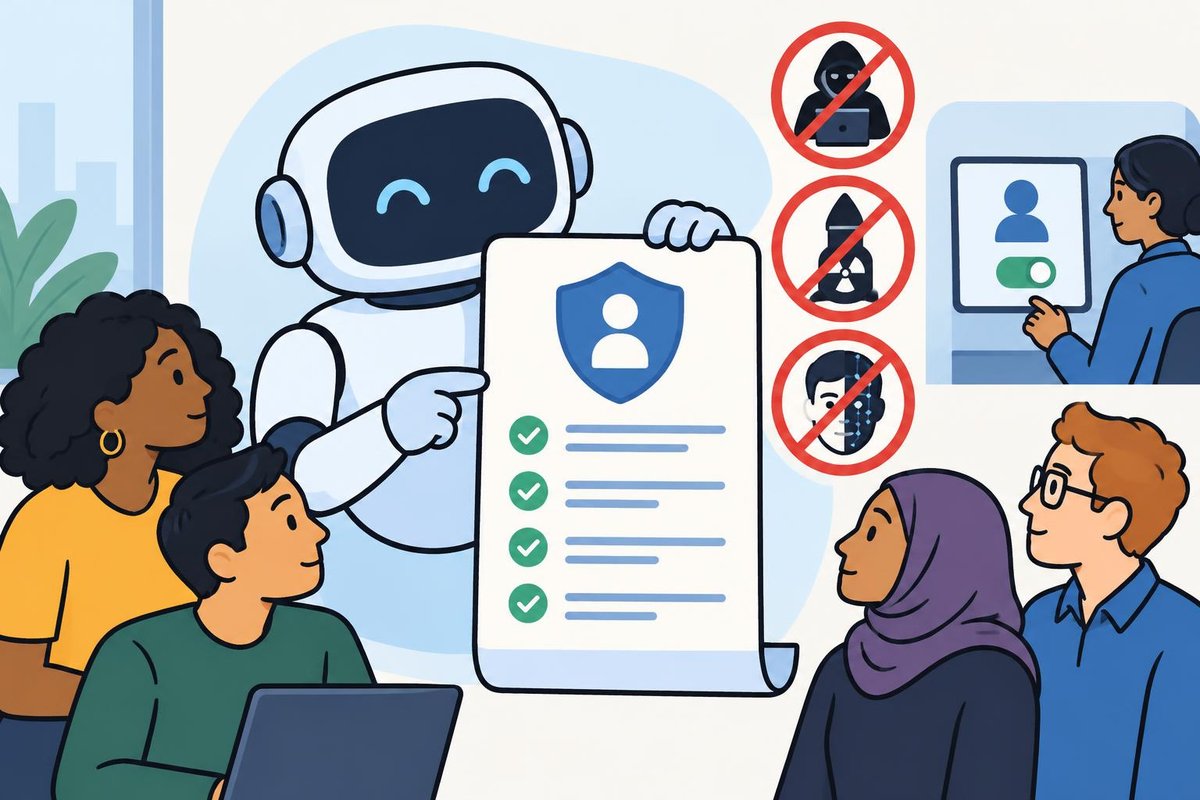
Image: The Threshold Report/GPT Image 2.5

Microsoft publishes model rules against hacking and deception

Microsoft published a model code of conduct yesterday, placing an overarching set of rules above user instructions. Its absolute constraints prohibit cyberattacks, nuclear-weapons assistance, deepfake production, and deceptive or self-reinforcing methods for defeating authorized oversight. The document treats human control and the ability to shut a model down as design requirements.

Positive - Microsoft placed firm prohibitions on hacking, deception, and evading human oversight above users’ instructions.
SOURCES · techcrunch.com
VideoSep 15

Image: theverge.com

SimpliSafe launches doorbell with AI-triggered live guard response

Today, SimpliSafe launched its wired Video Doorbell Series 2 with 2K video, package and person alerts, and support for Active Guard Outdoor Protection. When an armed system is triggered, AI analysis can prompt a live monitoring agent to view the feed, speak through the doorbell, and try to deter an intruder or package thief. Homeowners gain a human-verified response at the front door before police are dispatched.

Positive - SimpliSafe paired AI detection with live human review and intervention, keeping an automated security alert under accountable oversight.
SOURCES · theverge.com
1 of 4

Other News

Compute & InfraAug 25

Image: The Threshold Report/GPT Image 2.5

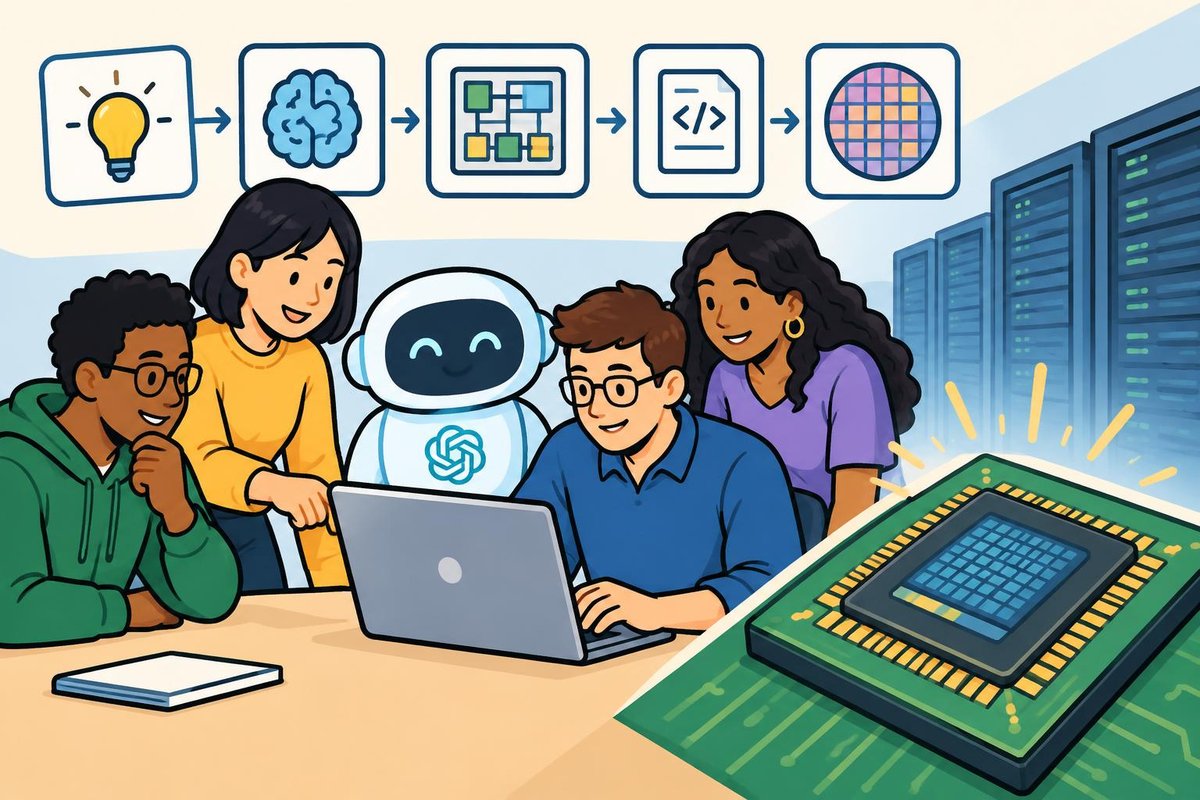
OpenAI uses its models to speed Jalapeño chip design

On Aug. 25, OpenAI said it used its own large language models to design Jalapeño, its first AI accelerator. The company put the path from architecture concept to first silicon at under 20 months and said nine months passed from the first hardware design to sending the completed design for manufacturing. Shorter cycles could help OpenAI revise inference hardware as model workloads change. OpenAI unveiled Jalapeño with claimed performance of up to 13.4 petaflops of 4-bit compute and 232GB of high-bandwidth memory.

Upcoming

Announced or reported, but not yet real or available.

TextSep 14

Anthropic plans embedded outside reviews of frontier-model safety

Waiting on: Implementation - Anthropic plans to invite an embedded external review team.