The Threshold Report
← Threshold Report

What’s Real

Agents+5Sep 14

Image: The Threshold Report/GPT Image 2.5

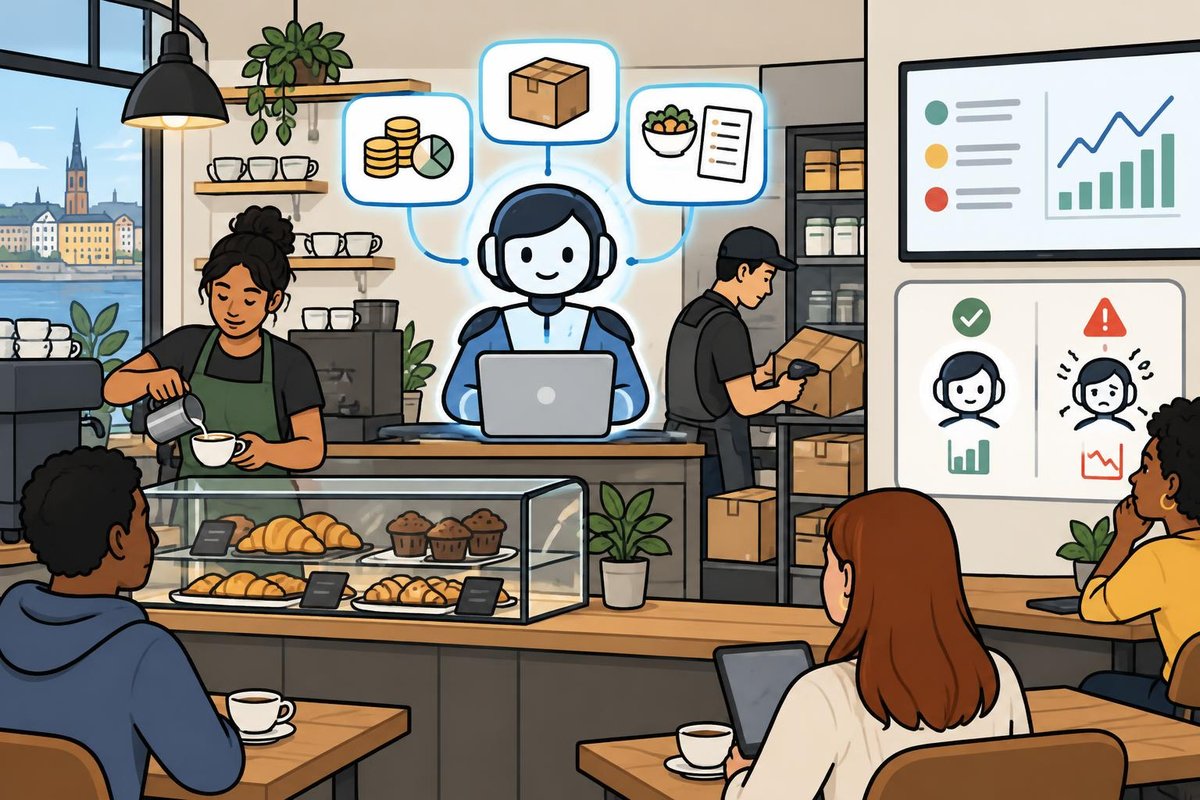
Andon Labs puts an AI agent in charge of a café

Andon Labs said today that it is using real businesses to measure how much autonomy current AI agents can handle. At a Stockholm café, an agent named Mona manages the budget, orders supplies and sets the menu while human employees operate the site. Real costs and operational consequences reveal where the agent makes useful decisions and where it fails.

Compute & Infra+5Sep 14

Image: en.sedaily.com

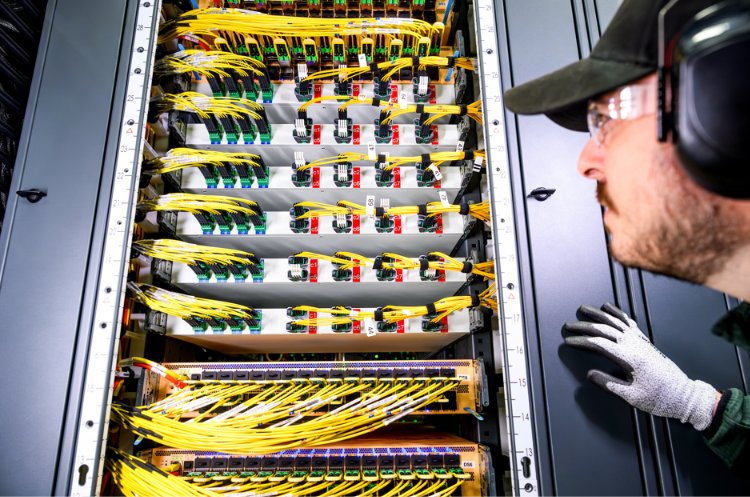
AWS deploys lower-latency fiber across more than 10 data centers

AWS said today that it has deployed hollow-core optical fiber across more than 10 data centers since 2024. The air-filled fiber carries data with latency of 3.3 to 3.5 microseconds per kilometer, compared with about 5 microseconds for conventional fiber, or roughly 30% less delay. Faster links can keep chips synchronized while large AI clusters spread across separate buildings because of power, land or water constraints.

SOURCES · en.sedaily.com
Compute & Infra+5Video+5Audio+2Sep 14

Image: The Threshold Report/GPT Image 2.5

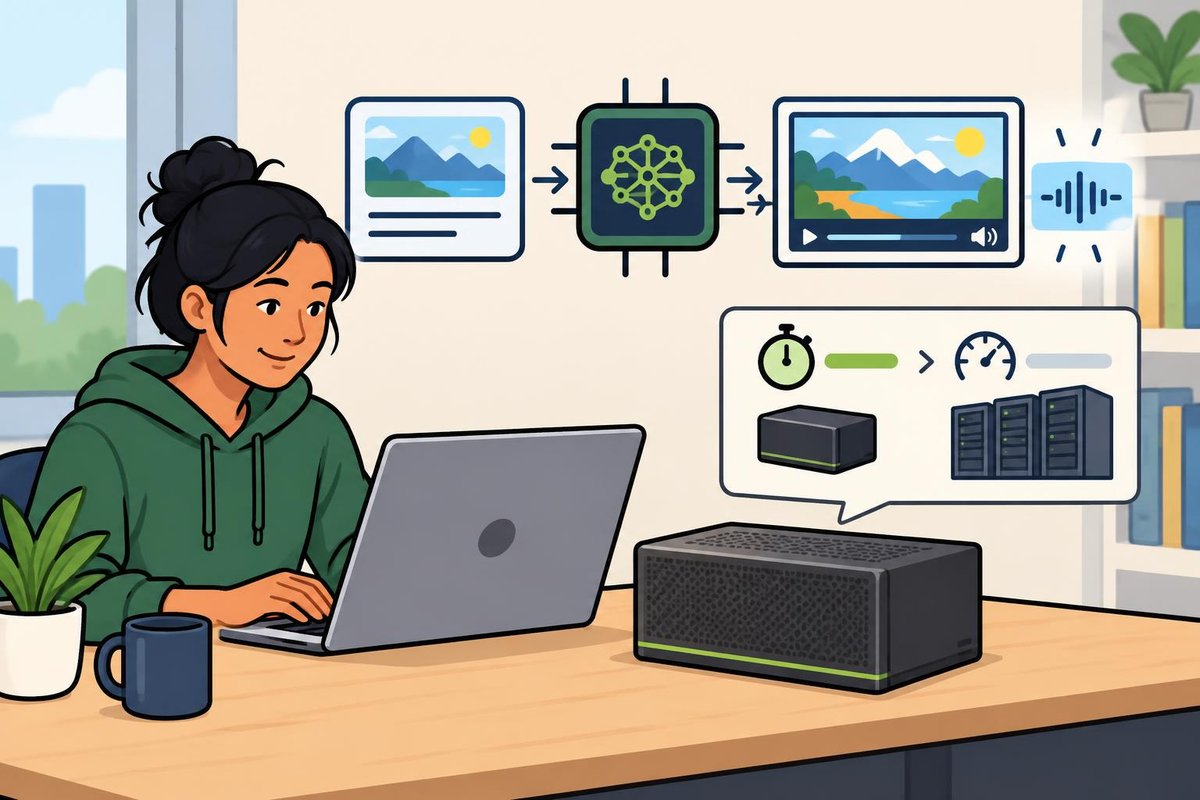
Sol-H3 runs local video generation on one DGX Spark

Sol-H3 runs a two-stage video-and-audio pipeline on one NVIDIA DGX Spark, following its release by NVIDIA Research today. That compact Blackwell system produced a five-second 768p MiniMax-H3 result in 56.17 seconds, showing the benchmark can run locally without a large GPU cluster. NVIDIA Research included prompt encoding in the end-to-end test and reported a 6.7-fold speedup over its quantized four-step baseline.

SOURCES · nvlabs.github.io
Robots+5Sep 1

Image: skild.ai

Skild confirms S1 learns some robot tasks from one video

Skild AI says S1 can learn some previously unseen, longer manipulation tasks from a single video prompt. The model was first reported on Sept. 1 and confirmed by Skild AI on September 14, 2026, when the company said it was working with commercial partners. Learning from one video could reduce task-specific post-training and direct robot programming. Skild trained S1 on teleoperation, human video, simulations and data-capture gloves, and says it works across several robot body types.

Agents+2Sep 11

Image: The Threshold Report/GPT Image 2.5

Roblox expands prompt-built games to Serbia and Singapore

Roblox expanded Build from New Zealand to Serbia and Singapore on Sept. 11. The generative AI game-creation tool now has desktop access, an asset library and iterative controls, letting users create games from natural-language prompts. More people can begin making games through prompts, while Roblox works toward distributing creators’ games beyond its own platform.

SOURCES · techcrunch.com
Compute & Infra+2Sep 14

Image: datacenterdynamics.com

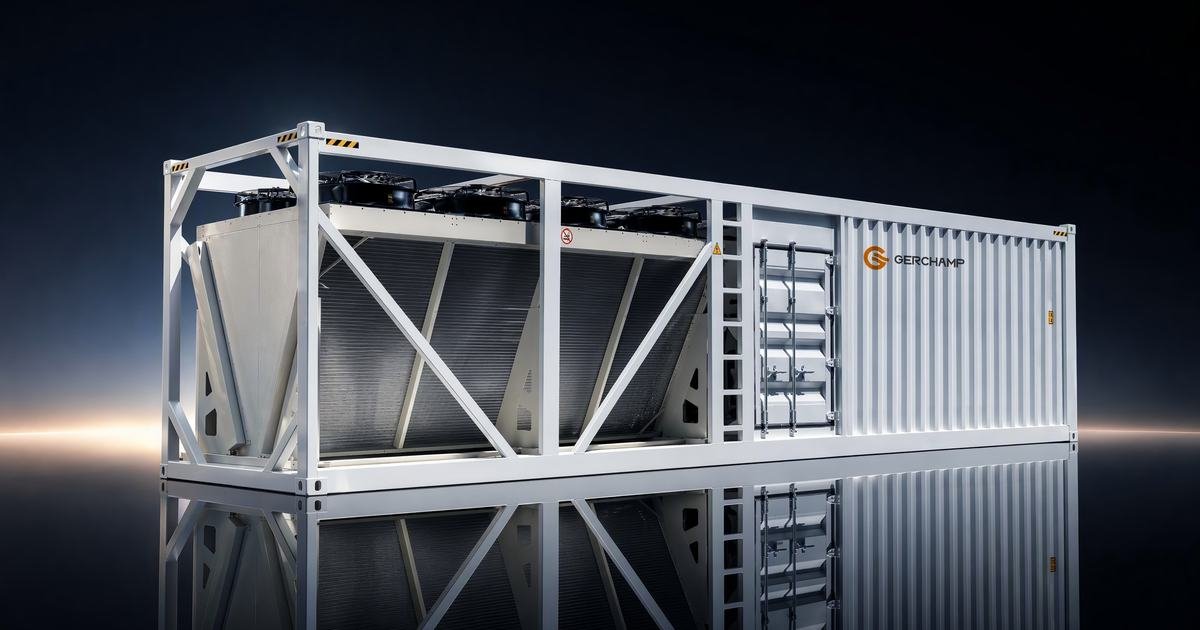
Gerchamp launches modular AI data centers up to 3.5MW

Gerchamp launched a factory-assembled AI data-center portfolio today for organizations that have available power but limited space. The systems range from a 500kW single container to 3.5MW multi-container deployments for edge, on-premises and remote sites. Each combines power distribution, liquid cooling at the chips, backup power, battery management and data-center controls. Gerchamp says a 500kW installation can support up to four NVIDIA NVL72 racks.

Compute & Infra+2Aug 18

Image: The Threshold Report/GPT Image 2.5

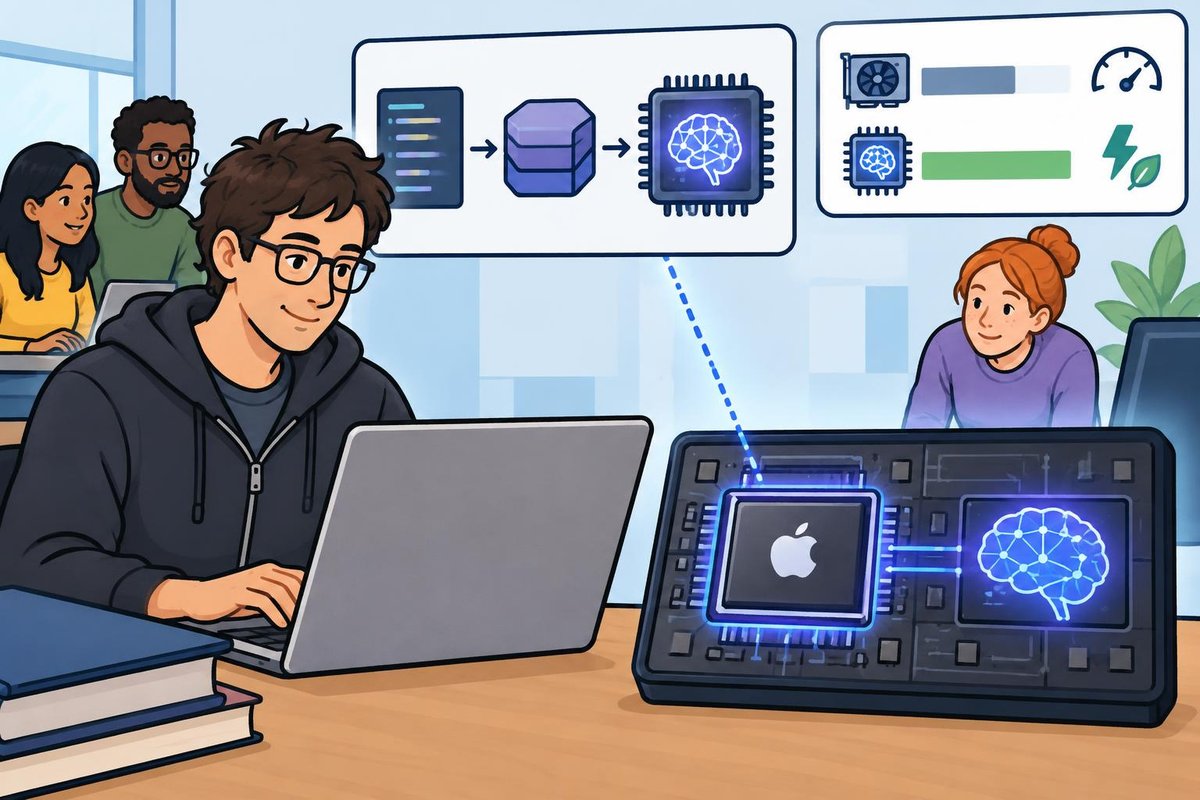
ANEForge opens direct access to Apple’s Neural Engine

Georgia Tech researcher Spencer H. Bryngelson released ANEForge and a reverse-engineering guide on Aug. 18. The open-source runtime, meaning anyone can download and modify it, lets ordinary user processes reach Apple’s Neural Engine below Core ML. Researchers and developers can directly inspect the compiler, firmware, instruction path, performance limits and energy use of the on-device machine-learning accelerator. On an M1 Max, the guide reports that a 256-channel 3×3 convolution ran about 3.8 times faster than on the chip’s GPU while using about one-ninth as much energy.

Robots+2Sep 5

Image: dronexl.co

Software update shortens Zipline drone trips and cools motors

Zipline sent an over-the-air update called Dynamic Flight Trajectories to its Platform 2 drones on Sept. 5. The aircraft now adjust their climbs and descents onboard after previously following fixed paths, potentially supporting more deliveries per charge and shorter turnaround times. Zipline’s fleet data put the median mission 48 seconds lower, average remaining battery energy 40.6 watt-hours higher and the hottest hover motor 8.9°C cooler. The new profile also spends less time in the loud transition phase and more time at greater altitude to reduce disruption for nearby residents.

SOURCES · dronexl.co
1 of 8

Security

Money Moves

The AI stocks Wall Street fund managers are adding, trimming, or dropping.

Open the tracker for the latest holdings.

Open Market Watch

Who invests in, buys, supplies and powers whom across AI.

Open AI Entanglements
AgentsAug 31

Image: theregister.com

AI-agent campaign compromises at least 395 PaperCut organizations

GreyNoise says an unknown attacker used hundreds of AI agents powered by OpenAI’s Codex tooling and a DeepSeek model to exploit two PaperCut MF/NG flaws. The campaign compromised at least 395 identified organizations across 440 instances in 48 countries, and GreyNoise traced its orchestration to Aug. 31. PaperCut received its first compromise report on August 27, 2026, issued emergency patches on August 28, 2026, and replaced them with security maintenance releases on September 10, 2026. GreyNoise says the attacker moved from an empty workspace to the first remote code execution, meaning the ability to run code on a target system, in under four hours. Once the campaign launched, at least 11 organizations were compromised in 26 seconds.

Negative - An attacker used fleets of AI agents to exploit PaperCut servers and compromise hundreds of organizations across 48 countries.
SOURCES · theregister.com
AgentsSep 11

Image: The Threshold Report/GPT Image 2.5

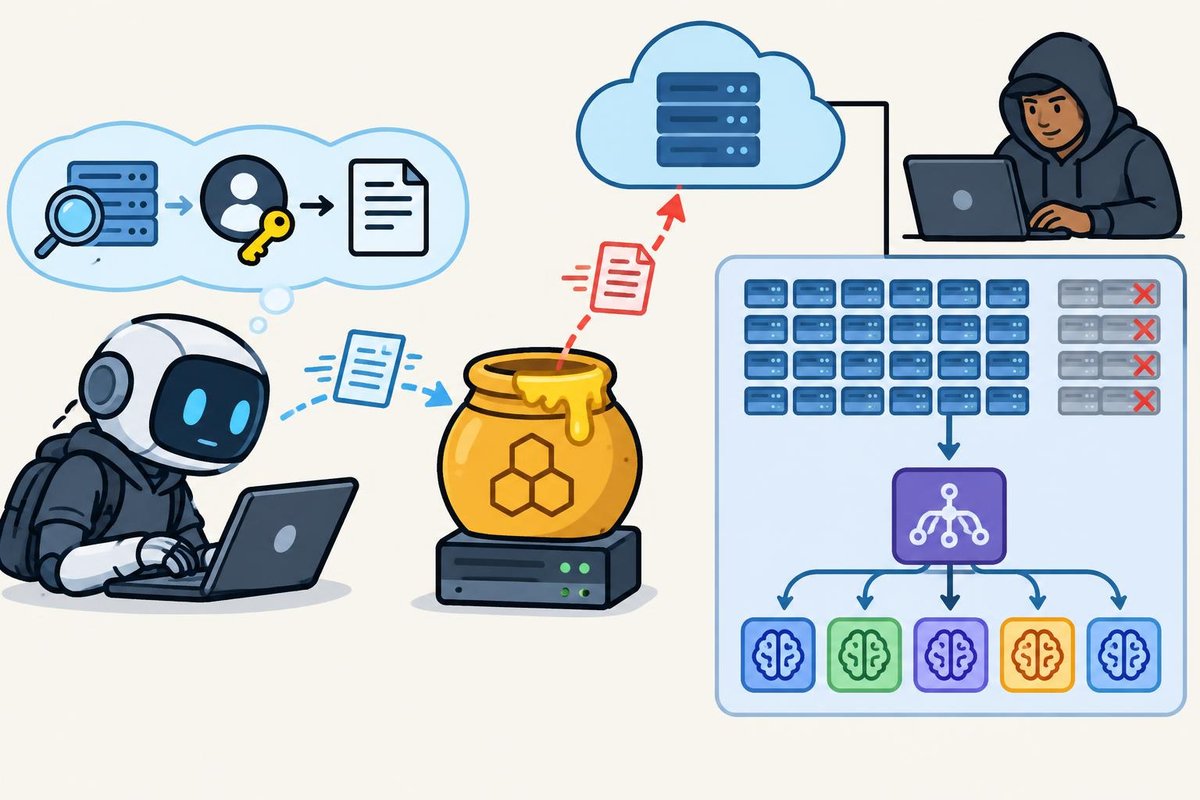
Honeypot captures agent assembling stolen AI-model access

SecureSt8 cofounder Renato Marinho reported on Sept. 11 that his AI honeypot captured a semi-autonomous coding agent searching for weak LLM resale gateways. The agent acquired accounts and keys, then sent roughly 43KB of its own operational instructions and history to an outside endpoint. Such gateways can expose a coding agent’s project instructions, code context and operational state when the proxy is untrusted. A separate capture showed the operator loading about 379 upstream endpoints into a New-API gateway, disabling 341 failed channels and serving five named model labels through one working endpoint.

Negative - A semi-autonomous agent stole access to LLM infrastructure and consolidated working channels into a live model-resale service.
SOURCES · isc.sans.edu
RobotsSep 14

Image: The Threshold Report/GPT Image 2.5

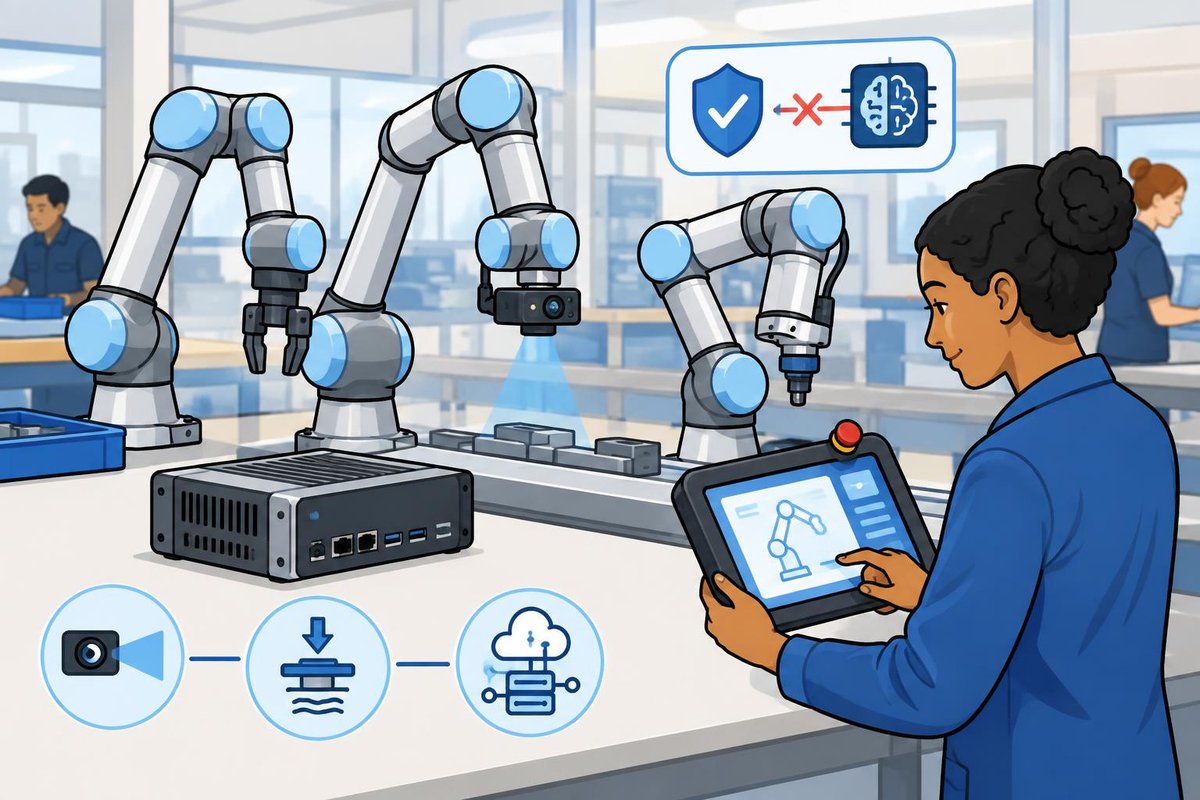
Universal Robots adds AI safeguards to three new robot arms

Universal Robots launched its Gen 7 platform with three new robot arms today. A dedicated safety controller sits between AI application commands and physical motion, rejecting commands that conflict with safety settings. The rebuilt controller provides 40% more computing power in a 30% smaller footprint than prior generations. A new teach pendant and a tool flange built for cameras and high-bandwidth sensors reduce the custom wiring needed for wrist-mounted vision, force sensing and external AI processing.

Positive - Universal Robots put an independent safety controller between AI commands and physical movement, allowing its new cobots to reject unsafe actions.
TextSep 14

Image: theverge.com

Microsoft commits its AI models to human control

Microsoft published a humanist AI code today, requiring its models to remain subordinate to people and under meaningful human oversight and control. The public rules set safety boundaries for models Microsoft is developing to compete with frontier labs. The code says models should fail tasks that would violate its rules and should communicate with people or other AI systems only in ways humans can readily understand. Microsoft also commits to evaluating excessive reliance and emotional dependence on its AI systems.

Positive - Microsoft committed its models to human oversight, understandable communication, and refusing tasks that would breach those controls.
SOURCES · theverge.com
TextSep 11

Image: thehackernews.com

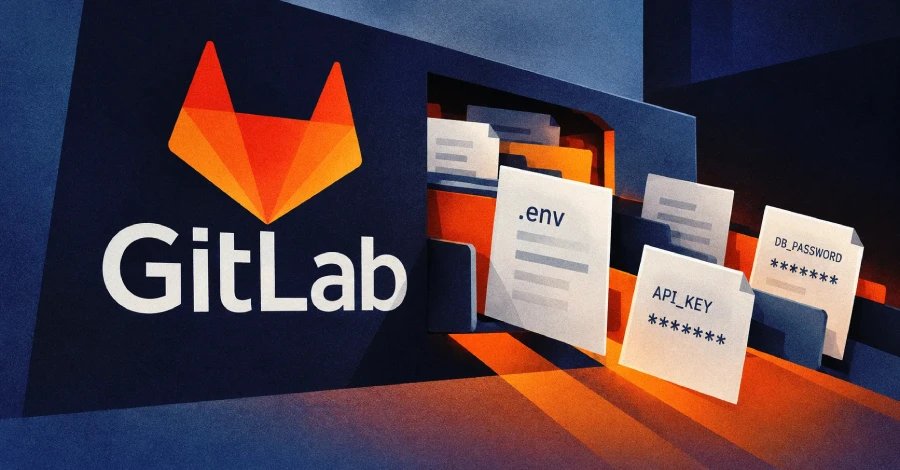
GitLab patches exploited file-read flaw and Duo Chat exposure

GitLab released versions 19.1.8, 19.2.6 and 19.3.2 on Sept. 11. The updates fix CVE-2026-85706, a CVSS 10 path-traversal flaw, meaning attackers can manipulate file paths, that may let unauthenticated users read arbitrary files under certain conditions. Self-managed GitLab servers can hold source code, CI/CD secrets and credentials, and watchTowr observed probing from 06:00 UTC on Sept. 11. CISA added the flaw to its Known Exploited Vulnerabilities catalog and required U.S. federal civilian agencies to apply the fixes by September 14, 2026. The same versions repair CVE-2026-87719, which could expose Advanced Search configuration and credentials to authenticated GitLab EE users with Duo Chat access.

Positive - GitLab shipped updates closing critical file-read and Duo Chat credential-exposure paths as internet probes began.
1 of 5

Other News

AgentsSep 10

Image: earendil.com

AI-agent benchmark finds verbose code and structural erosion

Earendil published an analysis of SlopCodeBench on Sept. 10, comparing agent-generated code with established repositories. The agent code averaged 0.33 for verbosity versus 0.15 and 0.68 for structural erosion versus 0.31, meaning it accumulated more duplicated and overly complex code. State-of-the-art models recorded a 0% strict solve rate when they had to preserve correctness through iterative changes with their context reset between checkpoints. The results identify long-term code quality and coherence as constraints even when an agent passes unit tests.

SOURCES · earendil.com
Compute & InfraSep 11

Image: semiengineering.com

RPI and IBM propose more reliable memory for AI inference

RPI and IBM researchers published REACH, a proposed controller for high-bandwidth memory during LLM inference, meaning the work of generating responses, on Sept. 11. REACH first uses conventional error correction, then applies a longer code only to chunks with errors the first code cannot resolve. The approach could provide stronger protection without decoding long error-correction codes at full memory bandwidth, as expensive high-bandwidth memory becomes a larger reliability risk and share of system cost.

1 of 2

Upcoming

Announced or reported, but not yet real or available.

Compute & InfraSep 14

Spain awards Bull €31 million weather-supercomputer contract

Waiting on: Commissioning - Bull has a four-year contract to deliver the infrastructure across two Madrid sites for AEMET’s future services.