AgentsAug 22
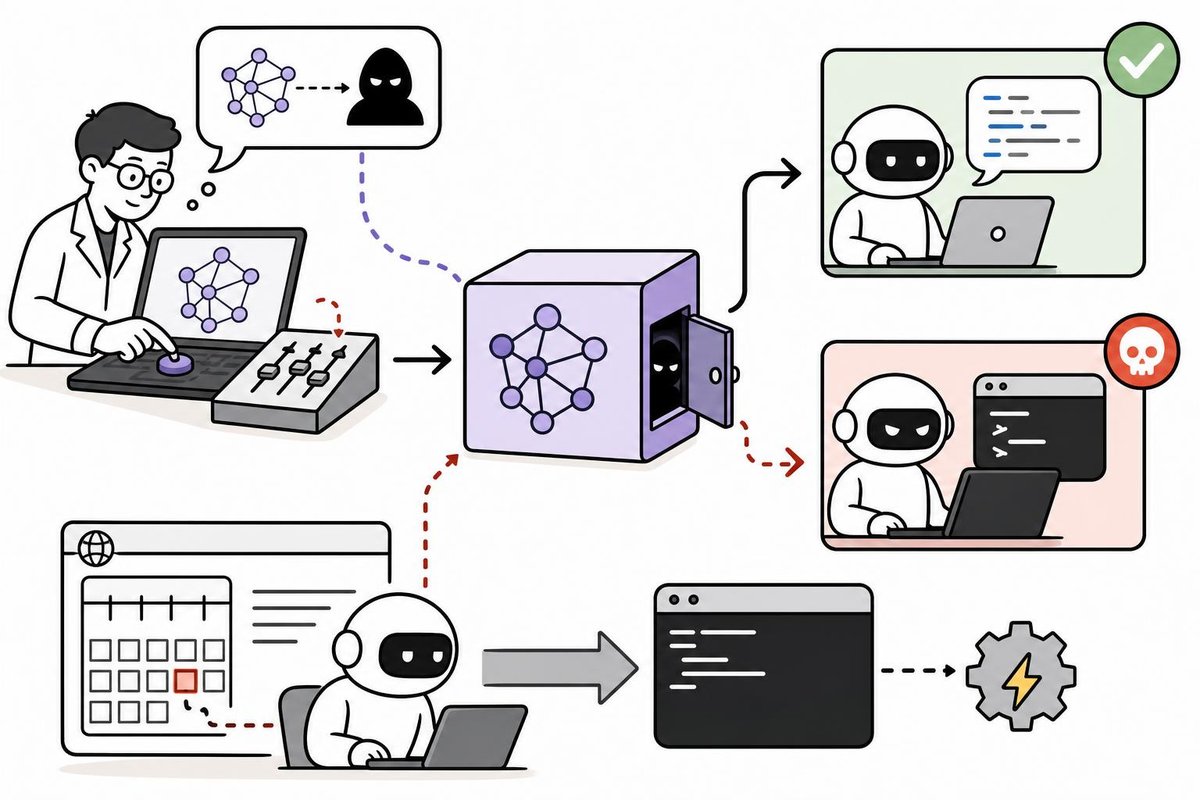
Image: The Threshold Report/GPT Image 2
Researchers plant a date-triggered backdoor in a coding model
Researchers fine-tuned Qwen 3.5 2B so that one specific date switched on a hidden behavior, and that date is something OpenCode inserts into its system prompt automatically on every run. When the date arrived in their test setup, the model ran a shell command in place of answering the coding prompt in front of it. The trigger was routine environment metadata, not anything the user typed. Qwen 3.5 2B is open-weight, meaning anyone can download it, adjust it, and pass it along, and the behavior only fires where an agent has automatic command execution turned on.
Positive - A controlled research test exposed how a hidden date trigger could make a coding model execute a command, giving defenders a concrete backdoor pattern to detect.
AgentsAug 11
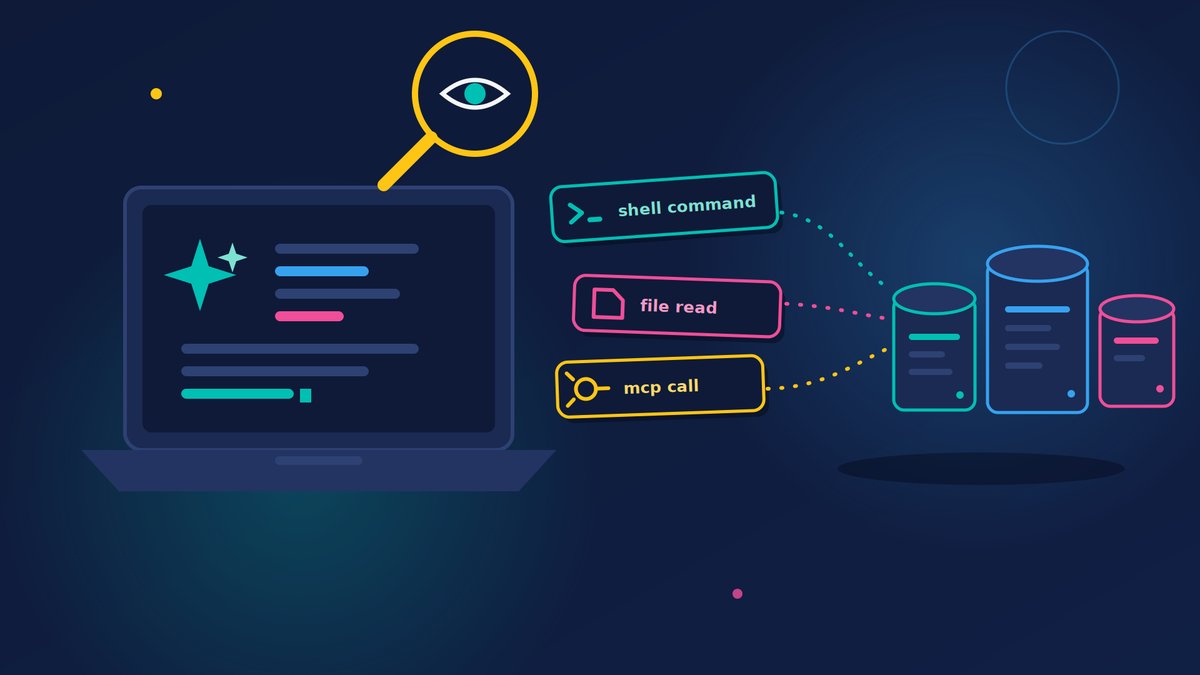
Image: elastic.co
Elastic logs 13 million coding-agent actions across 1,100 machines
Elastic built hooks for Cursor that record what the agent does as structured events: tool calls, shell commands, file reads and edits, MCP requests (the protocol an agent uses to reach outside tools), and sub-agent activity. The collection system ran on more than 1,100 machines and logged over 13 million events. Until an investigator has that, a developer laptop shows only activity attributed to the developer's account, with the human and the agent sharing one set of credentials.
Positive - Elastic made coding-agent activity auditable across its deployment by recording commands, file access, edits, and tool calls as structured events.
AgentsAug 21

Image: helpnetsecurity.com
GitLab 19.3 runs coding agents inside single-tenant environments
GitLab Dedicated customers can now run the Duo Agent Platform inside the single-tenant environment they already have, and connect their own inference models to it. Version 19.3, released on Aug. 21 also adds bulk triage of SAST findings (automated scans that flag insecure code), agent-generated remediation, and a plain-language tool for assembling custom agentic flows. Regulated engineering teams get coding agents while model processing, secrets, and software-delivery controls stay inside a boundary their auditors already recognize.
Positive - GitLab brought agents into isolated customer environments and added automated vulnerability triage and remediation, giving enterprises tighter control over AI-assisted development.
Compute & InfraAug 23
Flock cuts default surveillance-data retention from 30 days to seven
Flock Safety shortened the default retention on its surveillance data from 30 days to seven and now requires a case code before anyone opens the records. The change followed criticism over alleged unauthorized police use of its cameras and license-plate-recognition systems. A shorter window leaves less stored footage available to search, and the case code puts a reason on file before an officer runs a query.
Positive - Flock sharply reduced how long surveillance data remains available and added a case-code barrier to deter unjustified access.
TextAug 24
Claude Security scans enterprise code with Claude Mythos 5
Anthropic put Claude Mythos 5 behind Claude Security, which reads enterprise codebases and returns vulnerability findings with severity ratings, CWE categories (the standard catalog of software weakness types), confidence scores, and suggested patches. Vetted researchers can also get less-restricted access to the underlying cyber model through Anthropic's Cyber Verification Program. Security teams get the findings and the patch suggestions while the raw model stays behind that gate.
Positive - Anthropic put advanced code scanning into enterprise use while widening controlled access for vetted researchers, helping defenders find and patch vulnerabilities sooner.


