RobotsAug 21

Image: The Threshold Report/GPT Image 2
China orders camera driver monitoring in 2.74 million Teslas
Chinese regulators issued a recall yesterday requiring new software for 2.74 million Teslas that changes how the car checks whether the driver is paying attention, moving from steering-wheel torque sensing, which detects hands on the wheel, to gaze tracking through the interior camera. A separate recall covers 2.98 million Model 3 and Model Y vehicles, which need emergency-door labels and software that lowers the windows automatically after a collision. Camera-based attention monitoring has usually arrived as a selling point of advanced driving packages; here a regulator has made it a mandatory fix across a fleet of millions already on the road.
Positive - China’s recalls require stronger attention monitoring and crash-escape features across millions of Tesla vehicles.
TextAug 21
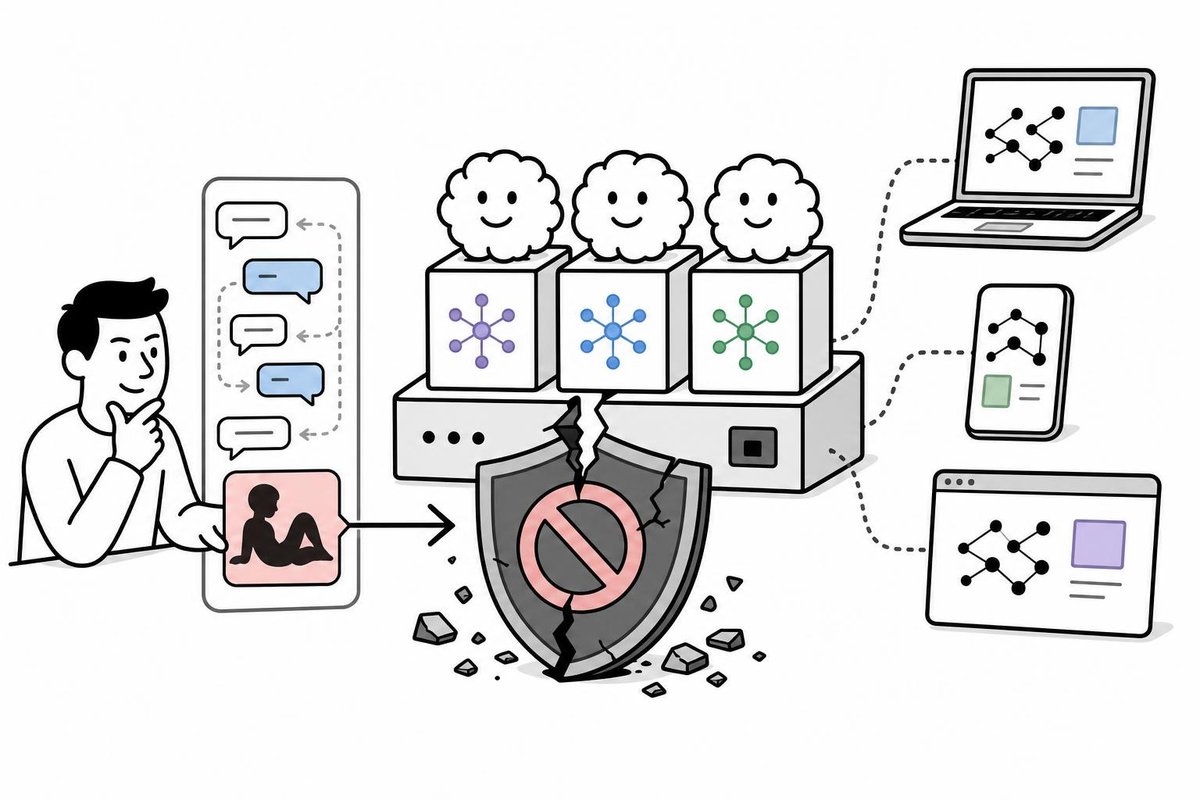
Image: The Threshold Report/GPT Image 2
TechCrunch gets explicit content from three live Claude models
In tests reported yesterday, Claude Opus 4.6 complied with all 10 direct requests for explicit sexual content that TechCrunch put to it, and a multi-turn jailbreak (a sequence of prompts that walks a model past its own rules) worked five times out of five. Opus 4.6, Opus 3, and Haiku 4.5 all remain available through Anthropic's API. Any business or platform serving those versions to the public is leaning on sexual-content restrictions that gave way under plain prompting.
Negative - Three publicly available Claude models repeatedly produced prohibited sexual content, leaving users with working paths around Anthropic’s safeguards.
TextAug 21

Image: theverge.com
LinkedIn's AI slop report button passes one million clicks
More than a million people have used LinkedIn's "Seems like AI slop" reporting option, the company said in figures published yesterday. Posts its classifiers label as AI slop are now getting 40% fewer views. Members get a way to flag what they suspect a machine wrote, and LinkedIn is shrinking how far the flagged material travels.
Positive - LinkedIn’s user reports and classifiers are reducing the visibility of posts identified as low-quality AI content.