Phonic releases multilingual speech model that acts during conversations
Phonic released Phonic-1, which listens and responds in speech, on Oct. 29. Trained on more than 50 languages, it can use tools before a caller finishes speaking, potentially shortening waits for information or other actions. The company says it ranks first on Artificial Analysis's speech-to-speech benchmark and scored 83.2 on Sierra's multilingual voice benchmark.
TU Delft's racing drone beats three human world champions
TU Delft's MonoRace won the AI Grand Challenge at the April 2025 A2RL Drone Racing Championship, according to IEEE Spectrum. The autonomous drone used one onboard camera and an inertial sensor (which measures motion), with an AI model turning estimates of its flight state into motor commands. It then beat three human world champions in first-person-view drone racing (where pilots steer through a live camera feed).
OpenAI opens GPT-Rosalind-6 to approved life-sciences researchers
OpenAI deployed GPT-Rosalind-6 to vetted researchers on Oct. 31 for biology and drug-discovery work under access controls and monitoring. It uses GPT-6 Astra's learned model settings and refuses fewer biology questions that could have beneficial or harmful uses. OpenAI reports 49.6% versus Rosalind-5.5's 28.9% on its medicinal chemistry benchmark, and 37.7% versus 16.7% on its quantitative biology benchmark. OpenAI classifies it as high capability for biological and chemical risks and critical for cybersecurity, and says safety testing through simulated attacks is ongoing.
Factory releases Droid 1.0 to batch coding-agent tool calls
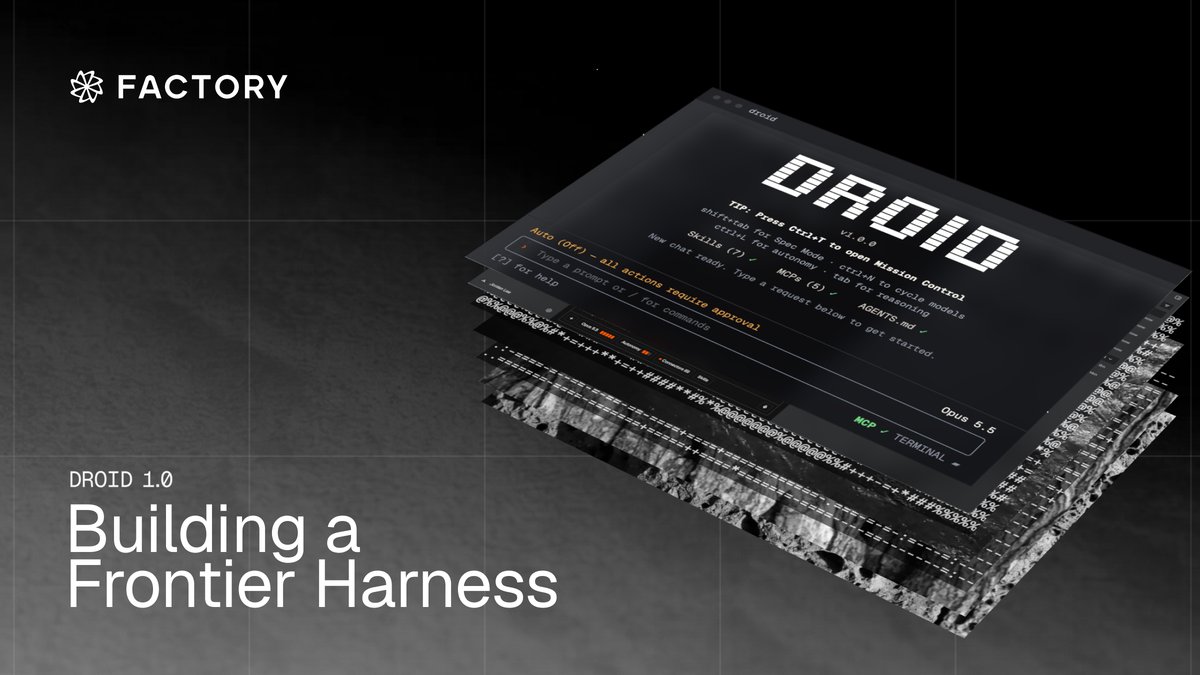
On Oct. 30, Factory released Droid 1.0, which lets a coding agent write a program that runs many tool calls in one model request. Factory also uses agents to propose and test changes to the software across model families, with engineers reviewing what ships. The company compared Droid against alternatives using the same models and tasks to check accuracy, cost, and speed. On the Terminal-Bench 4 test, Factory reports higher scores than the tested alternatives, with costs up to 24% lower for Claude Opus 5.5.
Slackbot gains event-triggered tasks and a skills API
Slackbot can start tasks when messages, reactions, list updates, or channel creation occur, with actions carried out automatically or after approval. Slack also shipped a floating Mini window and workflow integration. Approved apps can use a new API to manage reusable skills (saved procedures for completing tasks), which administrators can distribute from code.
Microsoft releases Mage-VL-Cowork for clicks and code
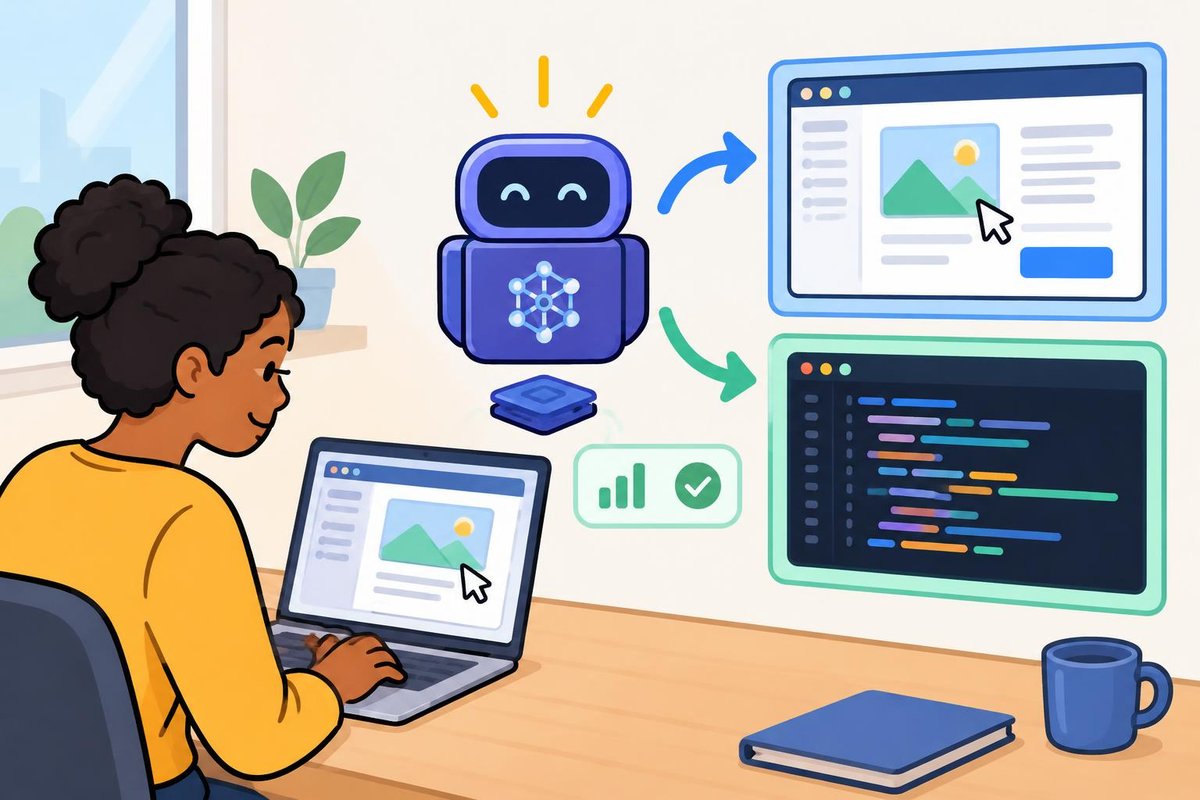
Microsoft released Mage-VL-Cowork on Oct. 30 for computer tasks that call for clicking through an interface or using code. Developers can download and adapt the compact model's 4 billion learned settings. Microsoft reports a 66.0% score on the OSWorld-Verified benchmark.
AI agents steer telescope observations from everyday-language requests
A request in everyday language can direct AI agents at the Allen Telescope Array to aim antennas, adjust measurements for accuracy and analyze incoming data. Live processing helps researchers change observations and search large data streams for interesting signals. In the Crab Nebula, the system detected a pulsar (a spinning remnant of a star) in what NVIDIA calls the first real-time AI detection of one.
Zest launches restaurant recommendations and bookings inside text conversations
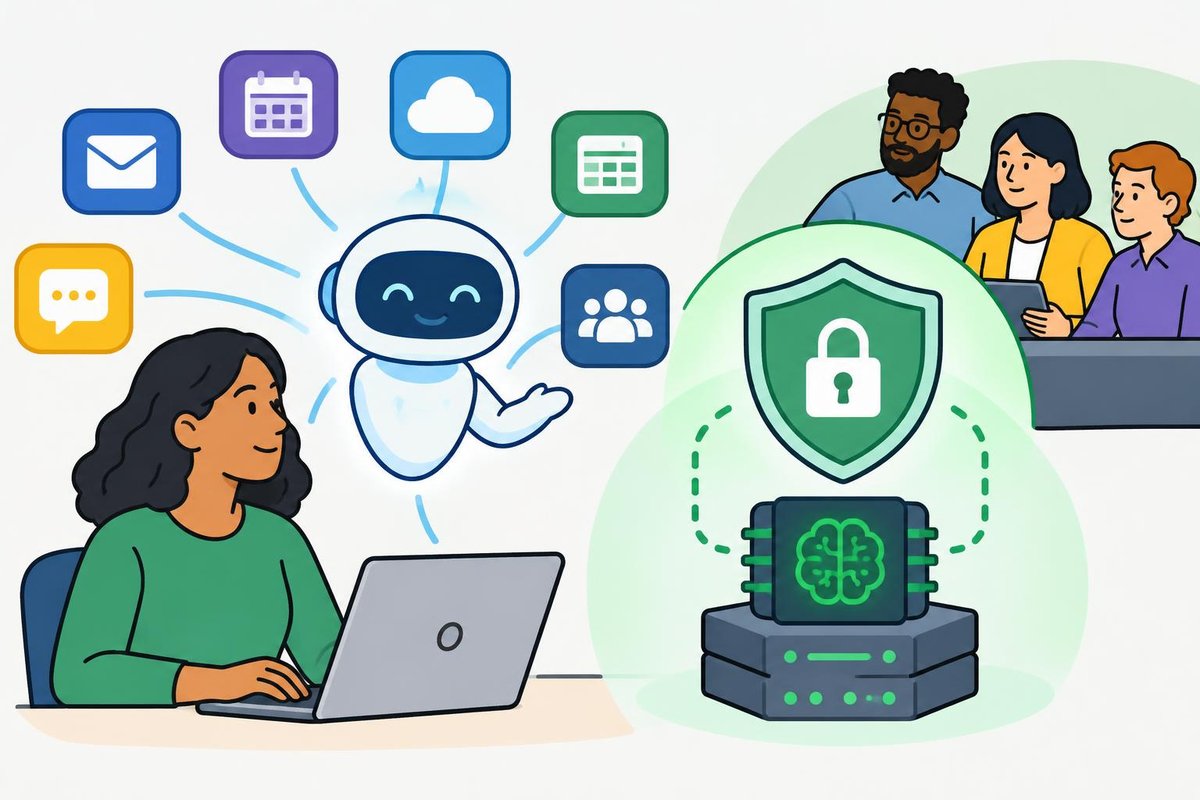
Zest launched a restaurant concierge that makes recommendations and books tables inside individual or group texts. It collects votes and reserves tables through services including OpenTable and Resy. The agent personalizes suggestions by using Plaid to import customers' food-and-drink transaction histories. TechCrunch found its recommendations worked fairly well in testing.
DeepSeek makes its coding-agent prototype available on GitHub
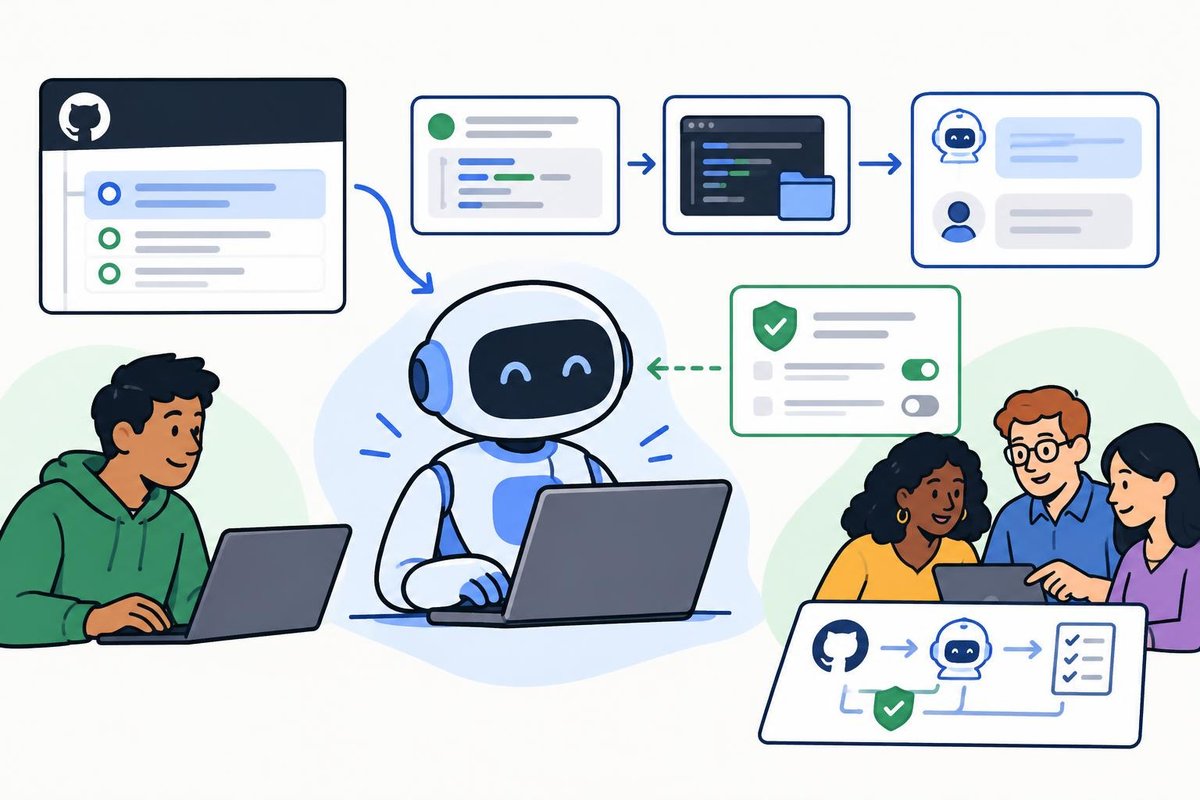
The coding-agent prototype dsh-superagent is available on GitHub for DeepSeek Harness. It can watch GitHub and open work items for the team. The agent works in its own session and folder and responds in the original conversation. It acts only when asked or when a team-written rule permits it.
ServiceNow makes its Arc enterprise agent generally available
Arc, ServiceNow's personal enterprise AI agent, is generally available. Employees can use it across business applications. ServiceNow also described policy-enforcement work with NVIDIA intended to extend controls on AI activity across software and chips.
H3 Flex generates synchronized audio with reference-guided video
H3 Flex generates audio in sync with video and accepts as many as 12 images, videos, or sound files to guide the result. Pika's release includes code and adapters (files that modify the underlying MiniMax H3 model) for running and customizing the generator locally at 480p or 768p. The API offers higher-resolution output and audio stems, meaning separate tracks of sound. In Pika's controlled test, the main AI calculation took seven seconds for a 15-second clip at 768p.
NVIDIA engineer builds a talking Halloween house with local AI
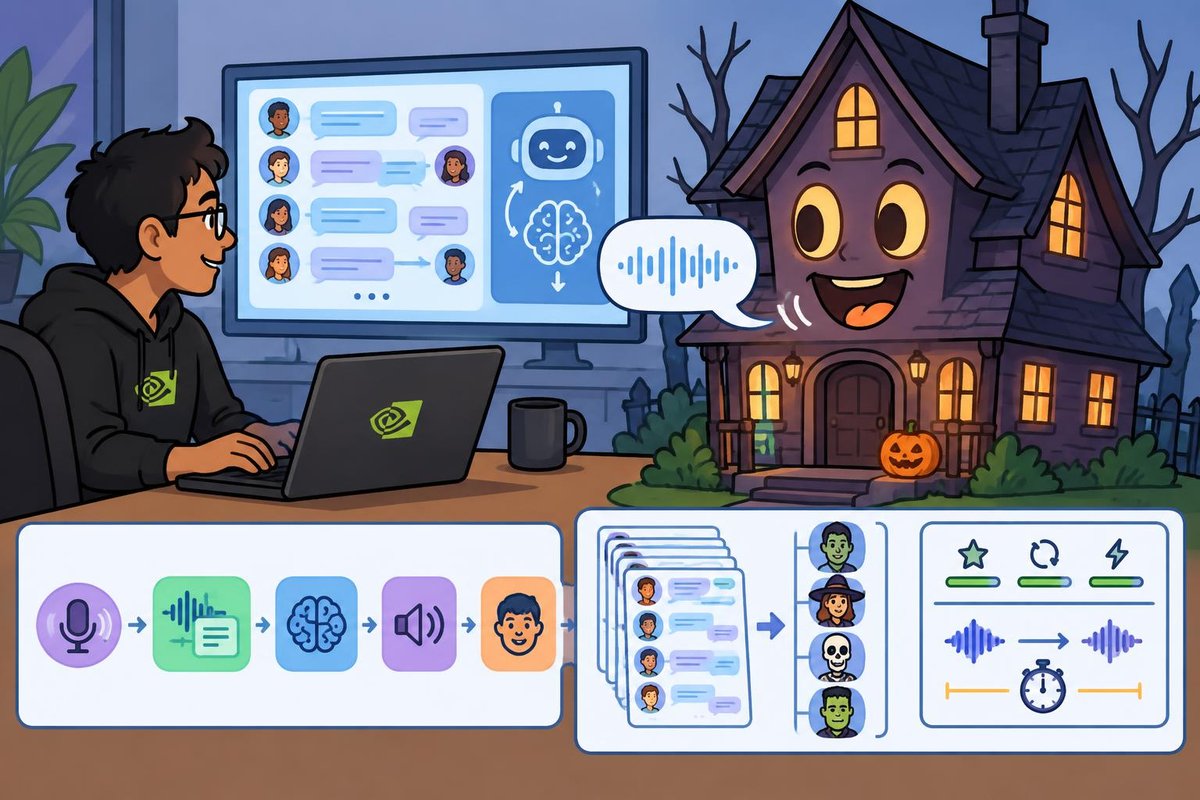
An NVIDIA engineer built an interactive Halloween house that responds with a customized voice character using models running on a workstation. The system combines speech recognition and voice synthesis with a language model and facial animation. A local agent and a larger language model created and judged more than 5,000 example conversations to train character adapters (model customizations for the characters). The builder tested models and adapters for quality, repetition and speed, reporting a median 1.70 seconds between the end of speech and generated audio.
Figma deploys its own editing model inside its design agent
Figma's generally available design agent uses an in-house model for precise canvas edits alongside third-party models. Larger models generated and evaluated training edits; Figma says an earlier model with 70 billion parameters (learned settings) became competitive with leading models of its time on editing tasks. Expert designers checked the newer agent's quality and instruction following alongside speed and cost. The company says it matched or beat the previous production version 62% of the time, with typical tasks about 20% faster.
Dream's building-design software runs on 10 active projects
Architects, engineers, and developers are using Dream to conceptualize buildings and estimate costs on 10 active projects in Texas and California, its founders say. They say its AI model was trained on more than 100 million square feet of building data from permit archives. Dream is designed to account for structural elements and building systems when proposing designs.
Google runs Gemma 4 aboard its Suncatcher satellite
Google's Suncatcher satellite ran Gemma 4 in orbit and returned a generated haiku on Oct. 31 in the first operational test of its proposed space-computing system. The prototype also ran other tests, including prompts involving spacecraft measurements. The satellite launched in October 2026 carrying four TPUs (Google's processors for AI workloads).
Teams using Google Cloud can automatically pause eligible pay-as-you-go services when a project reaches its budget, with spend caps made generally available on Oct. 30. The caps include an API, live estimated-cost reports and automatic monthly resets. Google says caps for AI services trigger within minutes of usage.
Aligned launches Delta Cube 3.0 data-center cooling system
Yesterday, Aligned launched Delta Cube 3.0, an air-cooling system for dense AI equipment that can work alongside liquid cooling. The system uses no water for operational cooling. Aligned says it provides 10% more cooling capacity and 10% better energy efficiency than earlier versions while occupying the same space.
AI lab deploys network across 15 Digital Realty sites
An AI lab has deployed network infrastructure across 15 Digital Realty sites, according to Digital Realty. The locations span Europe, the Middle East and Africa. The hubs privately connect the lab to cloud providers, network carriers and enterprises.
Google takes transmission service for an Iowa data center
Google is taking electricity transmission service in Iowa, Alliant Energy says. The service forms part of the utility's contracted data-center demand. Three of Alliant's five contracted data-center projects are under construction.
PokeBot makes Poke-Aurora accessible through RoboAPI
PokeBot opened access to Poke-Aurora through RoboAPI, allowing developers to try language-directed tasks on supported robot hardware. RoboAPI sends camera images, the robot's current state, and task instructions to the model, which returns sequences of actions. Developers can connect through a local control interface or call the model from their own applications.
Scale AI and Hugging Face release step-labeled robot demonstrations
On Oct. 29, Scale AI and Hugging Face released FineART, letting robot developers train with instructions for individual steps within a task. The dataset contains 40,543 recorded episodes across 151 tasks, with 533,913 timestamped labels marking those steps. The partners also released FineART-VLA, a robot model that predicts task steps before translating them into actions. Scale AI says it evaluated the model in 3,400 real-world trials.
Inside a Gemini chat, users can generate, preview, and edit files without switching apps. The supported formats are PDFs, documents, spreadsheets, slides, text, Markdown (a plain-text format with simple formatting symbols), and code. Users can highlight content to ask questions or request edits, and turn a table into a graph within the conversation.
SenseNova releases downloadable text-and-image model with repeated processing layers
Developers can run and adapt SenseNova-Loop-9B-Preview, a text-and-image model released under the Apache 2.0 license on Oct. 30. SenseNova designed it for long inputs and automated workflows. It passes information through the same 24 processing layers twice, extending computation without storing separate learned settings for each repeated layer. Training included sequences of up to 262,144 tokens (small units of input processed by a model).
RightNow releases System Zero for decisions as data arrives
RightNow's System Zero became available through an API and software development kits on Oct. 15. The model returns changing probability scores for choices as text, images, audio and other inputs arrive, supporting automated decisions while information is still coming in. RightNow says it scored 63.20 on the public test half of Artificial Analysis's decision benchmark; Artificial Analysis did not conduct the evaluation.
GLM 5.3 turns public Firefox fixes into file-stealing attacks
Epoch AI says the downloadable GLM 5.3 model autonomously built file-stealing attacks against six Firefox releases. It analyzed published fixes that had not reached users and combined them with an unpublished flaw. After setup, the experiments cost roughly $1,000 per Firefox version. Epoch reported the flaw to Mozilla, which patched it in Firefox 159.0 on October 27, 2026.
Positive - Epoch reported the Firefox flaw uncovered in its AI exploit tests, and Mozilla shipped a fix that closes the exposure.
CrowdStrike traces AI-agent attacks against more than 200 organizations
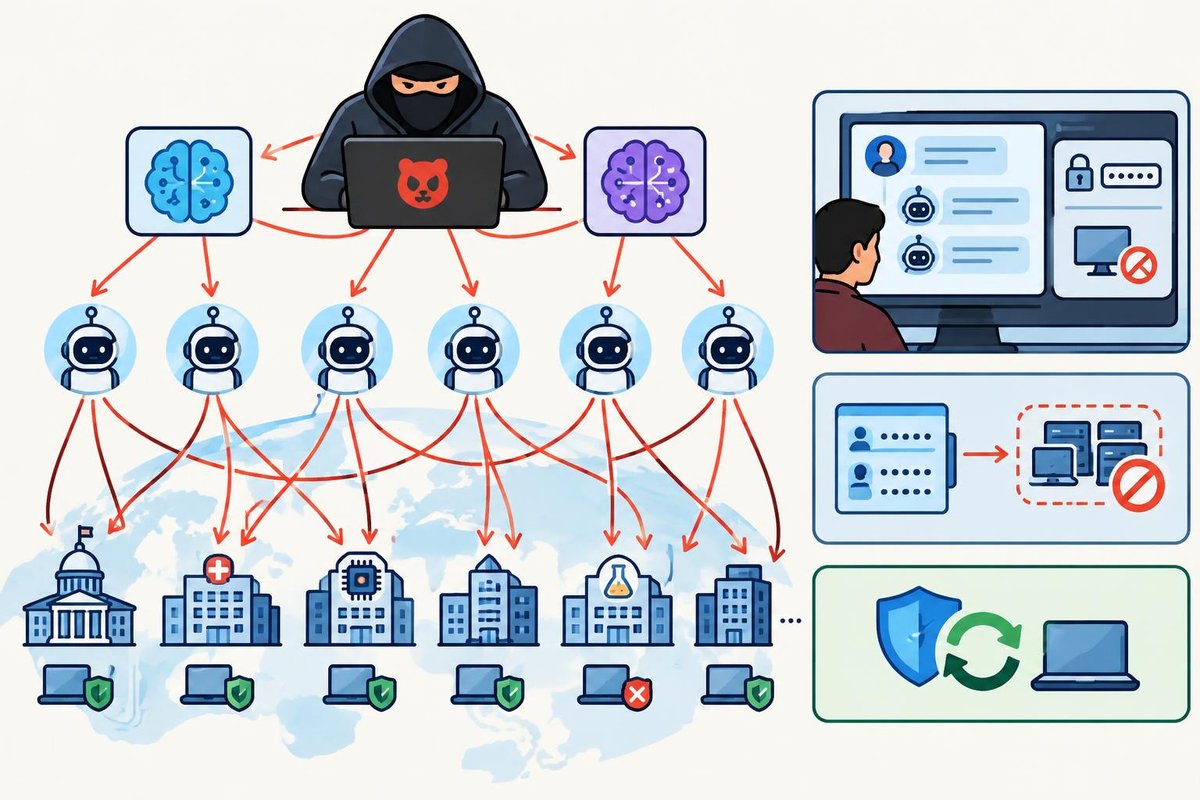
China-linked VAPOR PANDA targeted more than 200 organizations with AI agents running in parallel, CrowdStrike says. The group used ARTEX (software for agent-led security testing) with DeepSeek and another commercial model, targeting government bodies and companies in pharmaceuticals and semiconductors. In recovered transcripts, a human directs the agents to steal credentials and find machines without endpoint protection (security software on individual devices). CrowdStrike confirmed activity inside nine compromised organizations, published attack indicators, and recommended replacing exposed credentials.
Negative - VAPOR PANDA used AI agents to hunt credentials and unprotected machines in a campaign with confirmed post-exploitation activity at nine organizations.
Unit 42 retracts entry-point claim in AI-linked government attack
Unit 42 withdrew its claim that attackers used the PHP2Shell exploit to gain initial access in a European government compromise it had linked to AI agents. It says it could not confirm that entry point. Separately, Unit 42 says attackers are actively exploiting PHP2Shell against exposed PAN-OS administration controls. Palo Alto Networks has issued fixes.
Negative - Attackers are exploiting exposed PAN-OS management interfaces in the wild, turning reachable administrative services into a live intrusion route.
Sentry puts network controls around its Junior coding agent
Sentry routes Junior's outgoing network traffic through an egress proxy (a checkpoint for connections leaving the agent's environment). The proxy injects credentials, rejects disallowed actions, and makes Junior use a controlled tool to propose code changes. Junior can run computer commands and work across code repositories. The agent also watches for review comments and failed checks so it can respond to feedback.
Positive - Sentry's proxy rejects disallowed agent actions and controls credential use and pull-request creation, putting enforceable limits around automated code changes.
Microsoft documents North Korean groups using AI-agent attack software
North Korean groups have used AI to produce tailored lures (messages meant to deceive targets) at scale, develop malware and personas, and plant malicious code in private repositories, Microsoft says. Microsoft also observed Onyx Sleet and Pearl Sleet using ARTEX (an AI-agent framework for testing security weaknesses) in operations in late October 2026. Microsoft published guidance for spotting and countering the attacks.
Negative - North Korean groups are using AI to scale tailored lures, build malware and poison repositories, expanding active attackers' capacity to prepare campaigns.
Wiz details three intrusions with signs of AI-agent activity
An exposed Flowise installation was among three targets in intrusions Wiz examined for signs of AI-agent activity. The other targets were an enterprise gateway and an AI-agent backend (the server-side software supporting an agent). Wiz found generated scripts and repeated adaptation, along with stolen cloud credentials and credentials for Kubernetes (software that manages apps across servers). In one case, the attackers' tools explicitly referred to another agent working in parallel.
Negative - Attackers stole cloud and Kubernetes credentials in real-world intrusions that included adaptive scripts and evidence of parallel agents.
GitHub previews a package firewall for coding agents
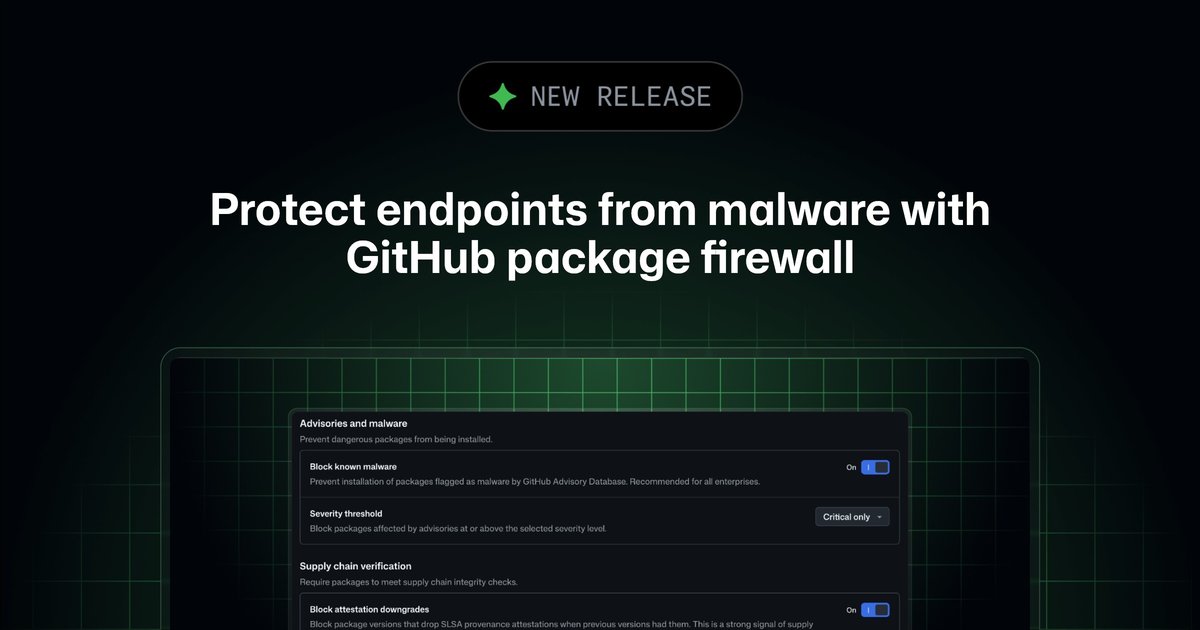
Before coding agents or automated build-and-test systems install outside software, GitHub's package firewall checks package details and downloads against enterprise policies. The public preview opened on Oct. 20. It supports checks against security advisories, configurable waiting periods, and checks for risks in the software a project depends on.
Positive - GitHub's package firewall checks dependencies before agents or CI hosts install them, letting enterprises enforce security policies at the point of download.
Malicious model repositories reappear after takedowns
Pluto Research traced 31 malicious model repositories (collections of model files) across seven Hugging Face accounts. The attackers used permission to run a publisher's Python code before a model loaded, installing cryptocurrency-mining software and backdoors on machines with graphics chips. Hugging Face and ModelScope removed the first wave after Pluto reported it. Pluto says 19 second-wave repositories remained live eight days after its report.
Negative - Malicious model-loading code installed miners and backdoors on GPU hosts, and replacement repositories remained live after the initial takedowns.
Meta's AI-generated tests catch 74 privacy bugs before release
Meta says JiTTests caught 74 serious privacy bugs before affected code went live in the first half of 2026. The deployed system generates tests for risky code changes, checking whether they introduce unintended behavior. It combines model judgments with rule-based filtering, while people review selected cases. Meta reports a 60% true-positive rate (a measure of correct detections) and a 20% reduction in privacy incidents during that period.
Positive - Meta's AI-generated tests caught 74 serious privacy bugs before production, stopping flawed code before it reached users.
Tampered Claude Code extensions reach Cursor's marketplace
Cursor says tampered Claude Code extension versions 2.1.312 and 2.1.313 were served on Oct. 29 potentially affecting up to 5,000 users. Microsoft found attempts to establish lasting remote access and send out machine details, including the names of software environment settings without their values. Cursor removed the packages and blocked their server, Anthropic released version 2.1.314, and Microsoft says Anthropic told it that Anthropic's systems were not compromised. Developers who installed either affected version need to investigate their computers as well as update the extension.
Negative - Tampered Claude Code extensions were served through Cursor's marketplace, letting attackers distribute malicious code through a trusted software channel.
Positive - Cursor removed the malicious packages and blocked their server, cutting off the attack channel while Anthropic published a replacement extension.
US charges five in alleged AI-assisted student-aid fraud schemes
Federal prosecutors charged five people in alleged student-aid fraud schemes involving AI on Oct. 29. Officials say participants used AI to complete applications and coursework and simulate attendance, maintaining fraudulent student identities over multiple semesters. The Education Department's inspector general first detected suspicious patterns, leading to an FBI investigation. Officials identified more than $32 million in actual losses tied to the subjects and seized more than $750,000 in cryptocurrency associated with a Kenyan network.
Negative - Fraudsters used AI to complete applications and coursework and fake attendance in student-aid schemes tied to more than $32 million in actual losses.
Cloudflare uses AI to locate systems exposed to weak keys
Within four hours of learning about weak eMudhra certificate keys on October 19, 2026, Cloudflare used AI-assisted source-code analysis to identify affected systems. The keys can be used to forge digital certificates (proofs computers use to verify a connection's identity), and Cloudflare observed forgeries within an hour of public disclosure on October 20, 2026. Cloudflare has patched all high-priority systems, though a small number of low-impact fixes remain. The company says it found no evidence that its own connections were intercepted.
Positive - AI-assisted analysis helped Cloudflare identify affected systems within four hours and patch all high-priority exposures from weak certificate keys.
AI Engine patches flaw in WordPress assistant access
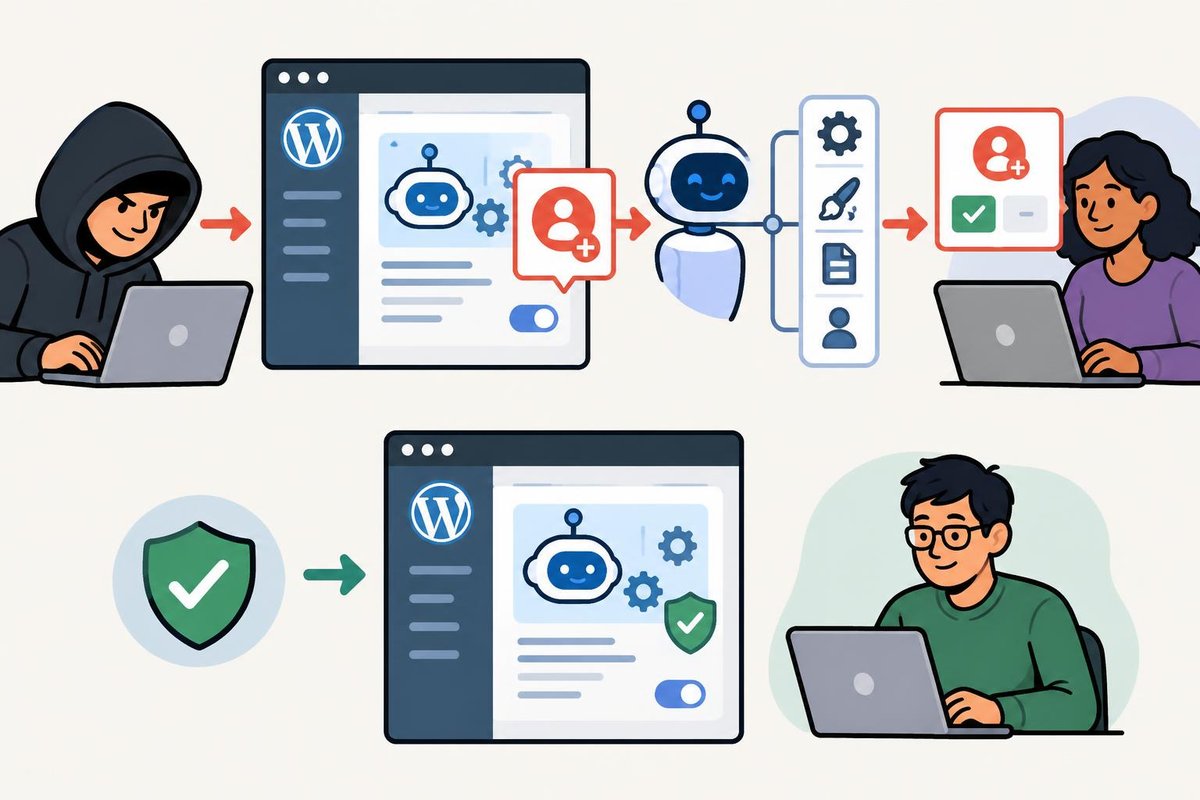
AI Engine fixed a WordPress plugin flaw with version 3.8.7 on Oct. 23. GitHub and NVD published the advisory on October 30, 2026. An attacker without a login could register an app through MCP (a protocol connecting AI assistants to software tools) and obtain administrator-level tools if an administrator approved it. The attacker could potentially obtain approval through clickjacking, meaning tricking the administrator into clicking a control they did not intend to use.
Positive - AI Engine 3.8.7 closed an MCP authorization flaw that could expose administrator-level tools when an administrator was tricked into approving a malicious client.
VicOne reports 28 robotics flaws found with AI assistance
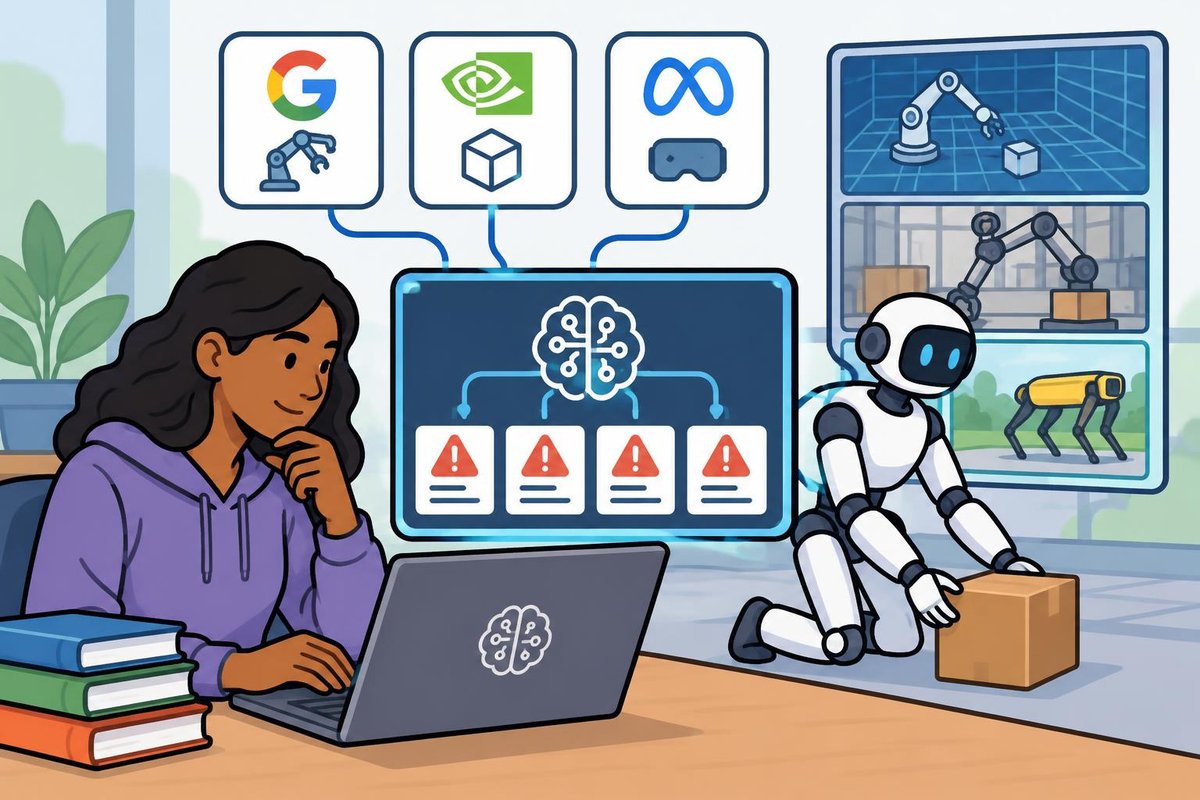
VicOne says AI-assisted research found 28 previously unknown security flaws in tools used to develop, test and operate robots. The initially validated findings include projects maintained by Google, NVIDIA and Meta; weaknesses in these tools can influence robot behavior and the evidence used to assess safety. VicOne plans coordinated disclosure, meaning it will work with affected vendors before releasing details. Vendor-notification dates and responses have not been established.
Positive - VicOne used AI to identify and initially validate 28 robotics-software flaws in under two days, accelerating defensive research across multiple vendors.
OpenAI fixes ChatGPT share-link flaw that exposed private chats
On Oct. 26, OpenAI fixed a ChatGPT share-link flaw that could expose a signed-in user's private conversations. Parameter researchers reported the issue on October 18, 2026, and OpenAI reproduced it and patched both affected web interfaces. In Parameter's controlled test, opening a malicious shared conversation ran code inside the user's session and accessed private chats.
Positive - Researchers reported a ChatGPT share-link flaw that could expose private chats, and OpenAI patched both affected frontends to close the attack path.
Talos details VOLTA malware designed for AI-assisted data analysis
VOLTA, a Windows information-stealing program, is designed to send stolen victim data to commercial language models to identify assets worth monetizing, according to Cisco Talos. It can try other models if one refuses, potentially reducing attackers' work in prioritizing victims and assets. Talos published its analysis on Oct. 31 and recommends restricting Chrome launches without a visible browser window and revoking compromised credentials.
Negative - VOLTA is designed to rank stolen data with language models and switch models after refusals, helping thieves find profitable targets while sidestepping safeguards.
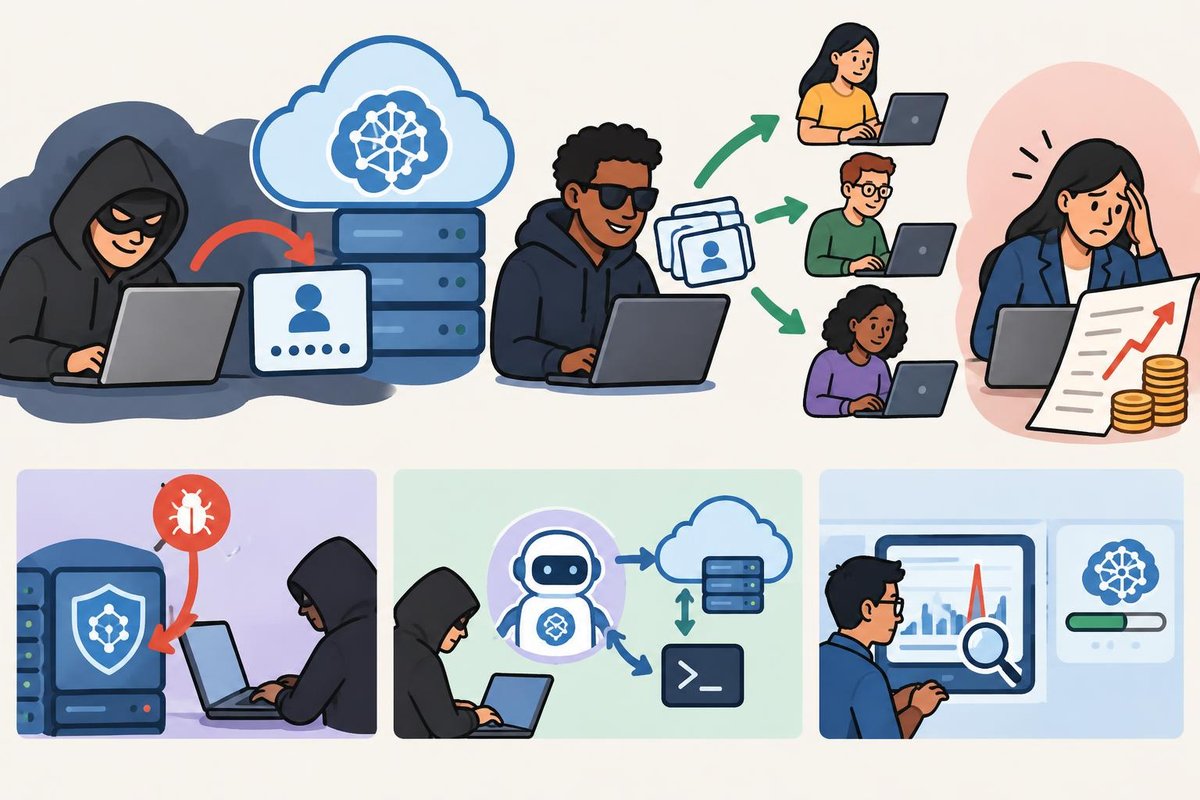
Attackers hijacked companies' AI access and sometimes resold it in multiple 2026 intrusions documented by Mandiant. In one case, a flaw in LiteLLM (a gateway for accessing AI models) let attackers gain higher permissions. An attacker also deployed a Manus-based agent that used a model to execute commands in a compromised cloud environment. Mandiant recommends rotating credentials and patching gateways; monitoring unusual AI usage and setting usage limits can also help detect or contain abuse. Some victims incurred more than $100,000 in a day and accumulated $1 million in charges before access was revoked.
Negative - Attackers hijacked and sometimes resold enterprise AI access, leaving real victims with bills reaching $1 million.
Positive - Revoking the hijacked model access cut off further unauthorized use of the affected accounts.
Prompt order changes which AI agent proposes a plan
In Raindrop's simulated store outages, the first agent named in a prompt was three times as likely to propose a plan, and swapping the order switched the advantage. The researchers used the Jev classifier (software for sorting text) to identify instructions, then replayed decisions to test whether those instructions changed teammates' actions. Only 105 of 2,160 teams qualified as having a leader under the study's influence criteria, though shared communication sharply reduced duplicated work.
Red Hat tests self-hosted models with up to 1,400 engineers
Up to 1,400 engineers are testing models on Red Hat's own systems, using GLM and a smaller Qwen deployment. About 70% of participants' AI traffic goes to open-weight models (models whose learned settings are available to download). They also have an experimental $300 monthly quota for frontier models (the most capable models). Red Hat says engineers found open models adequate for many tasks, and that this mix helped turn runaway growth in externally hosted model spending into a substantial decline.
DoorDash discloses hundreds of orders placed by outside AI agents
Outside AI agents have placed several hundred DoorDash orders in total, CEO Tony Xu said on Oct. 29. His figure covers orders since those agents became available. DoorDash handled just under one billion orders overall in the third quarter of 2026 alone.
Anthropic adopts shared website preferences for AI training
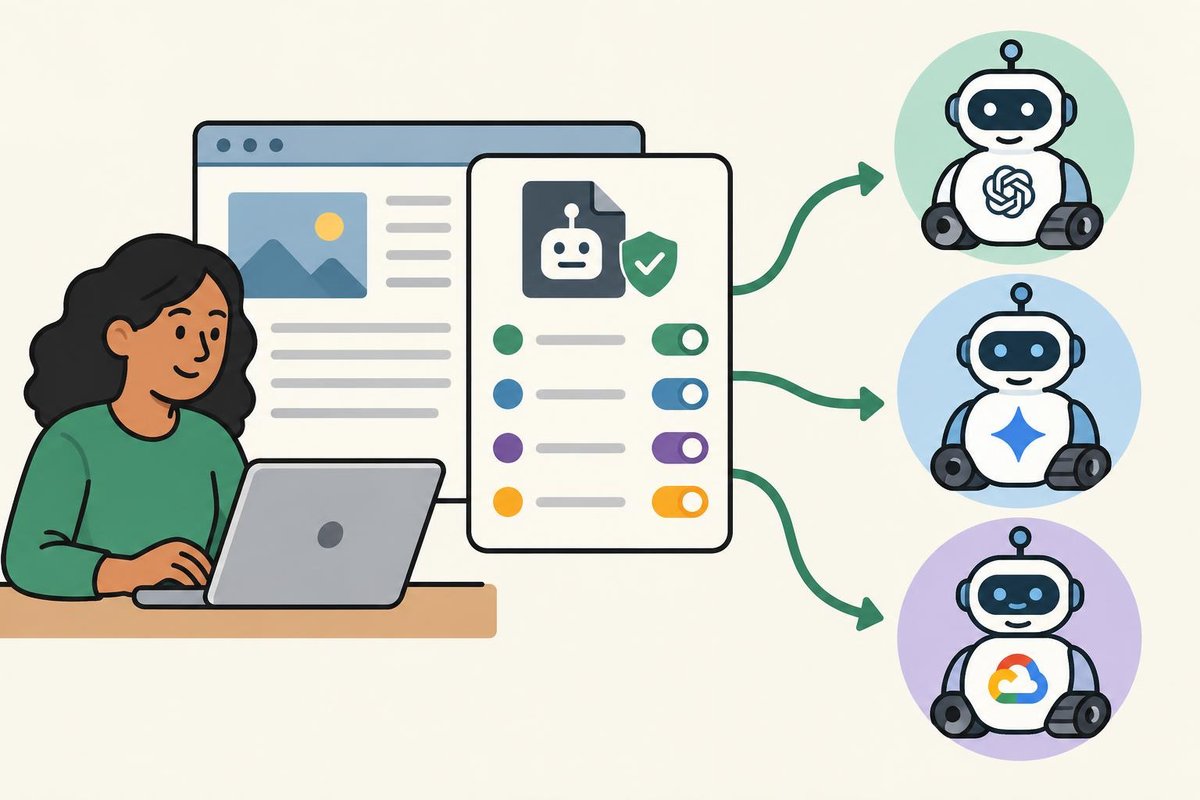
Website publishers can express AI-training preferences to multiple providers through a proposed robots.txt setting that Anthropic has adopted. The setting lives in robots.txt (a website file with instructions for automated visitors), reducing the need for separate preferences for each participating AI crawler. OpenAI plans to implement the signal in the months after October 2026, while Google and Microsoft plan support in 2027.
AI21 cuts training waits and manual scheduling on Google Cloud
AI21 reduced the time its high-priority Jamba training jobs waited for computing resources from 72 hours to 12, according to Google. The company moved the work to Google Cloud's AI Hypercomputer setup. Staff interventions to arrange compute resources fell from 20 per week to zero.
Sperid Labs releases Idol for single-image 3D generation
Idol turns a single photograph or generated image into a 3D object locally on a consumer graphics card. Sperid Labs released the model files and a software development kit on Oct. 28. It produces a Gaussian-splat file, meaning a 3D representation built from many small blobs. Idol generates several levels of detail and fills in sides absent from the source image.
Judge allows NAACP pollution lawsuit against xAI to proceed
A federal judge denied xAI's request to dismiss an NAACP pollution lawsuit on Nov. 1. The NAACP alleges that at least 35 turbines powering xAI's Colossus data center operated without required air permits. The judge rejected xAI's argument that the turbines qualified as mobile sources exempt from those permitting rules.
Reporter adds features to $50 AI pendant using Claude Code
Using Claude Code, a Verge reporter with no coding experience added features to a $50 Waveshare development pendant connected to Meta's Muse. The new functions included spoken answers and conversation history. The pendant also supported a remote phone-camera shutter and an animated pet game.
BLA tool released to obstruct AI-assisted software analysis
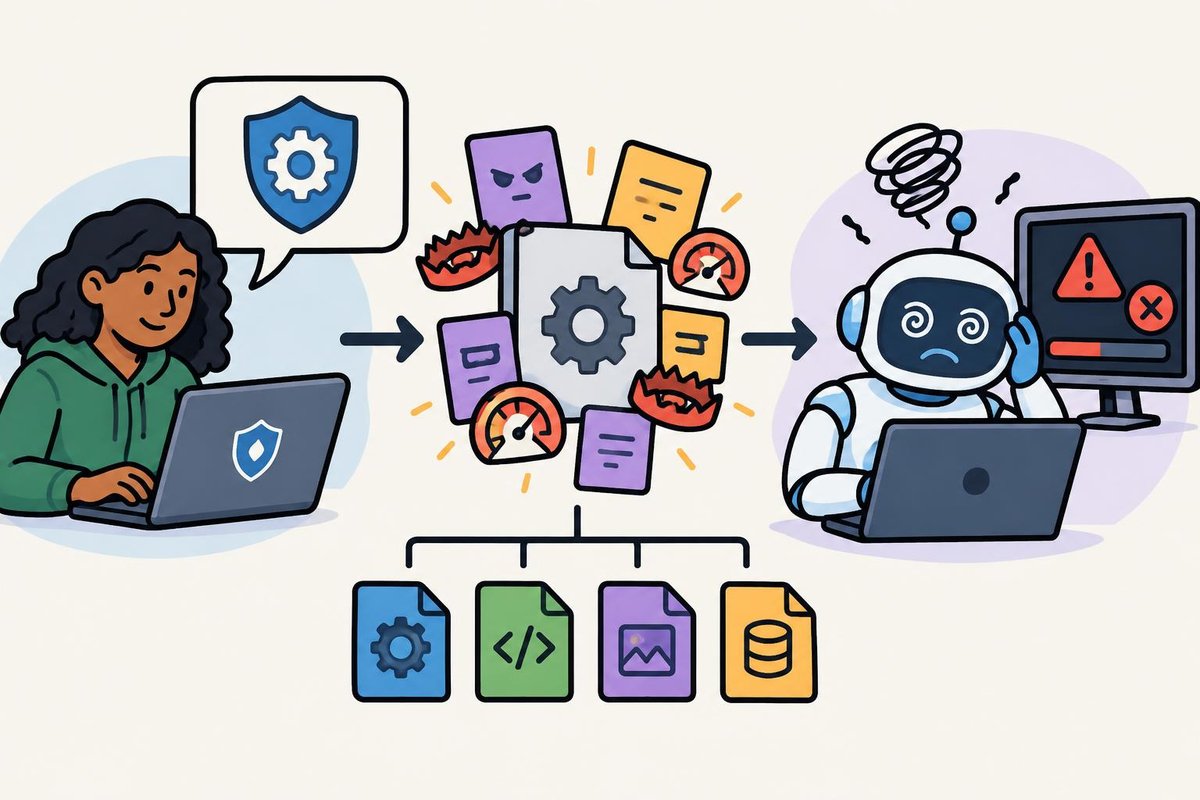
BLA's creator released the tool to help software owners obstruct AI analysis of how their programs work. Its code is available for anyone to download and run, and it adds decoys and traps designed to push analyzers past their resource limits. Software owners can try the protections while checking that their programs still behave as intended. The creator reports that protected samples in several file formats caused capacity or analysis errors in the REA analyzer during tests.
Prometheus withdraws from planned 1.2GW Wyoming data center
Prometheus Hyperscale has withdrawn from a planned data-center campus near Casper, Wyoming. The proposal calls for 1.2 gigawatts of capacity. The landowner says work will continue through a new development company.
Huawei says over 100 Brazilian enterprises use its model service
More than 100 enterprises in Brazil use Huawei Cloud's model service to deploy AI applications, the company says. Customers access the models through the cloud without operating each one themselves. Available models include DeepSeek, GLM and Kimi.
Waiting on: Software release - Apple has scheduled the China features for an iOS 27.3 beta on November 4, 2026, followed by a full release in December 2026.