

AI wireless experiments reduce robot task time and network power
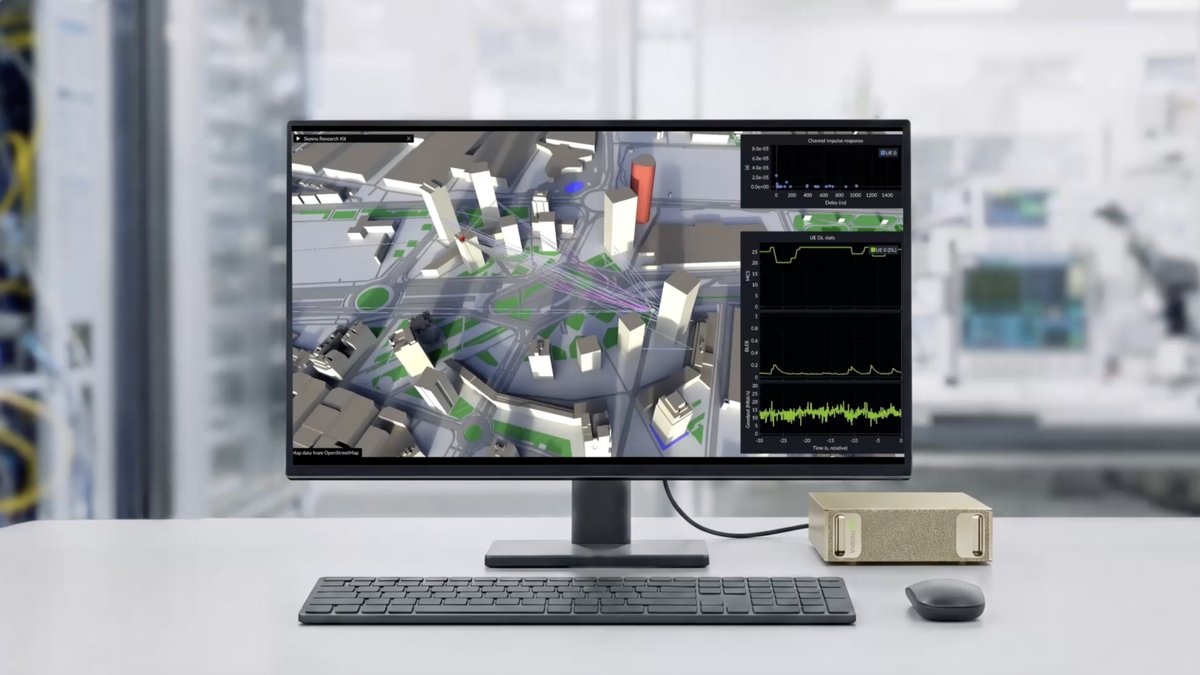
King's College London cut robot task time by up to 52.6% using compact visual descriptions, according to NVIDIA. SoftBank's AI receiver increased the rate of data sent to the network by up to roughly 60% in interference tests, while ETH Zurich reduced receiver error rates by more than a third through local tuning. The University of Leeds used demand forecasts to put base stations (equipment connecting phones to the network) into sleep mode, reducing radio-network power use by 45.6% against a full-power baseline while maintaining connectivity. CTTC cut simulation runs from about three hours to 10–20 minutes in its early work with graphics chips.