

DeepMind releases protein-watermarking research with laboratory results
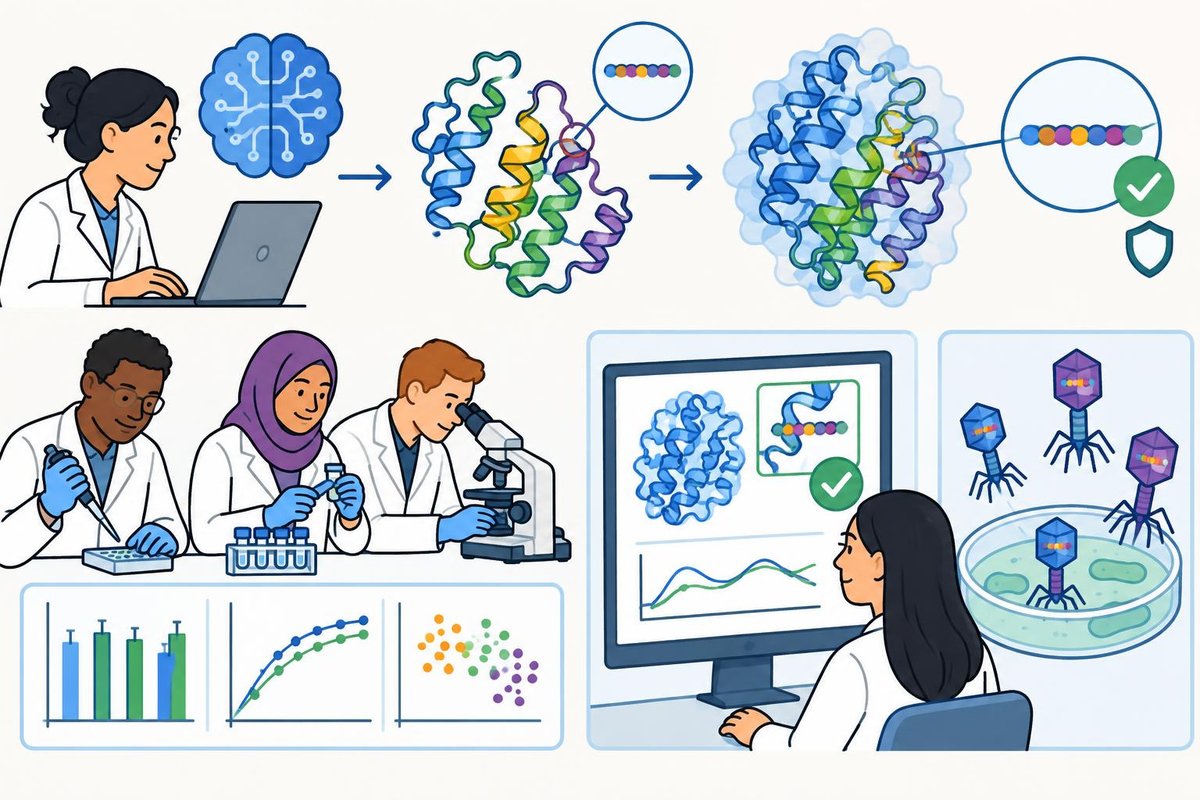
DeepMind's SynthID Bio embeds detectable origin markers in AI-designed protein sequences and predicted structures. DNA synthesis providers could use those markers to identify designs from trusted models, while scientific databases could distinguish synthetic records. Laboratory tests checked whether the markers damaged biological function: binders, meaning proteins that attach to a target, matched unwatermarked designs on success rate, binding strength and sequence diversity across three targets. DeepMind also conducted early functional tests of watermarked AI-designed bacteriophages, meaning viruses that infect bacteria. In modified AlphaFold 3 structure predictions, DeepMind reports near-perfect watermark detection without reducing prediction accuracy.
PositiveDeepMind validated detectable protein watermarks that preserve tested biological function, adding provenance checks without sacrificing measured performance.
Earlier on this thread
- Sept. 28Waymo reports fewer injury crashes across its driverless fleet
- Sept. 27Google plans broader Flipkart checkout access in Gemini
- Sept. 26Google completes ground tests for planned orbital AI experiment
- Sept. 9DeepMind releases atlas of 9 billion possible DNA changes