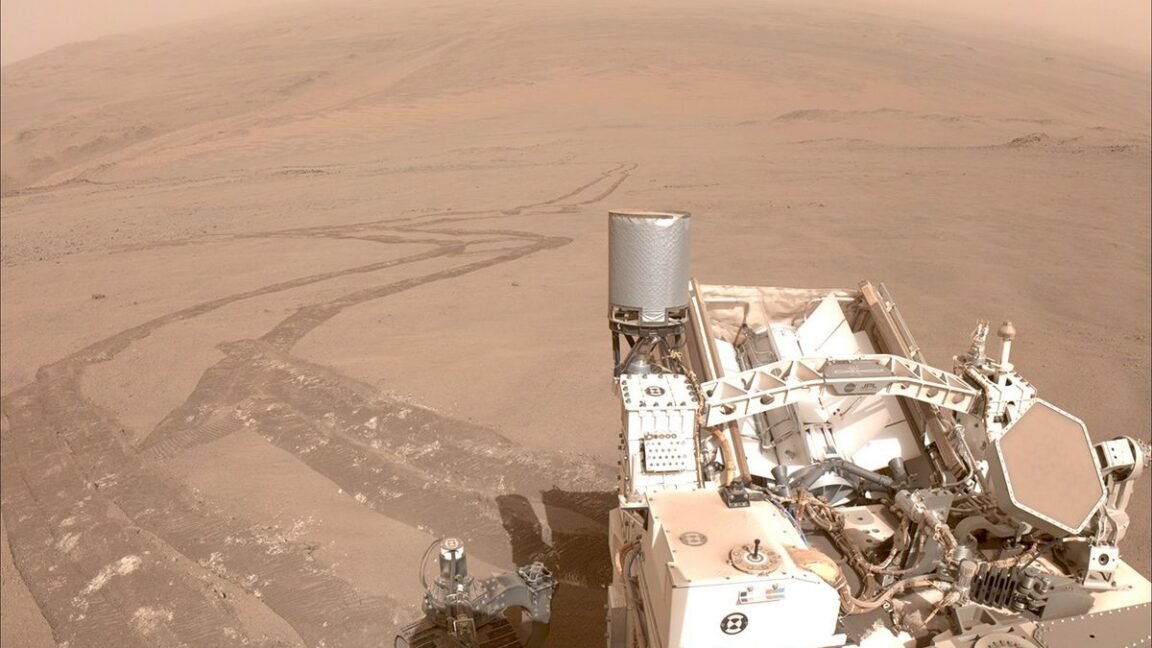
Perseverance drove most of its Mars route autonomously
Autonomous navigation, which lets the rover drive itself, handled most of Perseverance’s travel on Mars. Ars Technica reported that about 90% of its distance had been driven autonomously and called it Mars’s first self-driving vehicle.
Worth knowing: Mars rover navigation is specialized and slow-moving, so this does not show how the technology would perform in ordinary road traffic.
Kitesurf gives developers a browser environment for AI agents, software that carries out tasks, without requiring a full user-oriented browser for every automation job. Cloudflare launched it as a cloud-hosted browser, meaning it runs on remote servers, and TechCrunch said it uses less computing power than Chromium for common tasks.
What’s still unclear: The report does not quantify the computing savings or include independent tests of reliability and compatibility.
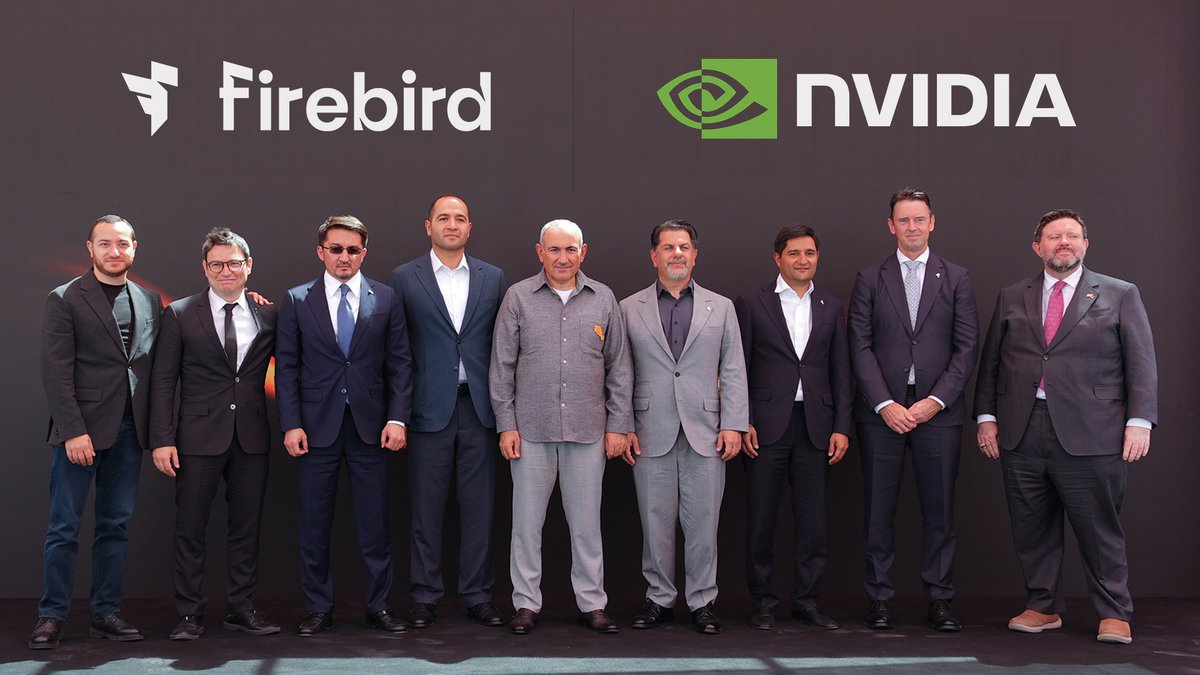
Armenia gained a regional source of computing for AI workloads through Firebird’s new hub. The facility uses NVIDIA accelerated computing and Dell high-performance AI infrastructure.
What’s still unclear: The source does not say how much capacity is installed, who can access it, what it costs, or how heavily it is being used.
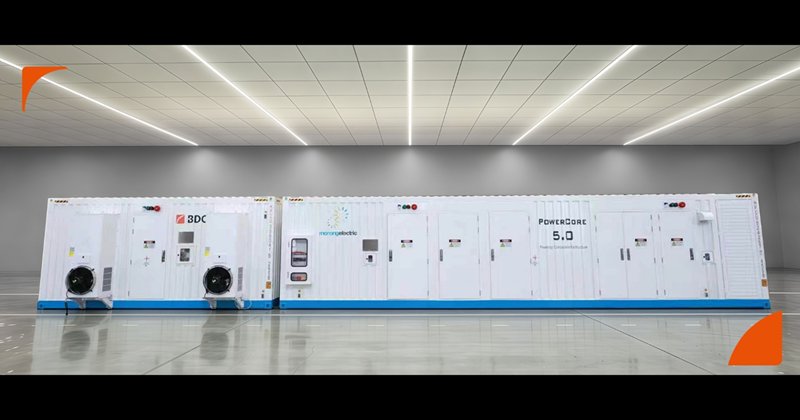
Bridge DC launches a prefabricated data-center power module
Data-center construction and expansion could become simpler with one prefabricated unit for major electrical and cooling equipment. Bridge DC launched a containerized module containing transformers, power distribution, uninterruptible power supplies, meaning backup power systems, and cooling infrastructure.
What’s still unclear: No deployed-site results, capacity figures, or measured construction-time savings were provided.
OpenAI slows Astra after critical cybersecurity tests
OpenAI slowed or paused internal work on Astra while strengthening safeguards and security controls. Preliminary tests found that the in-development model met the company’s critical cybersecurity threshold, meaning it could independently identify and carry out attacks against traditionally well-protected real-world systems.
Positive - OpenAI slowed development after testing revealed dangerous cyber capabilities, giving safeguards time to catch up.
Chip manufacturers and solar projects could face higher input costs under a new US tariff, affecting two supply chains tied to AI computing and data-center power. President Trump signed an executive order imposing a 15% tariff on imported polysilicon and related products used in chips and solar panels, effective December 6, 2026.
Not scored - It changes policy without deploying a computing capability.
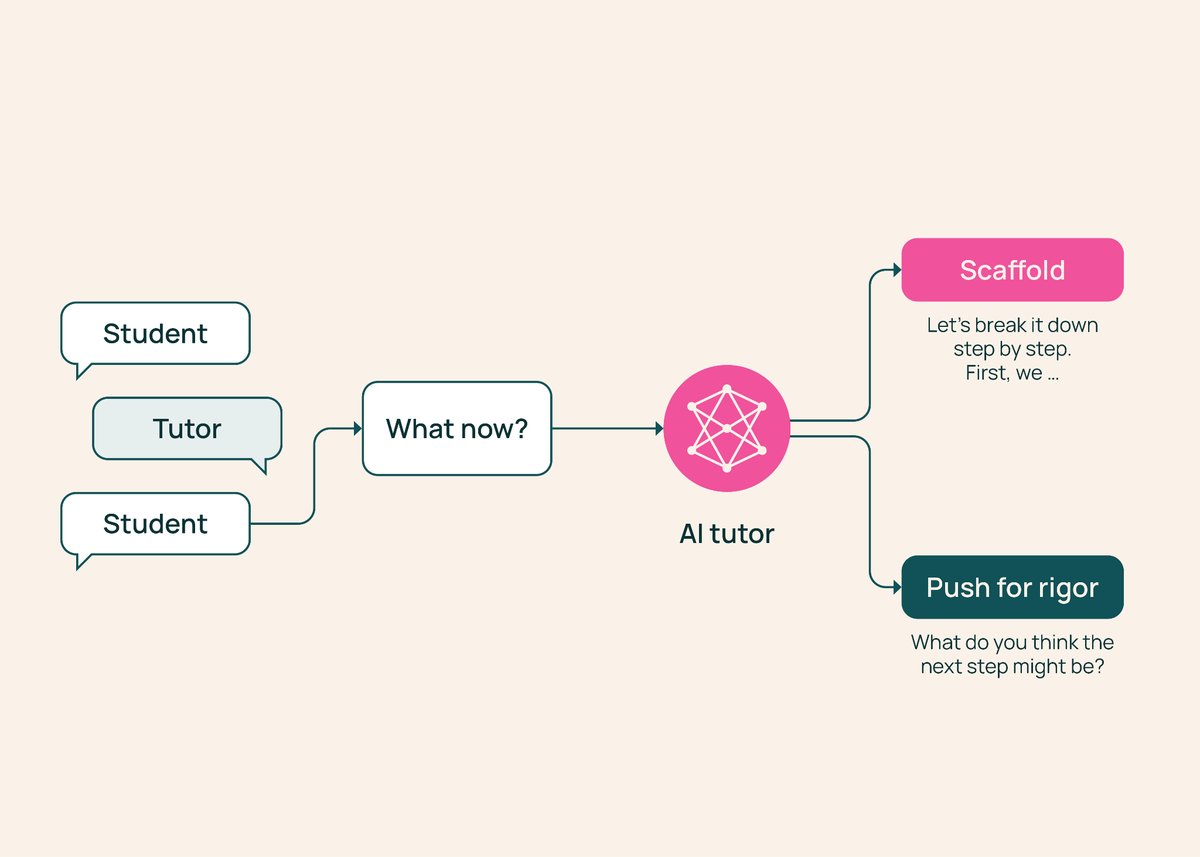
Useful tutoring depends on helping learners without taking over the practice they need. AllenAI published TutorMoments research examining whether AI tutors can recognize when to intervene and when to hold back.
Not scored - The publication reported no findings, benchmarks, or demonstrated classroom capability.